The Knight of the Rose (1925)

- Original title
- Der Rosenkavalier
- Directed by
- Robert Wiene
- Genre
- comedy film, silent film, musical film, romance film
- Country
- Austria
- Runtime
- 1h 28m
- Rating
- 7.0 of 10 from 4 voters
- Elsewhere
- IMDb
The catalogue in 3D
The film shelves have a room of their own that you can walk around in. The cat behind the counter is the AI Catbot, and they pick real films from the same catalogue when you tell them what you feel like watching. Nothing is for sale, here or in there. Go in from here and this film is already out on the counter, with more like it waiting on the shelf next to it.
How it feels
This silent film adapts a comic opera about a young countess and a boisterous nobleman who become entangled in a romantic mix-up. A field marshal's wife tries to navigate love and intrigue with the help of a clever servant. The story plays out in 18th century Vienna with mistaken identities and deception.
lightheartedelegantplayfulwhimsicallavishnostalgiccomedicmusical
What happens
Der Rosenkavalier is a 1926 Austrian silent film of the opera of the same name by Richard Strauss (music) and Hugo von Hofmannsthal (libretto). Directed by Robert Wiene, it premiered on 10 January 1926 at the Dresden Semperoper, which had also hosted the actual opera's premiere 15 years earlier. Hofmannsthal considerably changed the storyline for the film version (which included a final scene in the formal gardens behind the Field Marshal's residence) and Strauss' score included music not only from the opera but also sections of his Couperin Suite and a march for the Field Marshal, who appears in this version. The film was shot at the Schönbrunn Studios in Vienna. The music during the film's performances was provided by an orchestra. At the premiere, this was conducted by Richard Strauss himself. The film's projection speed had to be adjusted by the projector in order to fit the speed of the orchestra. This task fell to the film's cameraman, Hans Androschin, because only he knew the exact length of each scene and cut. In later performances, a special recording, also conducted by Strauss, provided the music. Strauss conducted the Vienna and London premieres (and recorded excerpts from the film score on the Victrola label at that time. A planned tour of the United States in 1927 by Strauss and his orchestra failed to go ahead because of the emergence of sound films. The American premiere took place at Yale University's Woolsey Hall with the Yale Symphony Orchestra conducted by John Mauceri (who received special permission from Strauss' son) on 29 March 1974. A copy of the film was found in the Czech National Archive and Mauceri translated the titles with Glenn Most into English. The final sequence was missing from the print and was performed with orchestral music and titles alone. The score and parts were held by the Library of Congress. The audience at Yale included the famed Strauss soprano Maria Jeritza, who was living in New Jersey at the time. (from Wikipedia, CC BY-SA)
More like this
 Boarding House Groonen (1925)
 A Waltz by Strauss (1925)
 Countess Maritza (1925)
 A Waltz Dream (1925)
 Her Highness Dances the Waltz (1926)
 Frauen aus der Wiener Vorstadt (1925)
 Hotel Potemkin (1924)
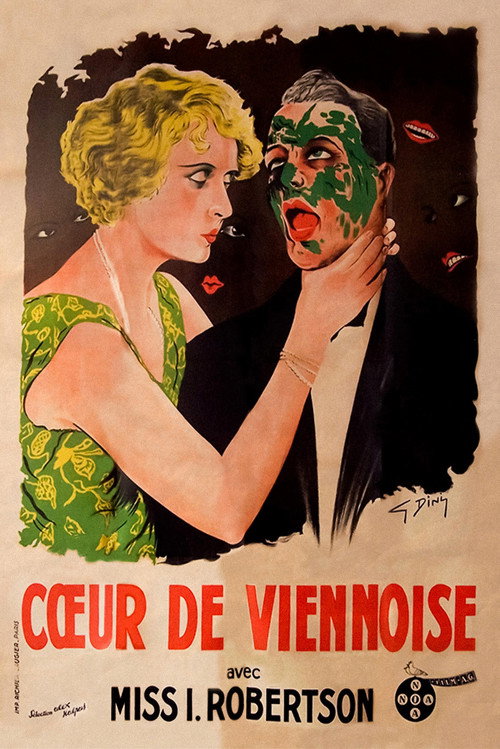 The Sweet Girl (1926)
- More like this film, on a shelf you can walk up to.It's the lit case on the top shelf.