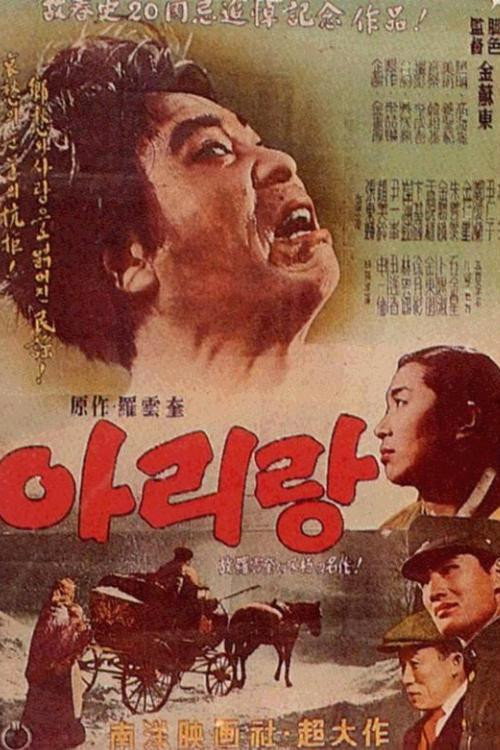
Arirang (1926)
- Original title
- 아리랑
- Directed by
- Na Woon-gyu
- Genre
- drama film, action film, silent film
- Country
- Empire of Japan
- Rating
- 9.0 of 10 from 1 voters
- Elsewhere
- IMDb

The catalogue in 3D
The film shelves have a room of their own that you can walk around in. The cat behind the counter is the AI Catbot, and they pick real films from the same catalogue when you tell them what you feel like watching. Nothing is for sale, here or in there. Go in from here and this film is already out on the counter, with more like it waiting on the shelf next to it.
How it feels
A Korean man struggles under Japanese colonial rule. The film follows his acts of resistance and the personal costs of standing against oppression.
poignantnationalisticresolutesomberslow-burnmelancholicdefiant
What happens
Arirang (Korean: 아리랑) is a 1926 Korean silent film directed by Na Woon-gyu, who is also one of the main cast. It is regarded as one of the most influential films in Korean cinema history, as well as the first Korean nationalist film and a critique of the Japanese rule of Korea. It is named after the traditional song "Arirang," which audiences were said to sing at the conclusion of the film. Arirang is considered a lost film, but a written record of the plot still exists. (from Wikipedia, CC BY-SA)
More like this
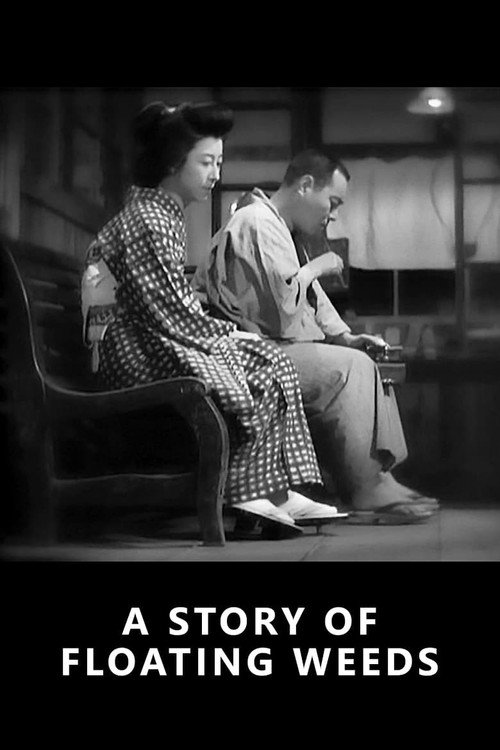 A Story of Floating Weeds (1934)
 Teru hi kumoru hi dainihen (1926)
 An Inn in Tokyo (1935)
 Turning Point of the Youngsters (1934)
 The Righteous Revenge (1919)
 Punguna (1926)
 The Girl I Loved (1946)
 The Tale of Chunhyang (1935)
- More like this film, on a shelf you can walk up to.It's the lit case on the top shelf.