Steamboat Bill Jr. (1928)

- Original title
- Steamboat Bill, Jr.
- Directed by
- Charles Reisner
- Genre
- drama film, silent film, action comedy film
- Country
- United States
- Runtime
- 1h 11m
- Rated
- NR
- Rating
- 7.6 of 10 from 397 voters
- Elsewhere
- IMDb

The catalogue in 3D
The film shelves have a room of their own that you can walk around in. The cat behind the counter is the AI Catbot, and they pick real films from the same catalogue when you tell them what you feel like watching. Nothing is for sale, here or in there. Go in from here and this film is already out on the counter, with more like it waiting on the shelf next to it.
How it feels
A young man reunites with his gruff steamboat captain father and tries to win his approval despite being a bookish dandy. He fumbles through slapstick situations and a storm while wooing a girlfriend. The film is best known for a precise stunt where a house facade falls around the actor.
comediclightheartedwhimsicalbreezyplayfulslapstickinventivenostalgic
What happens
Steamboat Bill, Jr. is a 1928 American silent comedy film starring Buster Keaton. Released by United Artists, the film is the final product of Keaton's independent production team and set of gag writers. Charles Reisner directed the film, and the credited story writer was Carl Harbaugh. The film, named after Arthur Collins's popular 1911 recording of the 1910 song "Steamboat Bill," also featured Ernest Torrence, Marion Byron, and Tom Lewis. The film is known for what may be Keaton's most famous and most imitated film stunt: the facade of a house falls around him while he stands in the precise location of an open window to avoid being flattened. The film was not a box-office success and became the last picture Keaton made for United Artists. Keaton ended up moving to Metro-Goldwyn-Mayer, where he made one last film in his trademark style, The Cameraman, and Spite Marriage, before his creative control was taken away by the studio. In 2016, the film was selected for preservation in the United States National Film Registry by the Library of Congress. The copyright of the film expired in 1956. (from Wikipedia, CC BY-SA)
More like this
 Cruise of the Jasper B (1926)
 Captain Careless (1928)
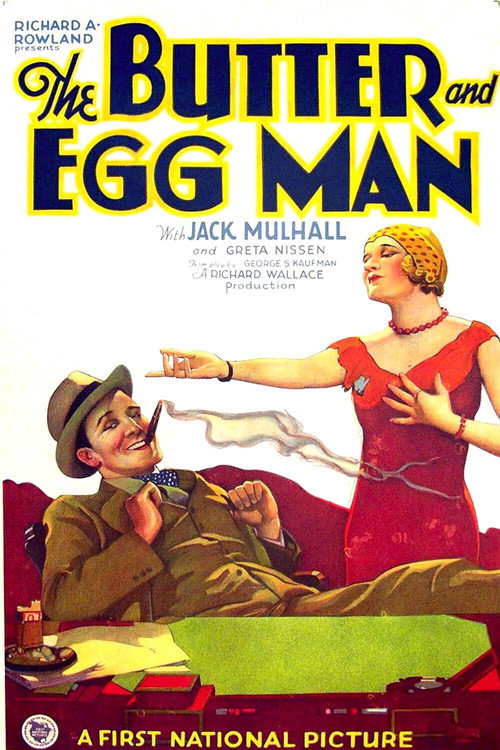 The Butter and Egg Man (1928)
 Dead Man's Curve (1928)
 Waterfront (1928)
 Fools for Luck (1928)
 A Trick of Hearts (1928)
 Why Sailors Go Wrong (1928)
- More like this film, on a shelf you can walk up to.It's the lit case on the top shelf.