Music for UNICEF Concert
- Country
- United States
- Runtime
- 1h 30m
- Elsewhere
- IMDb
The catalogue in 3D
The film shelves have a room of their own that you can walk around in. The cat behind the counter is the AI Catbot, and they pick real films from the same catalogue when you tell them what you feel like watching. Nothing is for sale, here or in there. Go in from here and this film is already out on the counter, with more like it waiting on the shelf next to it.
How it feels
A 1979 televised benefit concert at the United Nations General Assembly raises money for UNICEF and welcomes the International Year of the Child. The Bee Gees, ABBA, and other pop acts perform, with hosts David Frost, Gilda Radner, and Henry Winkler introducing the show. Each performer signs a parchment endorsing UNICEF's goals.
retrobriskearneststagednostalgiclightcelebratorymodest
What happens
The Music for UNICEF Concert: A Gift of Song was a benefit concert of popular music held in the United Nations General Assembly in New York City on January 9, 1979. It was intended to raise money for UNICEF world hunger programs and to mark the beginning of the International Year of the Child. The concert was videotaped and broadcast the following day on NBC in the U.S. and around the world. The moderator was David Frost, with Gilda Radner and Henry Winkler also introducing some of the performers. Henry Fonda made a short appearance. Each performer signed a large parchment declaring support for UNICEF's goals. The concert was the idea of impresario Robert Stigwood, the Bee Gees, and David Frost, who originally conceived it as an annual event. Not all of the performances were truly live, with ABBA lip-synching their new song "Chiquitita" and the Bee Gees lip-synching their song "Too Much Heaven". [1] It raised less than one million dollars at the time for UNICEF, although this figure did not include longer-term royalties from the songs and repeat performances.[2] (from Wikipedia, CC BY-SA)
More like this
 When Harvey Met Bob (2010)
 Concert for Kampuchea (1980)
 The Secret Policeman's Ball (1979)
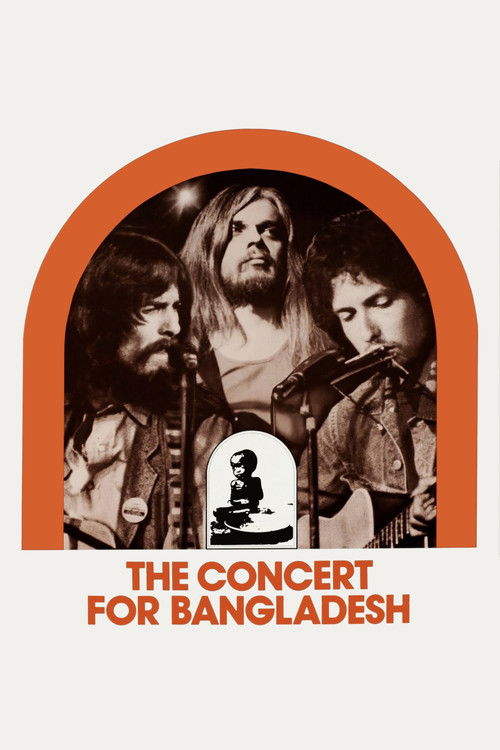 The Concert for Bangladesh (1972)
- 12-12-12: The Concert for Sandy Relief
 The Last Waltz (1978)
 No Nukes (1980)
 Olivia Newton-John: Hollywood Nights (1980)
- More like this film, on a shelf you can walk up to.It's the lit case on the top shelf.