The Man Who Laughs (1928)

- Directed by
- Paul Leni
- Genre
- drama film, silent film, horror film, romance film
- Country
- United States
- Runtime
- 1h 50m
- Rated
- 12
- Rating
- 7.3 of 10 from 225 voters
- Elsewhere
- IMDb

The catalogue in 3D
The film shelves have a room of their own that you can walk around in. The cat behind the counter is the AI Catbot, and they pick real films from the same catalogue when you tell them what you feel like watching. Nothing is for sale, here or in there. Go in from here and this film is already out on the counter, with more like it waiting on the shelf next to it.
How it feels
A young boy is disfigured into a permanent grin by a king's decree. He grows up to perform in a traveling show with a blind woman he loves. They face persecution from aristocrats and a dangerous attraction from a duchess.
melancholicgothicexpressionistslow-burnromantictragicmoodygrotesqueatmospheric
What happens
The Man Who Laughs is a 1928 American synchronized sound romantic drama film directed by the German Expressionist filmmaker Paul Leni. While the film has no audible dialog, it was released with a synchronized musical score with sound effects using both sound-on-disc and sound-on-film processes. The film is an adaptation of Victor Hugo's 1869 novel of the same name, and it stars Mary Philbin as the blind Dea and Conrad Veidt as Gwynplaine. The film is known for the grotesque grin on the character Gwynplaine's face, which often leads it to be classified as a horror film. Film critic Roger Ebert stated "The Man Who Laughs is a melodrama, at times even a swashbuckler, but so steeped in expressionist gloom that it plays like a horror film." The Man Who Laughs is a romantic melodrama similar to films such as The Hunchback of Notre Dame. The film was one of the earliest Universal Pictures films that made the transition from silent films to sound films using the Movietone sound system introduced by William Fox. The film was completed in August 1927 but was set for general release as a "sound" film in October 1928 with sound effects and a musical score which included the song "When Love Comes Stealing". The film entered the public domain in the United States in 2024. (from Wikipedia, CC BY-SA)
More like this
 West of Zanzibar (1928)
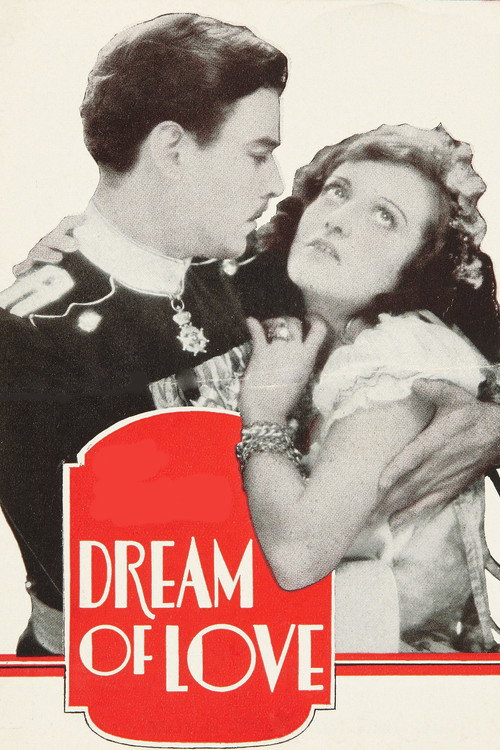 Dream of Love (1928)
 4 Devils (1928)
 The Red Mark (1928)
 The Tragedy of Youth (1928)
 The Crowd (1928)
 A Woman of Affairs (1928)
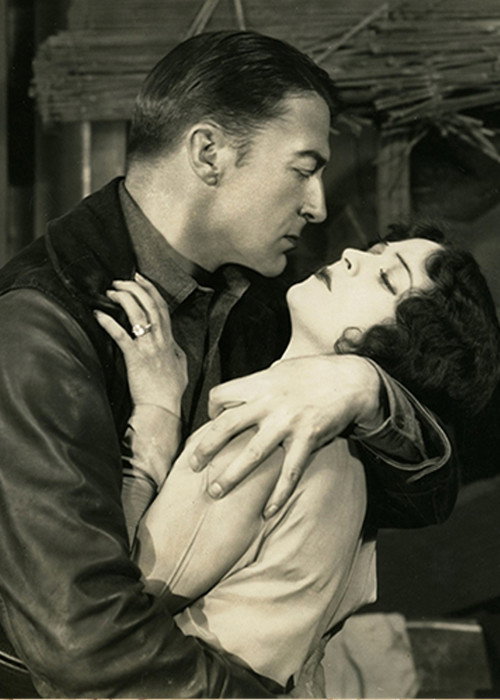 Midnight Madness (1928)
- More like this film, on a shelf you can walk up to.It's the lit case on the top shelf.