Tabu: A Story of the South Seas (1931)

- Directed by
- F. W. Murnau
- Genre
- drama film, silent film, romance film
- Country
- United States
- Runtime
- 1h 21m
- Rated
- NR
- Rating
- 7.1 of 10 from 184 voters
- Elsewhere
- IMDb

The catalogue in 3D
The film shelves have a room of their own that you can walk around in. The cat behind the counter is the AI Catbot, and they pick real films from the same catalogue when you tell them what you feel like watching. Nothing is for sale, here or in there. Go in from here and this film is already out on the counter, with more like it waiting on the shelf next to it.
How it feels
A young couple lives happily on a South Seas island until the woman is chosen as a sacred maiden. They flee to a colonial island where their simple life is disrupted by Western influences.
dreamlikeromantictragicpeacefulexoticsorrowfulslow-burnvisually lush
What happens
Tabu: A Story of the South Seas (pronounced [ˈtapu]) is a 1931 American synchronized sound film directed by F. W. Murnau. While the film has no audible dialog, it was released with a synchronized musical score with sound effects using the Western Electric Sound System sound-on-film process. A docufiction, it is split into two chapters: The first, called "Paradise", depicts the lives of two lovers on a South Seas island until they are forced to escape the island when the girl is chosen as a holy maid to the gods. The second chapter, "Paradise Lost", depicts the couple's life on a colonised island and how they adapt to and are exploited by Western civilisation. The title comes from the Polynesian concept of tapu (spelled tabu in Tongan before 1943), from which is derived the English word "taboo". The story was written by Robert J. Flaherty and Murnau; with the exception of the opening scene, the film was directed solely by Murnau. This was his last film; he died in a hospital after an automobile accident on March 11, 1931, a week before the film's premiere in New York City. Cinematographer Floyd Crosby won an Academy Award for Best Cinematography for his work. In 1994, Tabu: A Story of the South Seas was selected for preservation in the United States National Film Registry by the Library of Congress as being "culturally, historically, or aesthetically significant". (from Wikipedia, CC BY-SA)
More like this
 Aloha (1931)
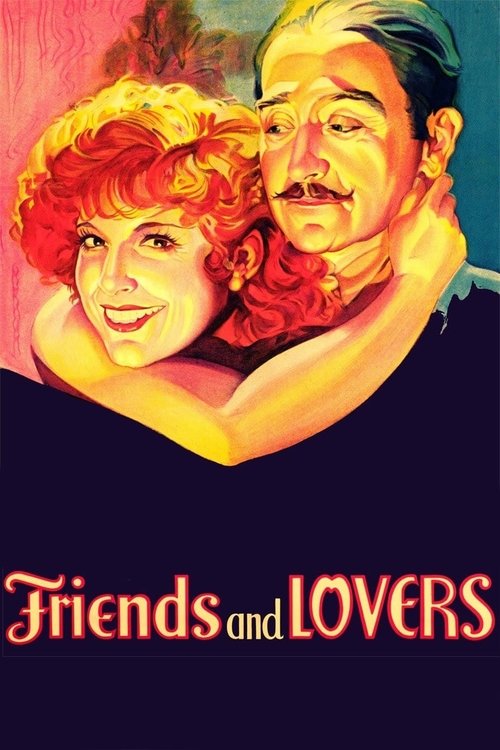 Friends and Lovers (1931)
 Daybreak (1931)
 Men Call It Love (1931)
 The Lotus Eater (1921)
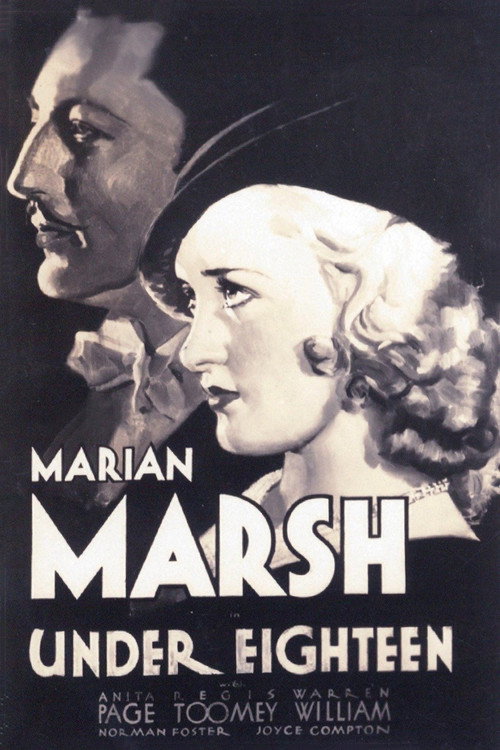 Under 18 (1931)
 Arizona (1931)
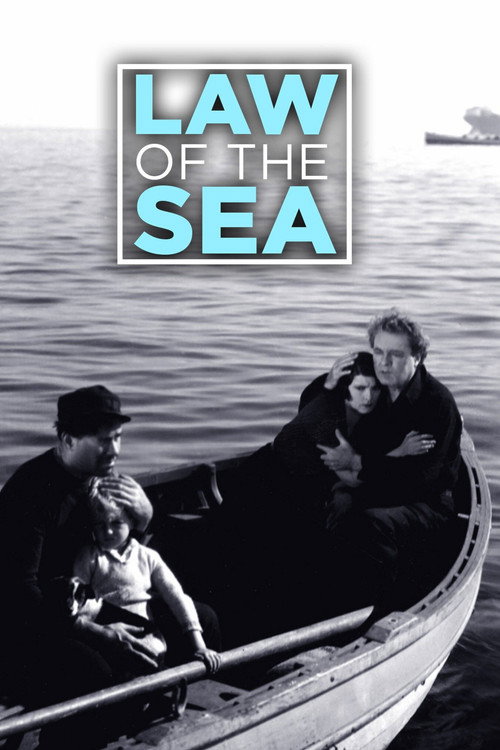 The Law of the Sea (1931)
- More like this film, on a shelf you can walk up to.It's the lit case on the top shelf.