Two Stars in the Milky Way (1931)

- Original title
- 銀漢雙星
- Directed by
- Shi Dongshan
- Genre
- romance film
- Country
- Republic of China
- Runtime
- 1h 28m
- Rating
- 6.5 of 10 from 2 voters
- Elsewhere
- IMDb
The catalogue in 3D
The film shelves have a room of their own that you can walk around in. The cat behind the counter is the AI Catbot, and they pick real films from the same catalogue when you tell them what you feel like watching. Nothing is for sale, here or in there. Go in from here and this film is already out on the counter, with more like it waiting on the shelf next to it.
How it feels
A country girl is discovered by a film company and becomes a star through a Cantonese opera. She falls in love with her co-star, but he ends the romance because of his family duties.
romanticmelodramaticbittersweetold-fashionedmusicalnostalgicgroundedpoignant
What happens
Two Stars in the Milky Way (simplified Chinese: 银汉双星; traditional Chinese: 銀漢雙星; pinyin: Yínhàn Shuāngxīng), also translated Two Stars on the Silver Screen and known as An Actor and an Actress, is a 1931 film directed by Shi Dongshan for the United Photoplay Service (UPS). Based on the eponymous novel by Zhang Henshui, it stars Violet Wong as a country girl who, after being discovered by the Milky Way Film Company, rises to stardom through a Cantonese opera. She begins a romance with her co-star, portrayed by Jin Yan, who pushes her aside after being reminded of his filial obligations. The first sound film produced by UPS, Two Stars in the Milky Way featured extensive scenes of music and dance, with dialogue presented through intertitles and songs recorded to a separate medium. The screenplay, adapted by Zhu Shilin, featured several departures from the novel in its setting and plot. It also featured elements of metafilm, presenting a self-reflexive take on the filmmaking process as well as cameos by UPS's crew and talent. After six months of production and an extensive advertising campaign, the film premiered on 13 December 1931. It is one of few surviving works of early Chinese cinema, though its soundtrack has been lost. (from Wikipedia, CC BY-SA)
More like this
 An Amorous History of the Silver Screen (1931)
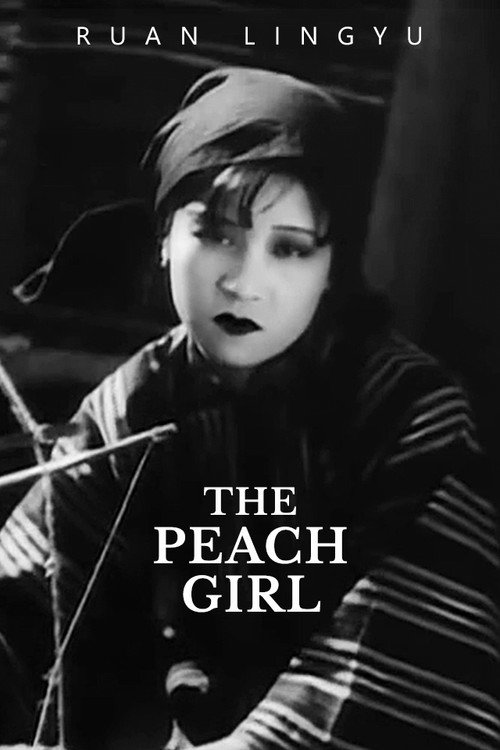 The Peach Girl (1931)
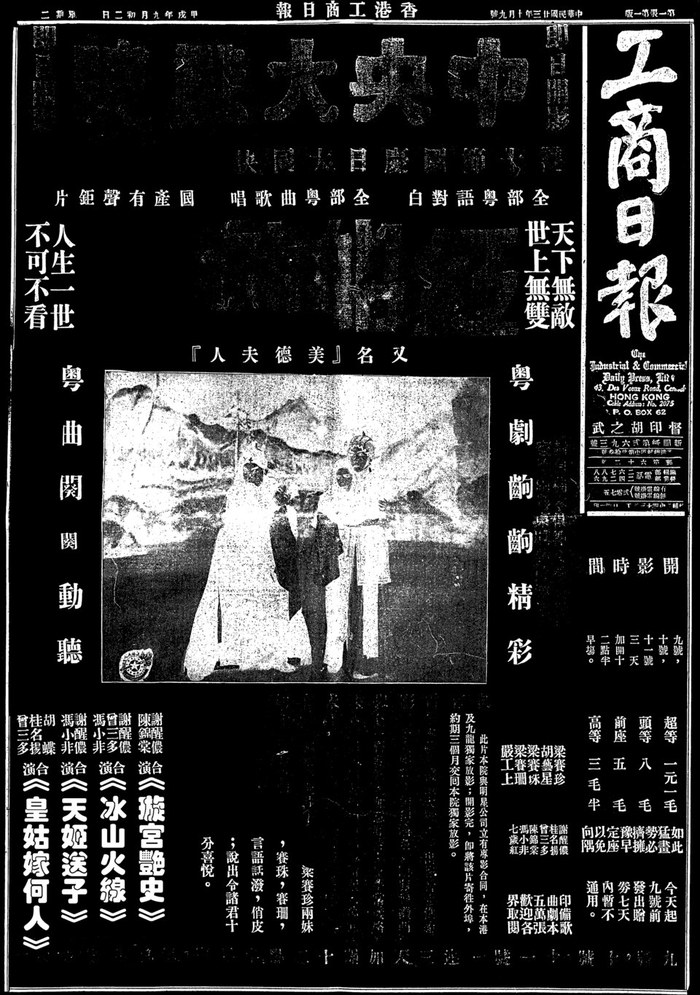 紅船外史 (1934)
 Wild Flower (1930)
 A Spray of Plum Blossoms (1931)
 Romance of the Western Chamber (1927)
 Three Modern Women (1932)
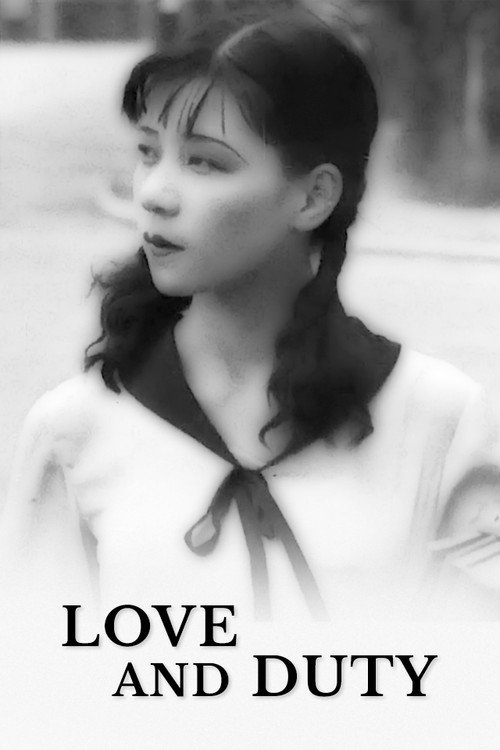 Love and Duty (1931)
- More like this film, on a shelf you can walk up to.It's the lit case on the top shelf.