The Power and the Glory (1933)

- Directed by
- William K. Howard
- Genre
- drama film
- Country
- United States
- Runtime
- 1h 16m
- Rating
- 5.9 of 10 from 17 voters
- Elsewhere
- IMDb

The catalogue in 3D
The film shelves have a room of their own that you can walk around in. The cat behind the counter is the AI Catbot, and they pick real films from the same catalogue when you tell them what you feel like watching. Nothing is for sale, here or in there. Go in from here and this film is already out on the counter, with more like it waiting on the shelf next to it.
How it feels
A man reflects on the life of a wealthy railroad tycoon who rose from humble beginnings. The story is told through flashbacks that show his rise to power and the personal costs that came with it.
melancholicreflectiveslow-burnbleaktragicretrospectivesobering
What happens
The Power and the Glory is a 1933 pre-Code film starring Spencer Tracy and Colleen Moore, written by Preston Sturges, and directed by William K. Howard. The picture's screenplay was Sturges' first script, which he delivered complete in the form of a finished shooting script, for which he received $17,500 ($435,300 today) and a percentage of the profits. Profit-sharing arrangements, now a common practice in Hollywood, were then unusual and gained Sturges much attention. The film, told through flashbacks, was cited by Pauline Kael in her controversial essay "Raising Kane", as a prototype for the narrative structure of Citizen Kane (1941). (Screenwriter Herman J. Mankiewicz, who along with Orson Welles won an Oscar for the screenplay of Citizen Kane, was a friend of Sturges.) The Power and the Glory was loosely based by Sturges on the life of C. W. Post, his second wife's grandfather, who founded the Postum Cereal Company, which later became General Foods. Like Tom Garner, the lead character of the film, Post worked his way up from the bottom, and ended his own life. Otherwise, according to Sturges, their lives did not correspond. In 2014, The Power and the Glory was deemed "culturally, historically, or aesthetically significant" by the Library of Congress and selected for preservation in the National Film Registry. The film's copyright was renewed. The film is unrelated to the 1940 novel of the same title by Graham Greene. (from Wikipedia, CC BY-SA)
More like this
 Laughing at Life (1933)
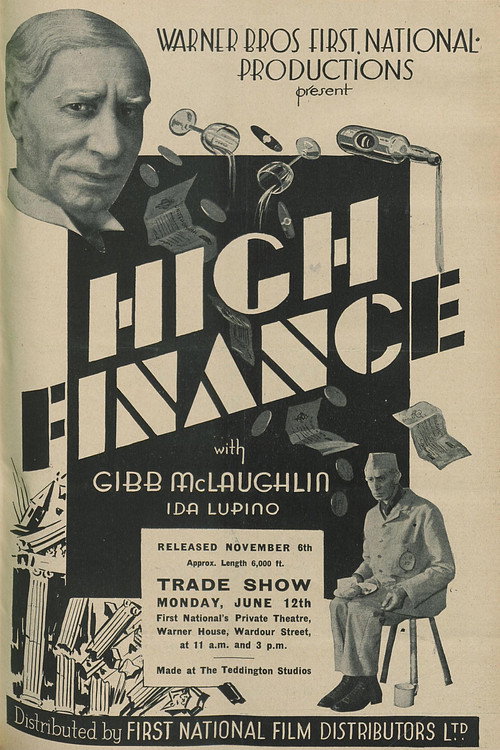 High Finance (1933)
 Broken Dreams (1933)
 One Year Later (1933)
 Racetrack (1933)
 The Avenger (1933)
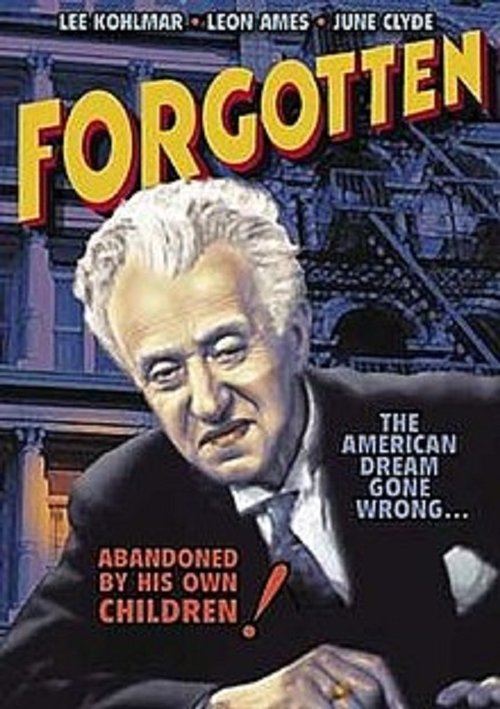 Forgotten (1933)
 Sweepings (1933)
- More like this film, on a shelf you can walk up to.It's the lit case on the top shelf.