Only Yesterday (1933)

- Directed by
- John M. Stahl
- Genre
- drama film
- Country
- United States
- Runtime
- 1h 45m
- Rated
- NR
- Rating
- 7.1 of 10 from 7 voters
- Elsewhere
- IMDb

The catalogue in 3D
The film shelves have a room of their own that you can walk around in. The cat behind the counter is the AI Catbot, and they pick real films from the same catalogue when you tell them what you feel like watching. Nothing is for sale, here or in there. Go in from here and this film is already out on the counter, with more like it waiting on the shelf next to it.
How it feels
A young woman becomes pregnant by her boyfriend just before he leaves to fight in World War I. She raises their child alone over the years after he goes to war.
melancholicromantictragicsentimentalperiodemotionalsadbittersweet
What happens
Only Yesterday is a 1933 American pre-Code melodrama film, directed by John M. Stahl, about a young woman who becomes pregnant by her boyfriend before he rushes off to fight in World War I. It stars Margaret Sullavan (in her film debut) and John Boles. According to the on-screen credit, the film's story line was "suggested" by the 1931 nonfiction bestseller Only Yesterday by Frederick Lewis Allen, who had sold Universal the rights to his book. The film is set in a time frame close to that of Allen's book but otherwise bears no resemblance to it, and the film's title may simply have been an attempt to capitalize on the book's fame at the time of the film's release. The plot of the film appears to be based closely on Letter from an Unknown Woman (Briefe einer Unbekannten) by Stefan Zweig, published first in 1922 and in English translation a decade later. According to the New York Times, some moviegoers contacted Zweig's publisher, Viking Press, noting similarities between the film and his book. The Times reported that "These similarities were bought and paid for by Universal Pictures", which moved the story to the United States, "altered the story greatly, and made no mention of Zweig's name in the film". The studio also paid "a large sum" for the right to use the title of Allen's book. (from Wikipedia, CC BY-SA)
More like this
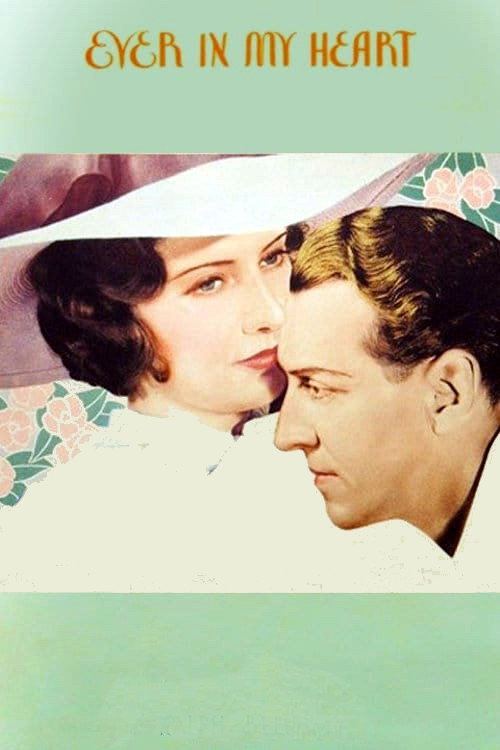 Ever in My Heart (1933)
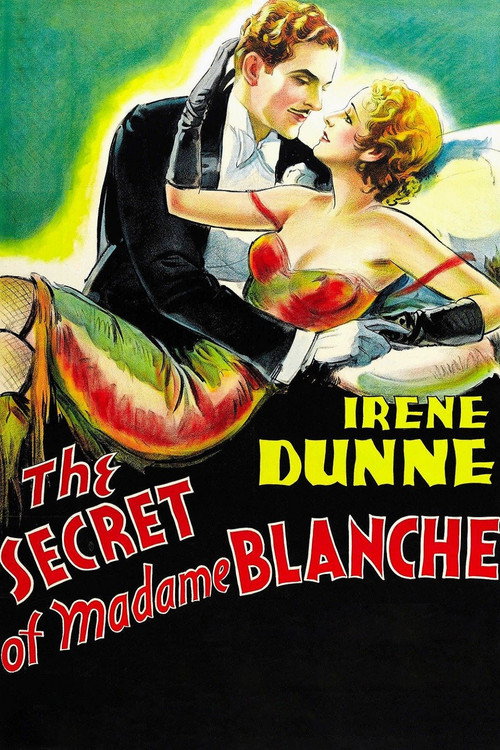 The Secret of Madame Blanche (1933)
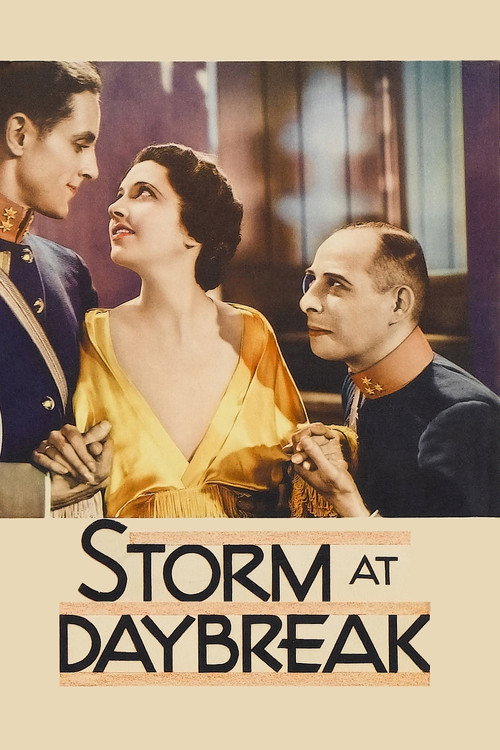 Storm at Daybreak (1933)
 Chance at Heaven (1933)
 Mary Stevens (1933)
 All Men Are Enemies (1934)
 Pilgrimage (1933)
 Gallant Lady (1933)
- More like this film, on a shelf you can walk up to.It's the lit case on the top shelf.