The Thin Man (1934)

- Directed by
- Lesley Selander, W. S. Van Dyke
- Genre
- drama film, comedy film, mystery film, crime film, comedy thriller
- Country
- United States
- Runtime
- 1h 31m
- Rated
- NR
- Rating
- 7.5 of 10 from 542 voters
- Elsewhere
- IMDb

The catalogue in 3D
The film shelves have a room of their own that you can walk around in. The cat behind the counter is the AI Catbot, and they pick real films from the same catalogue when you tell them what you feel like watching. Nothing is for sale, here or in there. Go in from here and this film is already out on the counter, with more like it waiting on the shelf next to it.
How it feels
A retired detective and his wealthy wife solve a mystery together. They trade sharp jokes while drinking and looking for a missing inventor.
wittylightheartedcharmingbreezyplayfulsophisticatedeasygoing
What happens
The Thin Man is a 1934 American pre-Code comedy-mystery film directed by W. S. Van Dyke and based on the 1934 novel by Dashiell Hammett. The film stars William Powell and Myrna Loy as Nick and Nora Charles, a leisure-class couple who enjoy copious drinking and flirtatious banter. Nick is a retired private detective who left his very successful career when he married Nora, a wealthy heiress accustomed to high society. Their wire-haired fox terrier Asta was played by canine actor Skippy. The film's screenplay was written by Albert Hackett and Frances Goodrich, a married couple. In 1934, the film was nominated for the Academy Award for Best Picture. The eponymous "Thin Man" is not Nick Charles, but the man Charles is initially hired to find – Clyde Wynant. In the original novel Charles is described as being overweight and out of shape while Charles describes Wynant as a "thin man with white hair". The trim William Powell was cast for the films, leading many viewers to believe it referred to Nick Charles and, it was subsequently used in the titles of sequels as if referring to Charles. It was followed by five sequels. In 1997, it was named to the United States National Film Registry by the Library of Congress having been deemed "culturally, historically, or aesthetically significant". (from Wikipedia, CC BY-SA)
More like this
 Midnight Alibi (1934)
 Fifteen Wives (1934)
 The Firebird (1934)
 The Dragon Murder Case (1934)
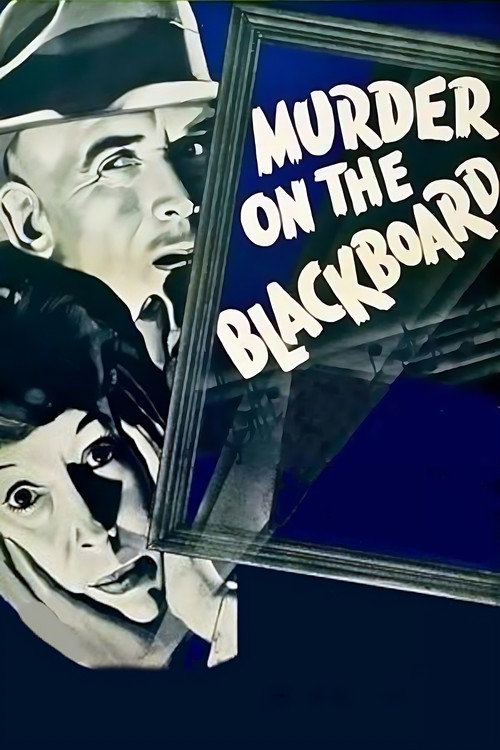 Murder on the Blackboard (1934)
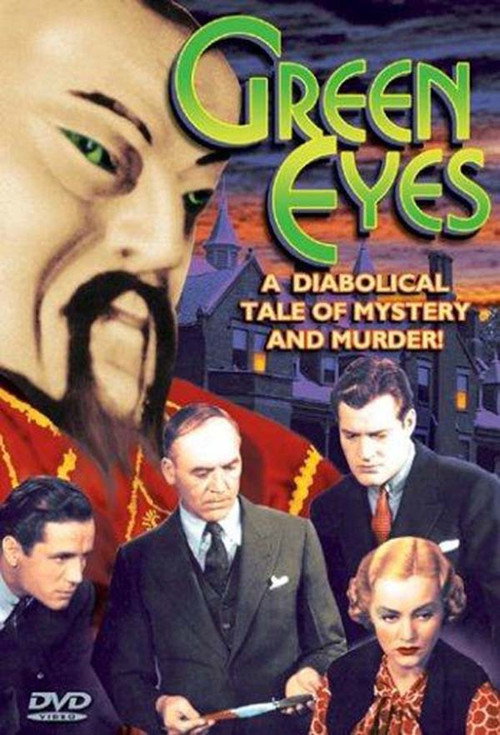 Green Eyes (1934)
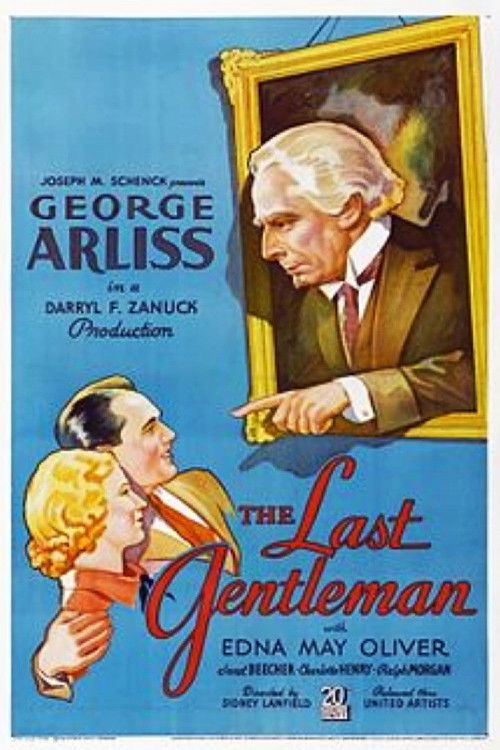 The Last Gentleman (1934)
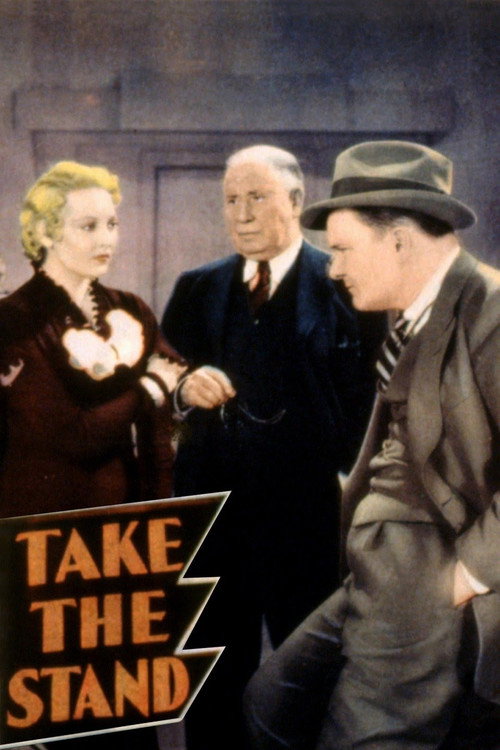 Take the Stand (1934)
- More like this film, on a shelf you can walk up to.It's the lit case on the top shelf.