La vuelta al nido (1938)

- Directed by
- Leopoldo Torres Ríos
- Genre
- psychological drama film
- Country
- Argentina
- Runtime
- 1h 17m
- Rating
- 5.9 of 10 from 7 voters
- Elsewhere
- IMDb

The catalogue in 3D
The film shelves have a room of their own that you can walk around in. The cat behind the counter is the AI Catbot, and they pick real films from the same catalogue when you tell them what you feel like watching. Nothing is for sale, here or in there. Go in from here and this film is already out on the counter, with more like it waiting on the shelf next to it.
How it feels
The film focuses on the inner lives of its characters rather than action or dialogue. It tells the story of people dealing with their personal struggles and relationships in a quiet, psychological way.
slow-burnintimatepsychologicalmelancholicpoeticunderstatedcontemplativesomber
What happens
La vuelta al nido (English: Return to the Nest) is a 1938 Argentine psychological drama film written and directed by Leopoldo Torres Ríos and starring José Gola and Amelia Bence. It was the first major work of Torres Ríos and the first production of Estudios E.F.A. (Establecimientos Filmadores Argentinos), founded by producers Adolfo Z. Wilson and Julio Joly in partnership with exhibitor Clemente Lococo. However, the film remained shelved for nine months due to rejection by exhibitors and critics who deemed it "uncommercial," and E.F.A. even released Adiós Buenos Aires—also directed by Torres Ríos and filmed later—before La vuelta al nido. Unlike the more commercially successful films that dominated the early years of the Golden Age of Argentine cinema, La vuelta al nido was distinguished by its poetic and intimate style, focusing on the psychology of its characters over action or dialogue. After several months of difficulties and debates about its commercial value, the film finally premiered on 4 May 1938 at the Cine Monumental in Buenos Aires. It was a resounding commercial and critical failure due to its slow pace, with the notable exception of the influential critic Calki of El Mundo, whose backing proved fundamental to the film's eventual release and who devoted several columns to praising it as the inauguration of a new style within Argentine cinema. Torres Ríos was accused of "dirtying the celluloid" and took the failure very badly; the blow affected his reputation for a couple of years, and the films he made in the following period were markedly commercial in style. The film began to be reassessed in the 1950s and 1960s, championed by the young critics of the Cine Club Núcleo and the journal Tiempo de Cine, who recognized it as a precursor of the cinema of the so-called "generation of the '60s". Today it is recognized as a classic of Argentine cinema, the masterpiece of Torres Ríos, and a film ahead of its time, with an experimental style that anticipates auteur cinema and cinematic modernity. It has been considered one of the greatest Argentine films of all time on several occasions. (from Wikipedia, CC BY-SA)
More like this
 With Broken Wings (1938)
 El último encuentro (1938)
 Nace un amor (1938)
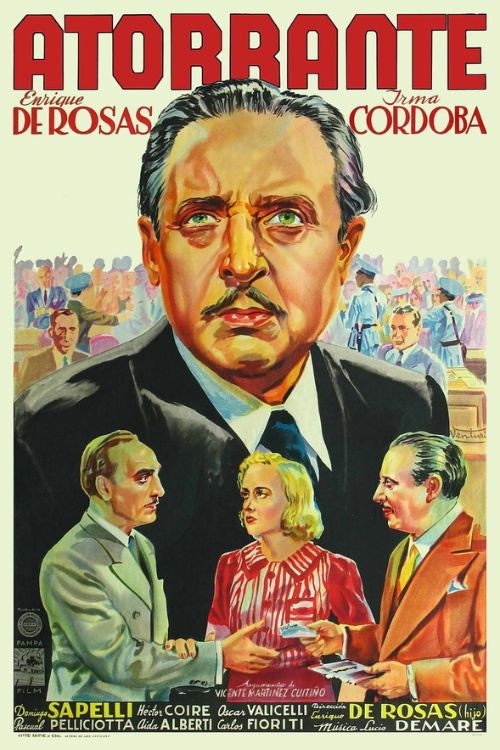 Atorrante (1939)
 The Omission (2018)
 El hombre que nació dos veces (1938)
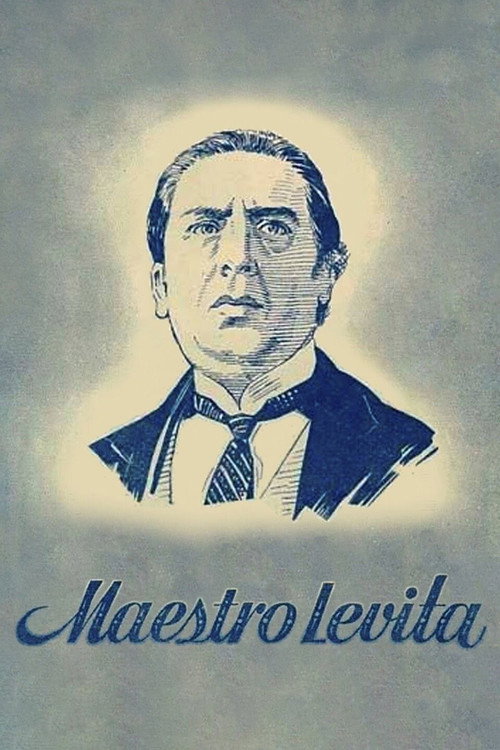 Maestro Levita (1938)
 The Scourge (2018)
- More like this film, on a shelf you can walk up to.It's the lit case on the top shelf.