The Fourth Estate: A Film of a British Newspaper (1940)

- Directed by
- Paul Rotha
- Genre
- documentary film
- Country
- United Kingdom
- Elsewhere
- IMDb
The catalogue in 3D
The film shelves have a room of their own that you can walk around in. The cat behind the counter is the AI Catbot, and they pick real films from the same catalogue when you tell them what you feel like watching. Nothing is for sale, here or in there. Go in from here and this film is already out on the counter, with more like it waiting on the shelf next to it.
How it feels
A documentary about how a major British newspaper is put together. It follows the work of preparing a single day's edition, showing the process from start to finish. The film is a straightforward look at newspaper production in London before World War Two.
informativeobservationalmatter-of-factdetailedneutral-tonedstraightforwardunhurriedunpretentious
What happens
The Fourth Estate: A Film of a British Newspaper is a 1940 documentary film directed by Paul Rotha. The film was sponsored by the owners of The Times, and depicts the preparation and production of a day's edition of the newspaper. The film is notable for the fact that it went unreleased (apart from a small number of private screenings for the sponsor and critics). The Second World War broke out while it was in production, and the explanation for The Fourth Estate having been buried most commonly given by historians of the Documentary Movement is that following the film's completion, the Ministry of Information were reluctant to sanction its release on the grounds that it depicted life in peacetime London, which would no longer be accepted by viewers as realistic. However, Rotha himself claimed that the film's sponsor was reluctant to release The Fourth Estate in the belief that it implicitly criticised The Times from a leftist perspective, portraying it as the mouthpiece of the establishment. Another point of interest is that Carl Mayer, the Jewish and prominent Weimar screenwriter, who by this time was living in Britain as an exile from the Nazis, acted as a 'scenario consultant' to the film. In 2012, the first public screening of the full film was at the University of Leeds using film print from the archive of the British Film Institute (BFI). (from Wikipedia, CC BY-SA)
More like this
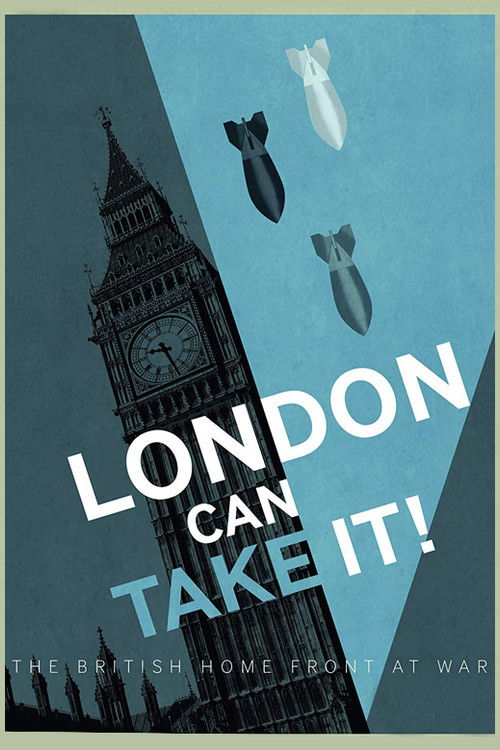 London Can Take It! (1940)
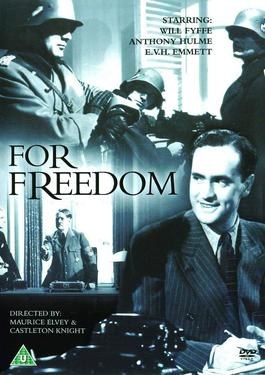 For Freedom (1940)
 Film and Reality (1942)
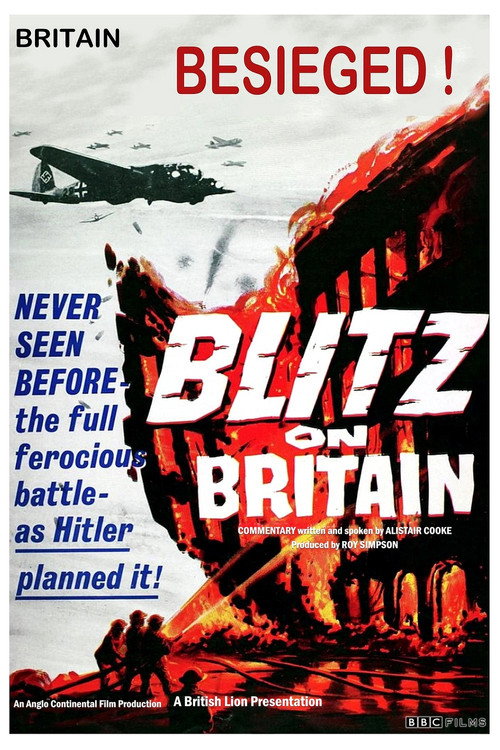 Blitz on Britain (1960)
 A Letter from Home (1941)
 Welfare of the Workers (1940)
 Spring Offensive (1940)
 Listen to Britain (1942)
- More like this film, on a shelf you can walk up to.It's the lit case on the top shelf.