Casablanca (1942)

- Directed by
- Michael Curtiz
- Written by
- Howard Koch, Casey Robinson, Julius J. Epstein, Philip G. Epstein
- Cast
- Humphrey Bogart, Ingrid Bergman, Paul Henreid, Claude Rains, Conrad Veidt, Sydney Greenstreet, Peter Lorre, S. Z. Sakall
- Genre
- drama film, film noir, war film, romance film, flashback film
- Country
- United States
- Runtime
- 1h 42m
- Rated
- PG
- Rating
- 8.1 of 10 from 6,103 voters
- Elsewhere
- IMDb

The catalogue in 3D
The film shelves have a room of their own that you can walk around in. The cat behind the counter is the AI Catbot, and they pick real films from the same catalogue when you tell them what you feel like watching. Nothing is for sale, here or in there. Go in from here and this film is already out on the counter, with more like it waiting on the shelf next to it.
How it feels
During World War II, an American nightclub owner in Casablanca reconnects with a former lover. He must decide whether to help her and her husband, a resistance leader, escape from the Nazis.
romantictensenostalgicmelancholicdramaticbittersweetslow-burnstirring
What happens
Casablanca is a 1942 American romantic drama film directed by Michael Curtiz and starring Humphrey Bogart, Ingrid Bergman, and Paul Henreid. Filmed and set during World War II, it focuses on an American expatriate (Bogart) who must choose between his love for a woman (Bergman) and helping her husband (Henreid), a Czechoslovak resistance leader, escape from the Vichy-controlled city of Casablanca to continue his fight against the Nazis. The screenplay is based on Everybody Comes to Rick's, an unproduced stage play by Murray Burnett and Joan Alison. The supporting cast features Claude Rains, Conrad Veidt, Sydney Greenstreet, Peter Lorre, and Dooley Wilson. Warner Bros. story editor Irene Diamond convinced producer Hal B. Wallis to purchase the film rights to the play in January 1942. Brothers Julius and Philip G. Epstein were initially assigned to write the script. However, despite studio resistance, they left to work on Frank Capra's Why We Fight series early in 1942. Howard Koch was assigned to the screenplay until the Epsteins returned a month later. Principal photography began on May 25, 1942, ending on August 3; the film was shot entirely at Warner Bros. Studios in Burbank, California, with the exception of one sequence at Van Nuys Airport in Los Angeles. Although Casablanca was an A-list film with established stars and first-rate writers, no one involved with its production expected it to stand out among the many pictures produced by Hollywood yearly. Casablanca was rushed into release to take advantage of the publicity from the Allied invasion of North Africa a few weeks earlier. It had its world premiere on November 26, 1942, in New York City and was released nationally in the United States on January 23, 1943. The film was a solid, if unspectacular, success in its initial run. Exceeding expectations, Casablanca went on to win the Academy Award for Best Picture, while Curtiz was selected as Best Director and the Epsteins and Koch were honored for Best Adapted Screenplay. Its reputation has gradually grown, to the point that its lead characters, memorable lines, and pervasive theme song have all become iconic, and it consistently ranks near the top of lists of the greatest films in history. In the inaugural class of 1989, the United States Library of Congress selected the film as one of the first for preservation in the National Film Registry for being "culturally, historically, or aesthetically significant". The film's copyright was renewed in 1970; it will enter the public domain in the US and countries with the rule of the shorter term on January 1, 2038. Roger Ebert wrote: "If there is ever a time when they decide that some movies should be spelled with an upper-case M, Casablanca should be voted first on the list of Movies." (from Wikipedia, CC BY-SA)
More like this
 Reunion in France (1942)
 This Gun for Hire (1942)
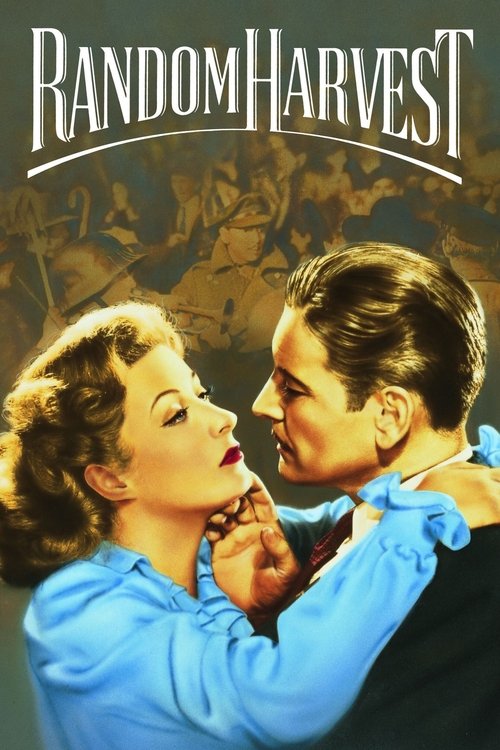 Random Harvest (1942)
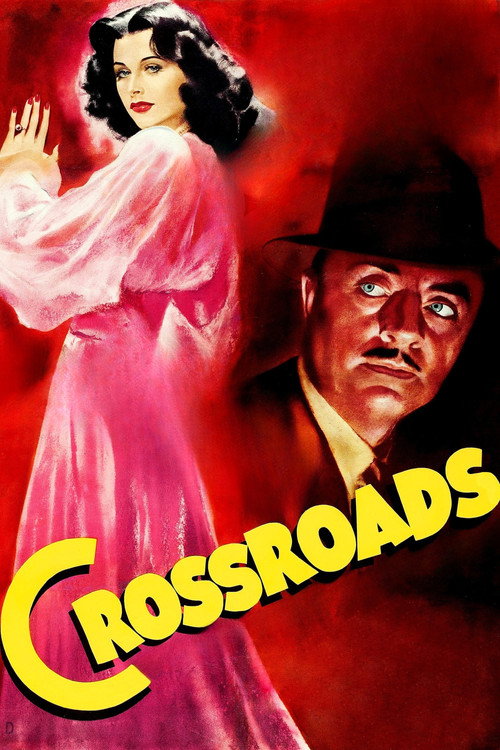 Crossroads (1942)
 Kings Row (1942)
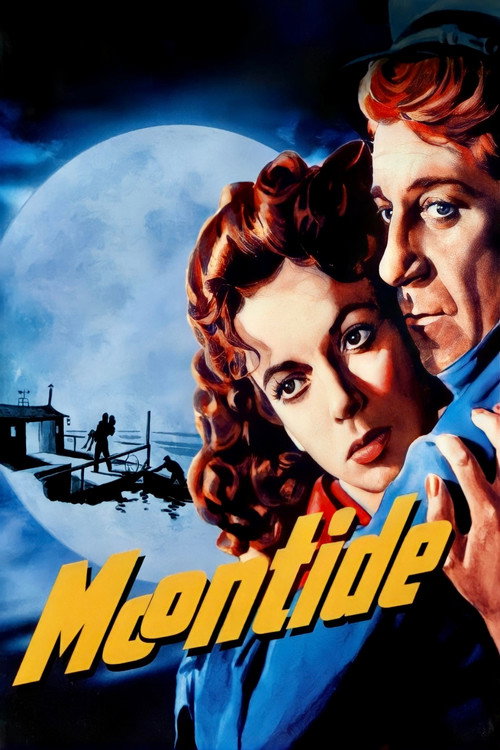 Moontide (1942)
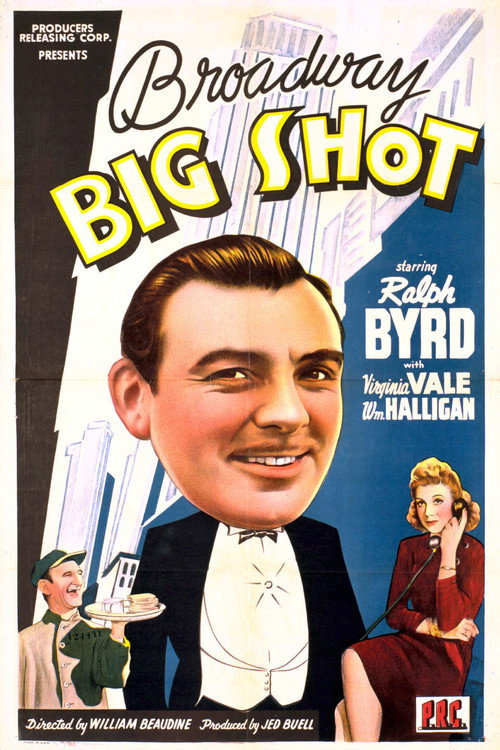 Broadway Big Shot (1942)
 Now, Voyager (1942)
- More like this film, on a shelf you can walk up to.It's the lit case on the top shelf.