The Pride of the Yankees (1942)

- Directed by
- Sam Wood
- Genre
- drama film, biographical film
- Country
- United States
- Runtime
- 2h 08m
- Rated
- NR
- Rating
- 7.4 of 10 from 144 voters
- Elsewhere
- IMDb

The catalogue in 3D
The film shelves have a room of their own that you can walk around in. The cat behind the counter is the AI Catbot, and they pick real films from the same catalogue when you tell them what you feel like watching. Nothing is for sale, here or in there. Go in from here and this film is already out on the counter, with more like it waiting on the shelf next to it.
How it feels
This film tells the story of baseball player Lou Gehrig, focusing on his relationships with his mother, his friends, and the woman he married. It shows his rise to fame and his battle with a fatal illness.
inspirationalheartfeltpoignantdignifiedsentimentalwarmmelancholicreverent
What happens
The Pride of the Yankees is a 1942 American sports drama film produced by Samuel Goldwyn, directed by Sam Wood, and starring Gary Cooper, Teresa Wright, and Walter Brennan. It is a tribute to the legendary New York Yankees first baseman Lou Gehrig, who died a year before its release, at age 37, from amyotrophic lateral sclerosis (ALS), which later became known to the lay public as "Lou Gehrig's disease". Though subtitled The Life of Lou Gehrig, the film is less a sports biography than an homage to a heroic and widely loved sports figure whose tragic and premature death touched the entire nation. It emphasizes Gehrig's relationship with his parents (particularly his strong-willed mother), his friendships with players and journalists, and his storybook romance with the woman who became his "companion for life", Eleanor Twitchell. Details of his baseball career—which were still fresh in most fans' minds in 1942—are limited to montages of ballparks, pennants, and Cooper swinging bats and running bases, though Gehrig's best-known major league record—2,130 consecutive games played—is prominently cited. Yankee teammates Babe Ruth, Bob Meusel, Mark Koenig, and Bill Dickey play themselves, as does sportscaster Bill Stern. The film was adapted by Herman J. Mankiewicz, Jo Swerling, and an uncredited Casey Robinson from a story by Paul Gallico, and received 11 Oscar nominations. It ends with a re-enactment of Gehrig's poignant 1939 farewell speech at Yankee Stadium. The film's iconic closing line—"Today, I consider myself the luckiest man on the face of the Earth"—was voted 38th on the American Film Institute's list of 100 greatest movie quotes. The film was also ranked 22nd on AFI's list of most inspiring movies. In 2024, the film was selected for preservation in the United States National Film Registry by the Library of Congress as being "culturally, historically, or aesthetically significant". (from Wikipedia, CC BY-SA)
More like this
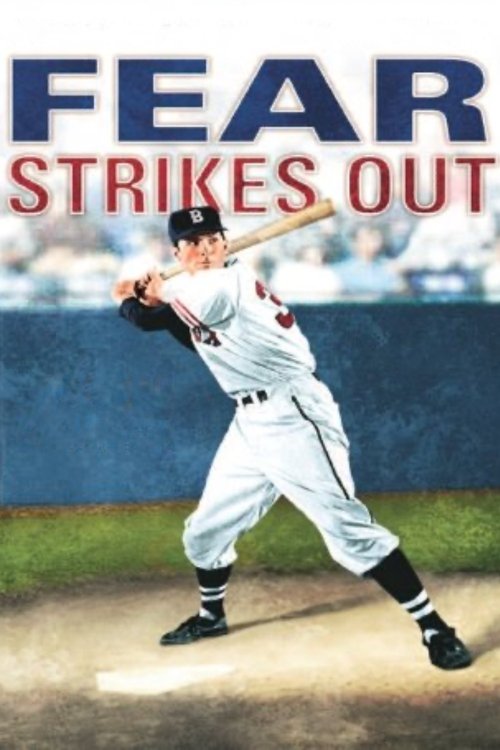 Fear Strikes Out (1957)
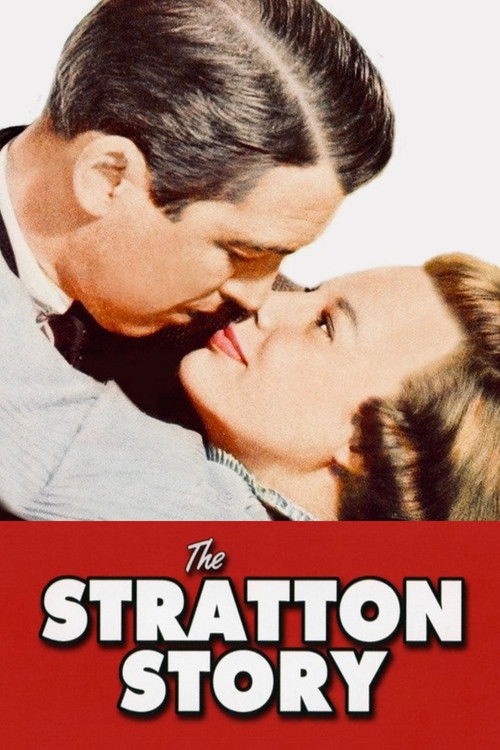 The Stratton Story (1950)
 The Spirit of Stanford (1942)
 The Winning Team (1952)
 Dr. Kildare's Victory (1942)
 Not a Ladies' Man (1942)
 Flashing Spikes (1962)
 It Happened in Flatbush (1942)
- More like this film, on a shelf you can walk up to.It's the lit case on the top shelf.