Hawai Mare oki kaisen (1942)

- Original title
- ハワイ・マレー沖海戦
- Directed by
- Motoyoshi Oda, Kajirō Yamamoto
- Genre
- war film
- Country
- Japan
- Runtime
- 1h 56m
- Rating
- 7.0 of 10 from 2 voters
- Elsewhere
- IMDb
The catalogue in 3D
The film shelves have a room of their own that you can walk around in. The cat behind the counter is the AI Catbot, and they pick real films from the same catalogue when you tell them what you feel like watching. Nothing is for sale, here or in there. Go in from here and this film is already out on the counter, with more like it waiting on the shelf next to it.
How it feels
This is a 1942 Japanese war film that portrays the attack on Pearl Harbor and subsequent naval battles. It was made with support from the Navy Ministry to boost public morale during World War II.
propagandisticpatrioticvisually ambitioustriumphantfast-pacedspectacularnationalistichistorical
What happens
The War at Sea from Hawaii to Malaya is a 1942 Japanese epic war film directed by Kajiro Yamamoto, with special effects by Eiji Tsuburaya. Produced by Toho and distributed by Film Distribution Corporation, the film is propaganda produced with support from the Navy Ministry that was intended to influence the Japanese public into believing they could prevail in the Pacific War. The military reportedly converted the idea of a documentary film on the attack on Pearl Harbor that featured special effects since it was difficult to record footage of the attack. Prior to the attack and Japan's subsequent entry into World War II, an Imperial Japanese Navy official met Tsuburaya and requested the production of a film about the attack as soon as possible when the war broke out. Production took place from May to November 1942, on a record breaking budget of ¥770,000. The War at Sea from Hawaii to Malaya was released on December 3, 1942, to critical acclaim. The film won Kinema Junpo's Best Picture Award and Tsuburaya received an award for his special effects. Reportedly viewed by 100 million people in Japan and its occupied territories, it became the highest-grossing film in the history of Japanese cinema upon its distribution. (from Wikipedia, CC BY-SA)
More like this
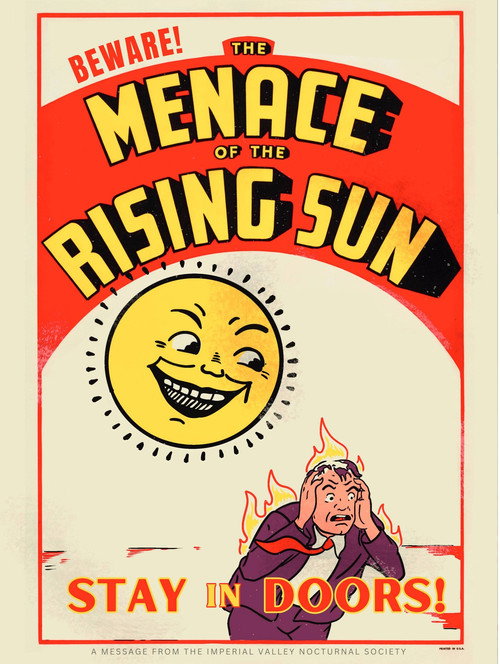 Menace of the Rising Sun (1942)
 Tsubasa no gaika (1942)
 Wake Island (1942)
 Mother Never Dies (1942)
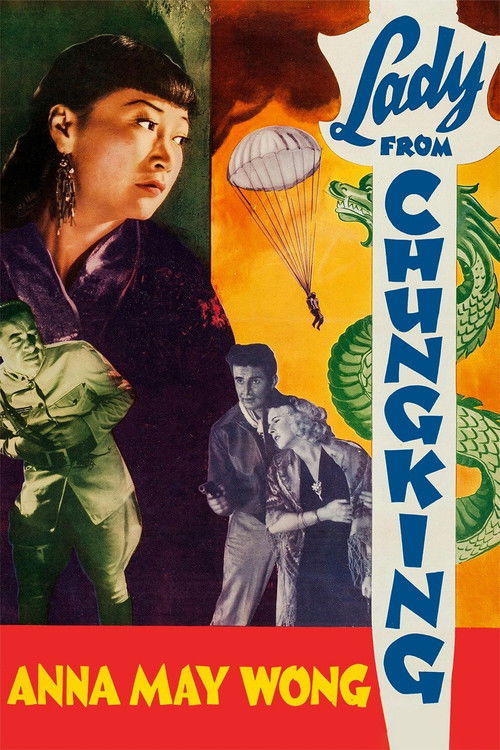 Lady from Chungking (1942)
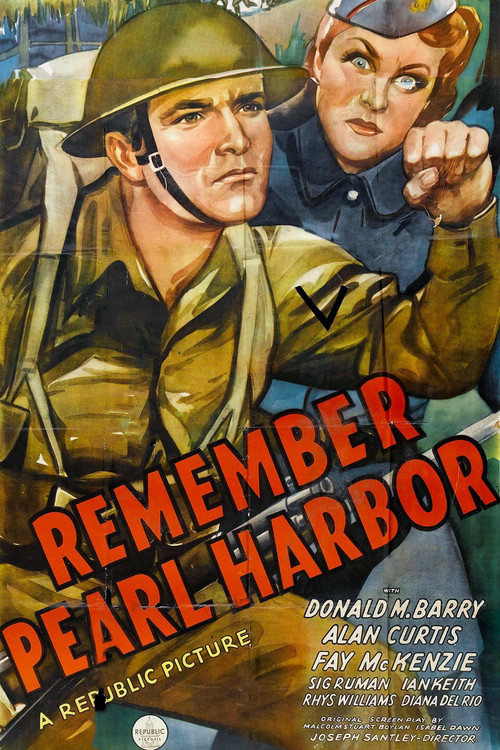 Remember Pearl Harbor (1942)
 Navy Bomb Squadron (1940)
 Bouquet of the South Seas (1942)
- More like this film, on a shelf you can walk up to.It's the lit case on the top shelf.