The Great King (1942)

- Original title
- Der große König
- Directed by
- Veit Harlan
- Genre
- drama film
- Country
- Germany
- Runtime
- 1h 58m
- Rated
- 12
- Rating
- 7.0 of 10 from 8 voters
- Elsewhere
- IMDb
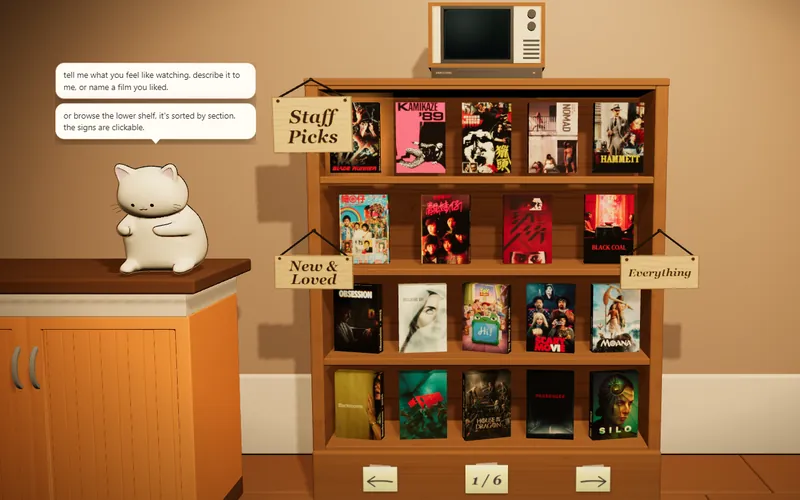
The catalogue in 3D
The film shelves have a room of their own that you can walk around in. The cat behind the counter is the AI Catbot, and they pick real films from the same catalogue when you tell them what you feel like watching. Nothing is for sale, here or in there. Go in from here and this film is already out on the counter, with more like it waiting on the shelf next to it.
How it feels
This film tells the story of Frederick the Great, a Prussian king who ruled during the 1700s. It shows his struggles during a war and his strict philosophy about leadership and loyalty.
solemnmilitaristichomage-likebleakdidacticinstructivestylizedpatriotic
What happens
The Great King (German: Der große König) is a 1942 German drama film directed by Veit Harlan and starring Otto Gebühr. It depicts the life of Frederick the Great, who ruled Prussia from 1740 to 1786. It received the rare "Film of the Nation" distinction. It was part of a popular cycle of "Prussian films". The film is a depiction of the Führerprinzip. The analogy to Adolf Hitler was so clear that Hitler sent a print to Benito Mussolini, and Joseph Goebbels warned against the drawing of the comparison in print, in particular, because of the pessimistic mood that opens the film. After a sergeant gives an unauthorised order, the king orders him simultaneously promoted and punished. His later decision to desert results in his death because no disobedience is justified. Goebbels declared that the parallels were not a matter of propaganda, but an obvious result of the parallels of history. Goebbels also regarded it as instructive that current sufferings would be a source of strength. Goebbels had some difficulty with the Army High Command over this film because it depicted the king as being left in the lurch by his generals. He complained that the army felt that any depiction, however historical, reflected badly on them. (from Wikipedia, CC BY-SA)
More like this
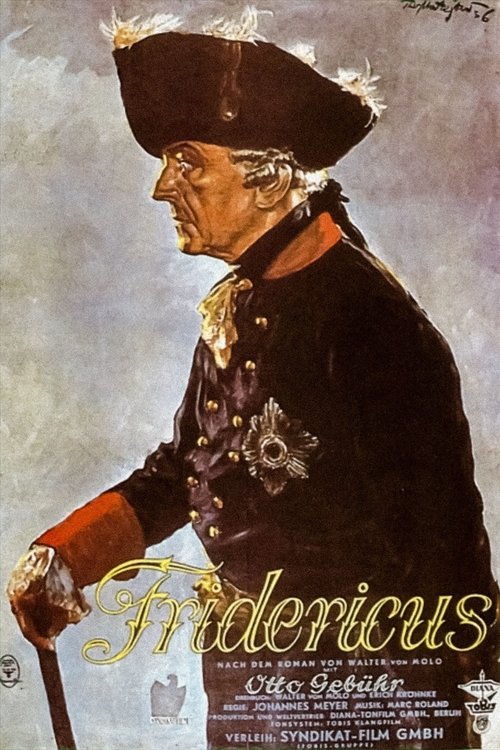 Fridericus (1937)
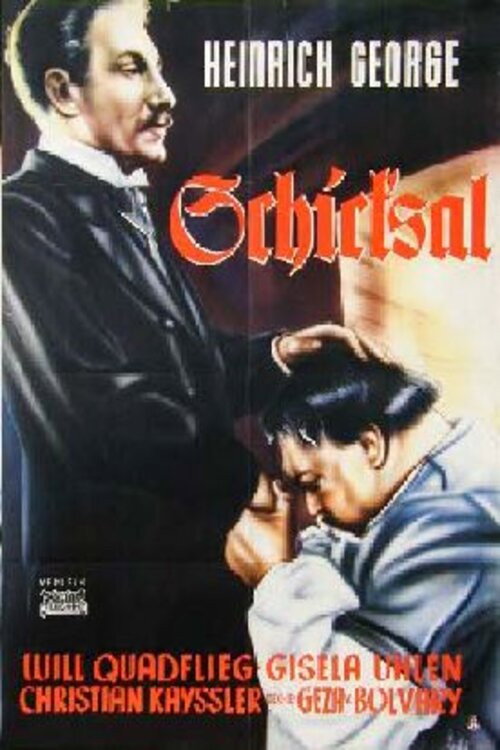 Destiny (1942)
 Between Heaven and Earth (1942)
 The Second Shot (1942)
 Fridericus Rex (1922)
 Die Entlassung (1942)
 Voice of the Heart (1942)
 Front Theatre (1942)
- More like this film, on a shelf you can walk up to.It's the lit case on the top shelf.