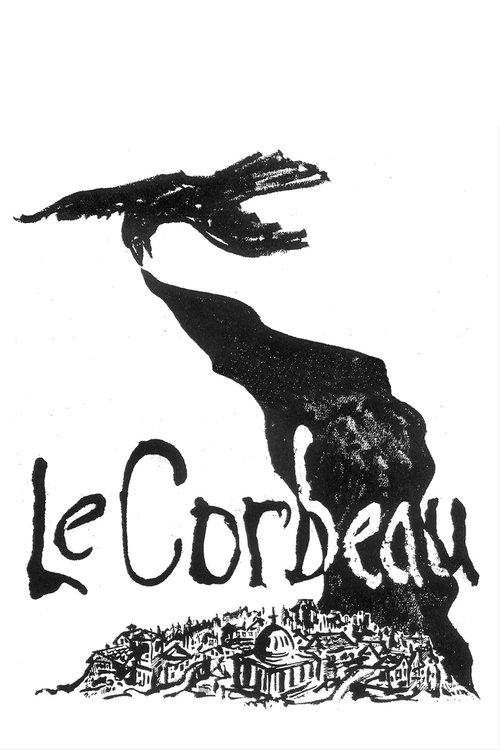
Le Corbeau (1943)
- Directed by
- Henri-Georges Clouzot
- Genre
- film noir
- Country
- France
- Runtime
- 1h 32m
- Rated
- TP
- Rating
- 7.5 of 10 from 319 voters
- Elsewhere
- IMDb
The catalogue in 3D
The film shelves have a room of their own that you can walk around in. The cat behind the counter is the AI Catbot, and they pick real films from the same catalogue when you tell them what you feel like watching. Nothing is for sale, here or in there. Go in from here and this film is already out on the counter, with more like it waiting on the shelf next to it.
How it feels
Anonymous letters containing false accusations are sent to people in a small French town. The letters target a doctor and others, and the community starts to fall apart. Suspicion and violence grow as everyone tries to find the letter writer.
suspensefultenseparanoiddarkcynicalslow-burnmelancholicunsettling
What happens
Le Corbeau (lit. 'The Raven') is a 1943 French mystery film noir directed by Henri-Georges Clouzot and starring Pierre Fresnay, Micheline Francey, Ginette Leclerc, and Pierre Larquey. Its plot focuses on a provincial French town where a number of citizens begin receiving anonymous letters containing libelous information, particularly targeting a doctor accused of providing abortions. The mystery surrounding the letters begins to tear apart the social fabric of the community, eventually escalating into violence and chaos. The screenplay is loosely based on an anonymous letter case that began in the town of Tulle, Limousin, in 1917. Released in September 1943 at the height of World War II, Le Corbeau was subject to notable controversy. It was produced by Continental Films, a German production company established near the beginning of the Occupation of France, and was pulled from theatres under the right-wing Vichy government due to its depiction of immoral characters and "thinly veiled references to the destructive nature of informing on your neighbors", a common practice under the Vichy government. The film also faced censorship efforts from the French Left after the war, as it had been perceived by the underground and the Communist press as vilifying the French people, depicting their national character as anti-Resistance. The political backlash over the film resulted in Clouzot initially being banned for life from directing in France, though this ban was ultimately lifted in 1947. The film remained suppressed until 1969. It was remade as The 13th Letter (1951) by Otto Preminger. (from Wikipedia, CC BY-SA)
More like this
 It Happened at the Inn (1943)
 Voyage sans espoir (1943)
 The Secret of Madame Clapain (1943)
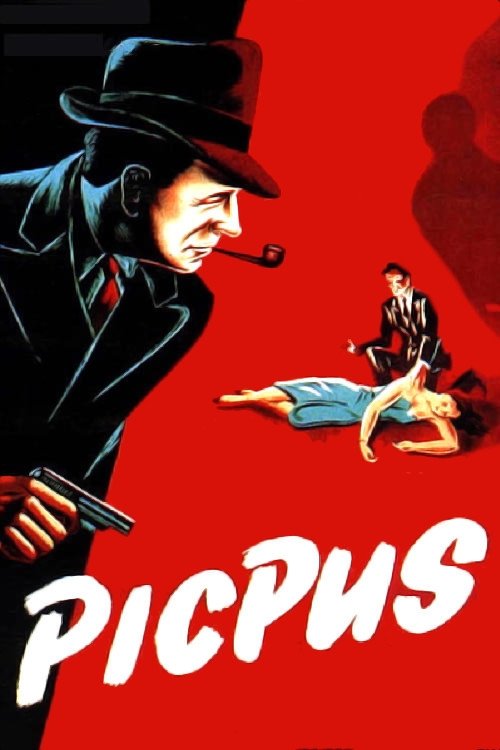 Picpus (1943)
 Madame et le Mort (1943)
 Ceux du rivage (1943)
 Le Voyageur de la Toussaint (1943)
 Lucrèce (1943)
- More like this film, on a shelf you can walk up to.It's the lit case on the top shelf.