Eternity (1943)

- Original title
- 萬世流芳
- Directed by
- Bu Wancang
- Genre
- historical film
- Country
- Manchukuo
- Runtime
- 2h 31m
- Rating
- 8.0 of 10 from 1 voters
- Elsewhere
- IMDb
The catalogue in 3D
The film shelves have a room of their own that you can walk around in. The cat behind the counter is the AI Catbot, and they pick real films from the same catalogue when you tell them what you feel like watching. Nothing is for sale, here or in there. Go in from here and this film is already out on the counter, with more like it waiting on the shelf next to it.
How it feels
This film tells the story of Lin Zexu and the First Opium War. It was made in occupied Shanghai during World War Two by Chinese and Japanese filmmakers working together.
propagandistichistoricalsombernationalisticambiguousmelodramaticausterepatriotic
What happens
Eternity (Chinese: 萬世流芳; pinyin: Wànshì Liúfāng) is a controversial 1943 Chinese film made in Japanese-occupied Shanghai during the Second World War. The film was a collaborative effort between the Japanese-controlled Manchukuo Film Association and Chinese filmmakers that remained in Shanghai under the Japanese-controlled Zhonglian Productions ("United China") brand. Telling the story of Lin Zexu and the First Opium War, the film was designed by producers Kawakita Nagamasa and Zhang Shankun to offer "an interpretive fluidity to accommodate every spectator's ideological position." For Japanese audiences, the film could be read as anti-Western, as promoting the ostensibly "anti-colonialist" agenda of the Greater East Asian Co-Prosperity Sphere. To Chinese audiences, on the other hand, the film promoted a spirit of resistance to a foreign enemy – namely, Japan – and upon its release garnered the largest audience in Chinese cinematic history. Ultimately the film, as well as the Shanghai-based filmmakers, were seen as tools of the enemy once the war was over, with many involved in the production (notably directors Bu Wancang, Ma-Xu Weibang, and Zhu Shilin) eventually moving to Hong Kong due to the hostile environment. (from Wikipedia, CC BY-SA)
More like this
 My Nightingale (1943)
 Ahen senso (1943)
 Geishunka (1942)
 成吉思汗 (1943)
 The Opium Wars (1959)
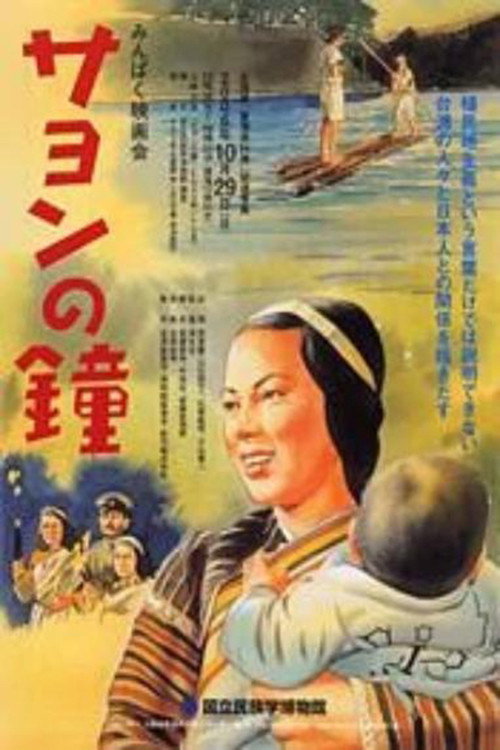 Sayon's Bell (1943)
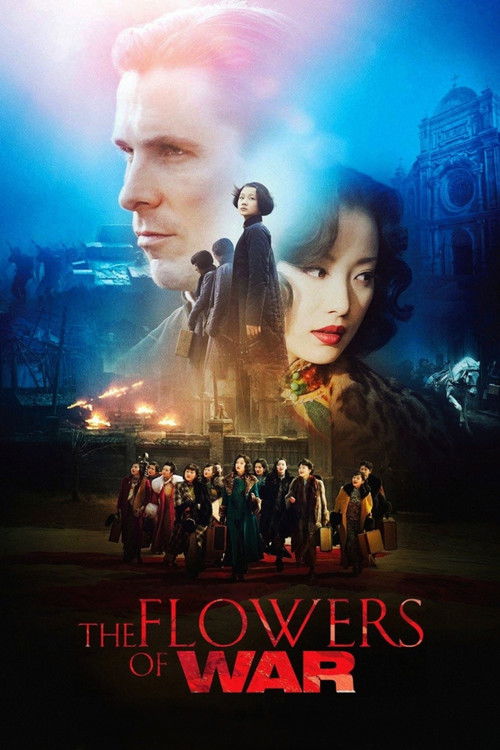 The Flowers of War (2011)
 Purple Sunset (2001)
- More like this film, on a shelf you can walk up to.It's the lit case on the top shelf.