Smash-Up, the Story of a Woman (1947)

- Original title
- Smash-Up: The Story of a Woman
- Directed by
- Stuart Heisler
- Genre
- drama film, romance film
- Country
- United States
- Runtime
- 1h 43m
- Rated
- NR
- Rating
- 6.4 of 10 from 24 voters
- Elsewhere
- IMDb

The catalogue in 3D
The film shelves have a room of their own that you can walk around in. The cat behind the counter is the AI Catbot, and they pick real films from the same catalogue when you tell them what you feel like watching. Nothing is for sale, here or in there. Go in from here and this film is already out on the counter, with more like it waiting on the shelf next to it.
How it feels
A rising nightclub singer gives up her career to marry another singer. She then struggles with alcoholism as she watches her husband's star rise.
sadtensebleakmelancholicdramaticsomberrawemotional
What happens
Smash-Up, the Story of a Woman, also called A Woman Destroyed, is a 1947 American drama film with elements of film noir that tells the story of a rising nightclub singer who marries another singer and becomes an alcoholic after sacrificing her career for him. The film stars Susan Hayward, Lee Bowman, Eddie Albert and Marsha Hunt. The screenplay was written by John Howard Lawson based on a story written by Dorothy Parker, Frank Cavett and Lionel Wiggam. Produced by Walter Wanger under his personal contract with Hayward, the film was directed by Stuart Heisler. Ethel Wales appears in an uncredited part. The film was nominated for Academy Awards for Best Actress in a Leading Role (Hayward) and Best Writing, Original Story. Because the film contains a story similar to that of A Star Is Born, it was rumored to be a cryptic biography of Bing Crosby and his stormy first marriage to Dixie Lee. A scene that has been popular with critics and fans is the violent slapping and hair-pulling fight between rivals Hayward and Hunt in the ladies‘ powder room (a scene repeated by Hayward 20 years later in Valley of the Dolls). This film is in the public domain. (from Wikipedia, CC BY-SA)
More like this
 The Man I Love (1947)
 Nora Prentiss (1947)
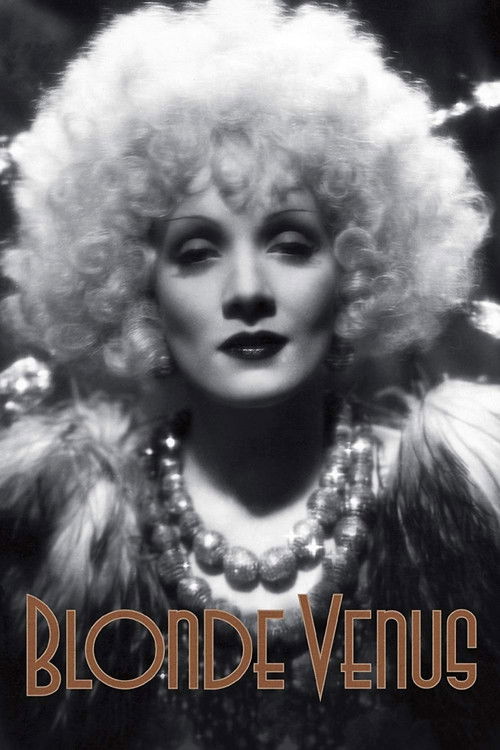 Blonde Venus (1932)
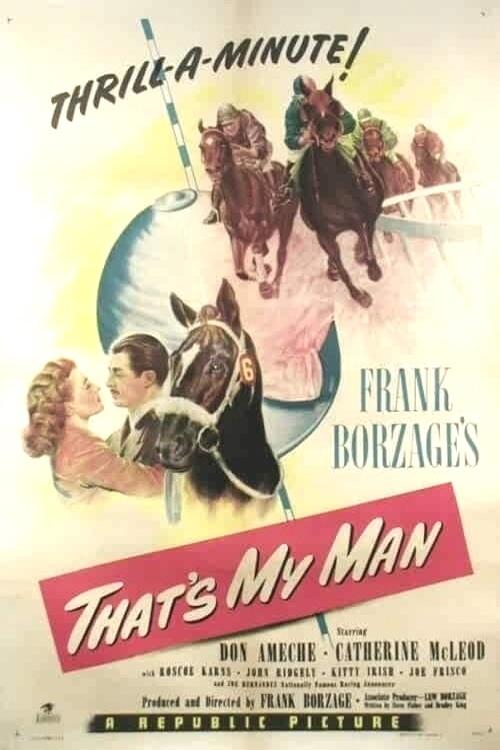 That's My Man (1947)
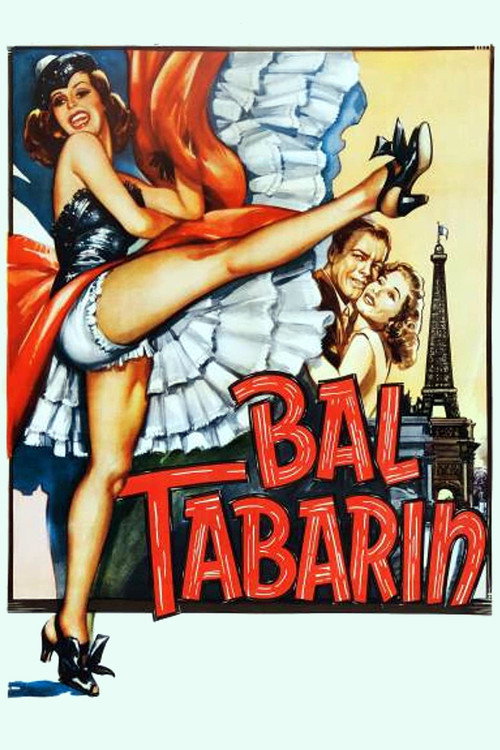 Bal Tabarin (1952)
 The Lady from Shanghai (1947)
 Escape Me Never (1947)
 Her Kind of Man (1946)
- More like this film, on a shelf you can walk up to.It's the lit case on the top shelf.