Drunken Angel (1948)
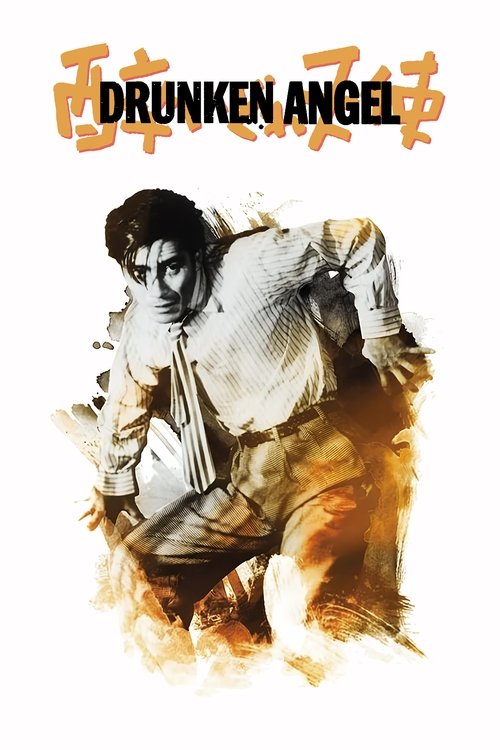
- Original title
- 醉いどれ天使
- Directed by
- Akira Kurosawa
- Genre
- drama film, film noir
- Country
- Japan
- Runtime
- 1h 38m
- Rated
- NR
- Rating
- 7.6 of 10 from 312 voters
- Elsewhere
- IMDb
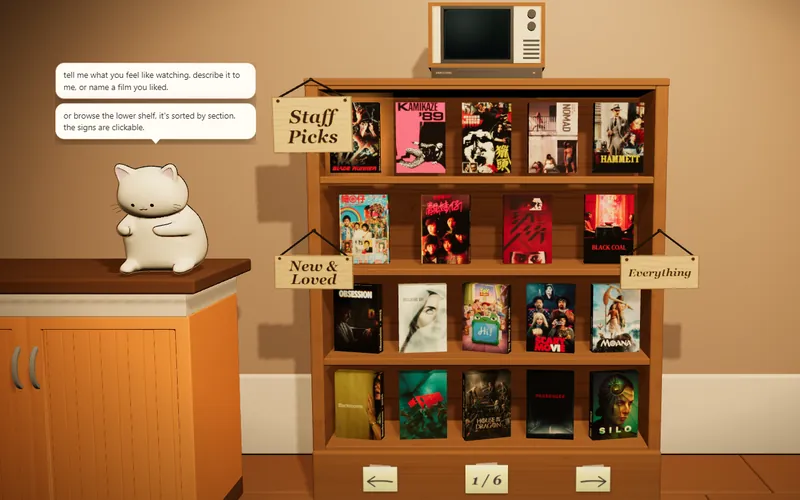
The catalogue in 3D
The film shelves have a room of their own that you can walk around in. The cat behind the counter is the AI Catbot, and they pick real films from the same catalogue when you tell them what you feel like watching. Nothing is for sale, here or in there. Go in from here and this film is already out on the counter, with more like it waiting on the shelf next to it.
How it feels
An alcoholic doctor in postwar Japan treats a young yakuza with tuberculosis. The doctor tries to save him from both his disease and the violent life of the gang.
grittymelancholictenseatmosphericbleakslow-burnemotionally raw
What happens
Drunken Angel (Japanese: 醉いどれ天使, Hepburn: Yoidore Tenshi) is a 1948 Japanese yakuza film directed by Akira Kurosawa and co-written by Kurosawa and Keinosuke Uekusa. Produced by Toho and starring Takashi Shimura and Toshiro Mifune, it tells the story of the alcoholic doctor Sanada and his yakuza patient Matsunaga. Sanada tries to save Matsunaga from illness and the corruption brought about by the crime in the community while Matsunaga finds himself gradually sidelined within the syndicate and becomes increasingly self-destructive. The film was the first to depict the post-Second World War yakuza and is generally considered to be Kurosawa's first major work. During the writing of the screenplay Kurosawa and Uekusa clashed over Uekusa's growing sympathies with the yakuza due to his regular meetings with a life-model to study for the character Matsunaga. Production began in 1947 amid a series of labour disputes in the Toho company. Filming lasted from November of that year to March 10, 1948. During production, Kurosawa encountered a number of setbacks, including the death of his father in February 1948. The film was the first of sixteen collaborations between Kurosawa and Mifune, and the first collaboration between Kurosawa and Fumio Hayasaka. Kurosawa's work on Drunken Angel prompted him to think more about the relationship between music and image in film. Despite facing censorship from the Civil Information and Education Section of the Allied occupation government, the film was released in Japan on April 27, 1948, to generally positive reviews. The film won awards for Best Film from Kinema Junpo and Mainichi Shimbun. After the international success of Rashomon (1950) at the 1951 Venice Film Festival, Toho promoted the film abroad. Analyses of Drunken Angel have looked at the pairing of multiple characters and their interactions in the postwar environment, with discussions focussing on the morality of its characters (the titular 'drunken angel'), intertextual references to the novels of Fyodor Dostoevsky and contemporary noir fiction, and the symbolic meaning of the sump—a kind of open cesspool—seen throughout much of the film. (from Wikipedia, CC BY-SA)
More like this
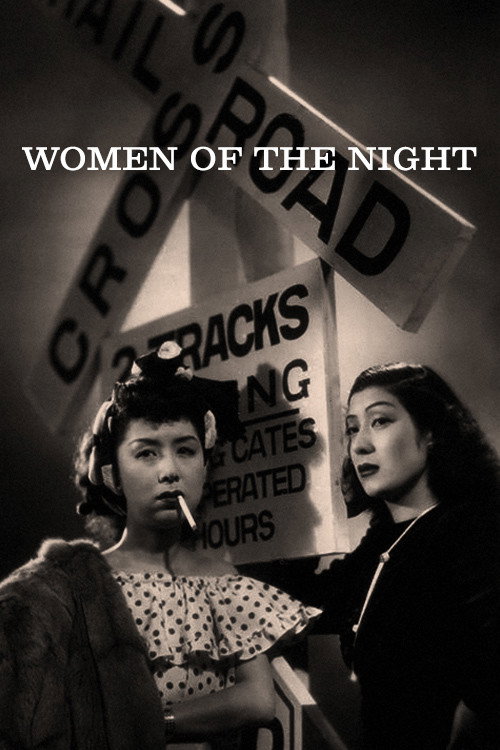 Women of the Night (1948)
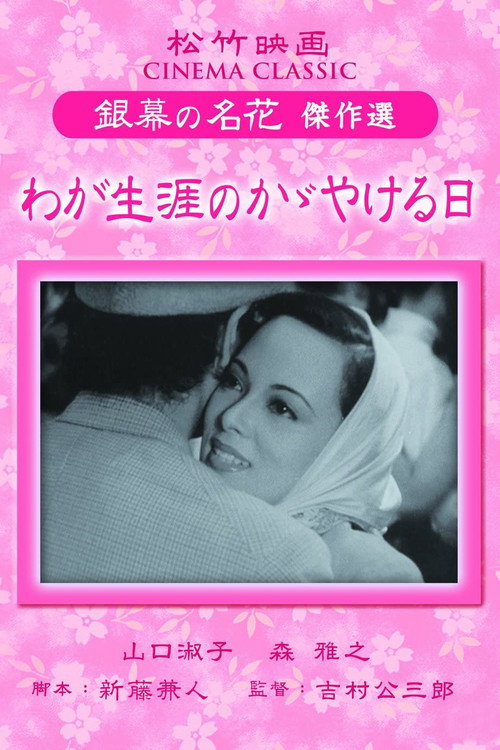 The Brightest Days of My Life (1948)
 Children of the Beehive (1948)
 Omokage (1948)
 A Hen in the Wind (1948)
 The Portrait (1948)
 Ikiru (1952)
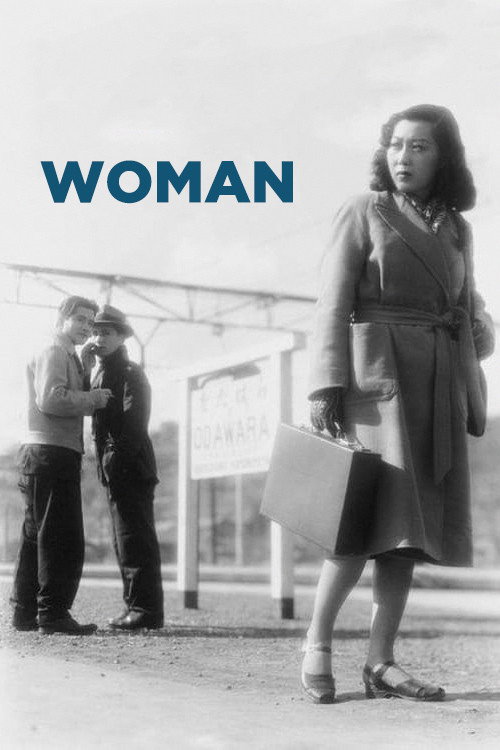 Woman (1948)
- More like this film, on a shelf you can walk up to.It's the lit case on the top shelf.