Stolen Face (1952)

- Directed by
- Terence Fisher
- Genre
- drama film, film noir, horror film, science fiction film, crime film
- Country
- United Kingdom
- Runtime
- 1h 12m
- Rated
- NR
- Rating
- 5.8 of 10 from 30 voters
- Elsewhere
- IMDb
The catalogue in 3D
The film shelves have a room of their own that you can walk around in. The cat behind the counter is the AI Catbot, and they pick real films from the same catalogue when you tell them what you feel like watching. Nothing is for sale, here or in there. Go in from here and this film is already out on the counter, with more like it waiting on the shelf next to it.
How it feels
A plastic surgeon falls in love with a woman and, after she leaves him, creates a new face for a female convict to resemble his lost love. The surgeon then marries the transformed convict, but his obsession with his former love strains the relationship.
melodramatictenseshadowydatedearnestgothic-tingeddramatic
What happens
Stolen Face is a 1952 British film directed by Terence Fisher and starring Paul Henreid, Lizabeth Scott and André Morell. The screenplay was by Martin Berkeley and Richard Landau based on a story by Alexander Paal and Steven Vas. Jimmy Sangster was assistant director and Phil Leakey handled Makeup. Lead actors Henreid and Scott both were experiencing downturns in their careers and welcomed the chance to work in this film. It also featured Andre Morell's first work for Hammer. Filming began Oct. 29, 1951, and wrapped on December 4th. It was trade shown on April 12, 1952, and released at the Plaza on May 2nd, the first Hammer film ever to open at a prestigious West End cinema. This film was a preview of things to come for Hammer, with its borderline science-fiction theme and the involvement of director Terence Fisher, foreshadowing Hammer's later successes in the horror film genre. (from Wikipedia, CC BY-SA)
More like this
 The Second Mrs Tanqueray (1952)
 Jail Bait (1954)
 Sudden Fear (1952)
 The Broken Horseshoe (1953)
 The Girl in White (1952)
 Strange Impersonation (1946)
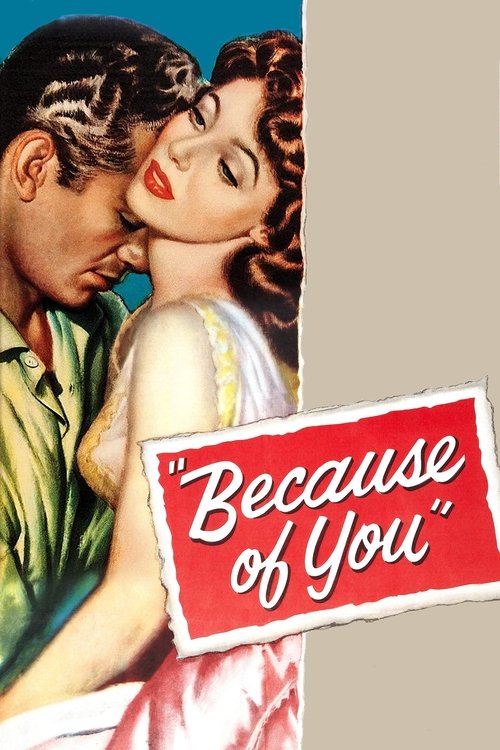 Because of You (1952)
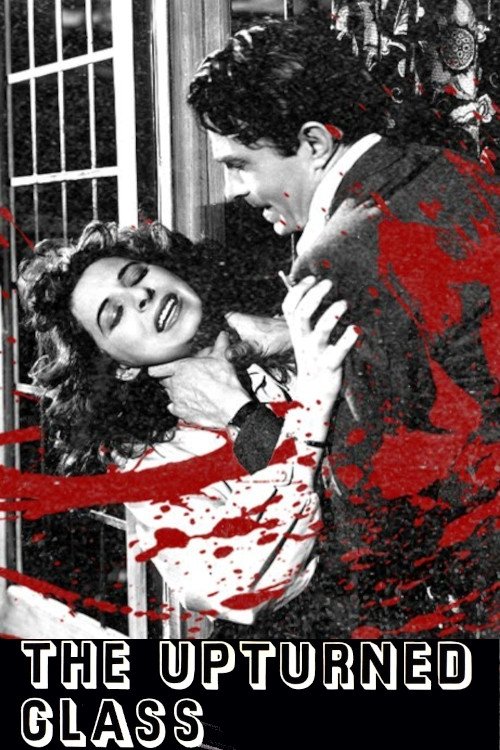 The Upturned Glass (1947)
- More like this film, on a shelf you can walk up to.It's the lit case on the top shelf.