Samurai II: Duel at Ichijoji Temple (1955)

- Original title
- 続宮本武蔵 一乗寺の決闘
- Directed by
- Jun Fukuda, Hiroshi Inagaki
- Genre
- drama film, Jidaigeki
- Country
- Japan
- Runtime
- 1h 44m
- Rated
- U
- Rating
- 7.2 of 10 from 142 voters
- Elsewhere
- IMDb
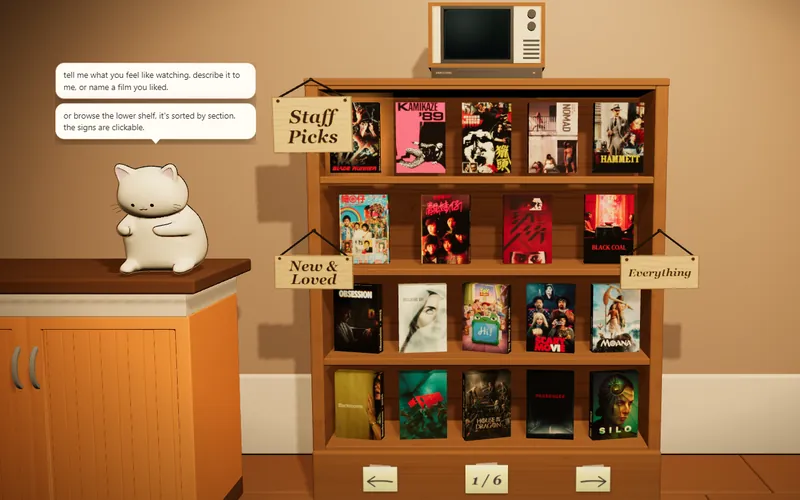
The catalogue in 3D
The film shelves have a room of their own that you can walk around in. The cat behind the counter is the AI Catbot, and they pick real films from the same catalogue when you tell them what you feel like watching. Nothing is for sale, here or in there. Go in from here and this film is already out on the counter, with more like it waiting on the shelf next to it.
How it feels
A wandering swordsman faces a rival school in a climactic confrontation. This is the second part of a trilogy about a legendary Japanese warrior.
epicstoicslow-burnhistoricaldramaticseriouscolorfulduel-focused
What happens
Duel at Ichijoji Temple (Japanese: 続宮本武蔵 一乗寺の決闘, Hepburn: Zoku Miyamoto Musashi: Ichijōji no Kettō) is a 1955 Japanese film directed by Hiroshi Inagaki starring Toshiro Mifune. Shot in Eastmancolor, it is the second film of Inagaki's Samurai Trilogy. The film is adapted from Eiji Yoshikawa's novel Musashi, originally released as a serial in the Japanese newspaper Asahi Shimbun, between 1935 and 1939. The novel is loosely based on the life of the famous Japanese swordsman, Miyamoto Musashi. The first part of the trilogy is Samurai I: Musashi Miyamoto (1954) and the third is Samurai III: Duel at Ganryu Island (1956). The film's production designer was Kisaku Itō, the set decoration was made by Makoto Sono, the consultant of art department was Kisaku Itō, the sound technician was Chōshichirō Mikami, the lighting technician was Shigeru Mori, and the choreographers were Tokuho Azuma and Yoshio Sugino. (from Wikipedia, CC BY-SA)
More like this
 Yagyū Ren'yasai: Hiden Tsukikage-shō (1956)
 Satan's Sword II (1960)
 New Tale of Zatoichi (1963)
 Sleepy Eyes of Death: A Trail of Traps (1967)
 Sword Devil (1965)
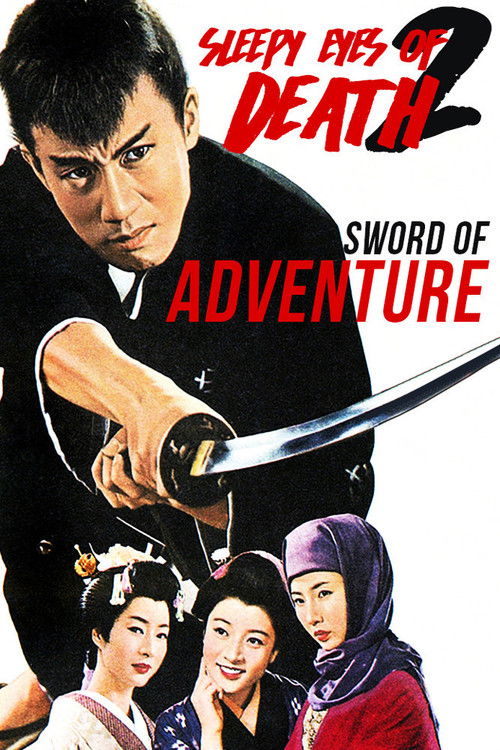 Sleepy Eyes of Death: Sword of Adventure (1964)
 Daibosatsu-tōge (1935)
 血斗水滸伝 怒涛の対決 (1959)
- More like this film, on a shelf you can walk up to.It's the lit case on the top shelf.