The Unfinished Comedy (1957)
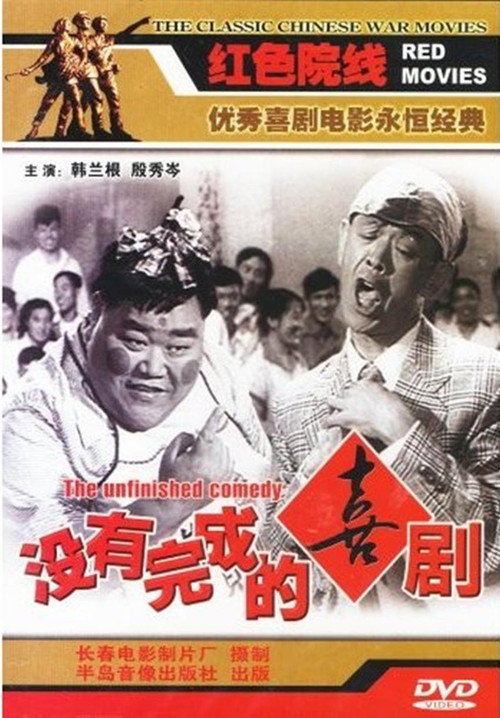
- Original title
- 未完成的喜剧
- Directed by
- Lü Ban
- Genre
- comedy film
- Country
- People's Republic of China
- Runtime
- 1h 20m
- Rating
- 8.0 of 10 from 1 voters
- Elsewhere
- IMDb
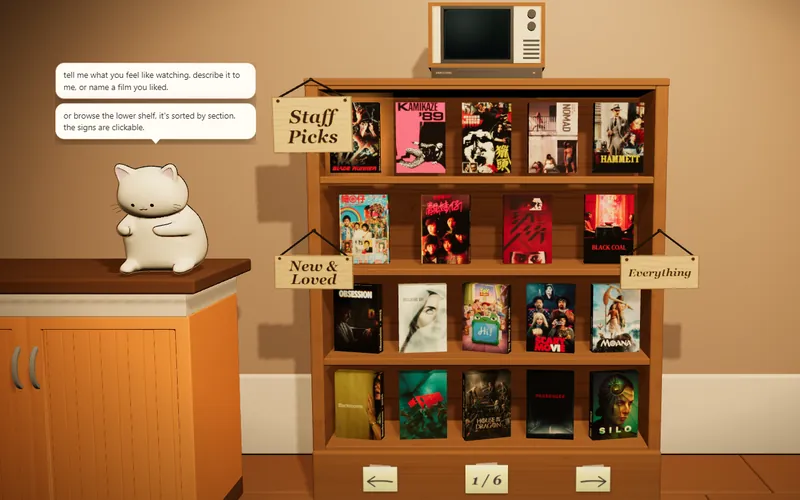
The catalogue in 3D
The film shelves have a room of their own that you can walk around in. The cat behind the counter is the AI Catbot, and they pick real films from the same catalogue when you tell them what you feel like watching. Nothing is for sale, here or in there. Go in from here and this film is already out on the counter, with more like it waiting on the shelf next to it.
How it feels
A beloved comedic duo from the Republican era reunites to make comedy shorts at a film studio. Their sketches are judged by a stern censor who decides whether they are art or nonsense.
playfulsatiricalmetalightheartedcerebralwrybittersweetobservational
What happens
The Unfinished Comedy (Chinese: 没有完成的喜剧, Méiyǒu wánchéng de xǐjù) is a 1957 Chinese sound film directed by actor-turned-director Lü Ban. The film portrays the reunion of a beloved Republican-era screen comedic duo, “Skinny Monkey” Hán Lángēn and “Fatty” Yīn Xiùcén, who are finally able to produce comedy shorts again at the invitation of the Changchun Film Studio. The duo's first three films, which satirize present-day China's censorship, are screened and critiqued by Comrade Yi Bangzi, or “Comrade Bludgeon,” (whose name is a homophone of the popular expression “(to kill with) a bludgeon”), acting as the censor who will decide whether the results of their filmmaking will become “flowers of comedy” or just “a clump of weeds." This notorious metacinematic satirical comedy, made during the Hundred Flowers Campaign (May 1956–June 1957), has been described as "perhaps the most accomplished [Chinese] film made in the 17 years between 1949 and the Cultural Revolution". It addresses sensitive issues of “social criticism, the relationship between mass culture and political discourse, the conflict between artistic autonomy and official control, and the status of artists and performers from the “old society.”” The film dramatized the way in which the People’s Republic of China constrained film artists through three film-within-a-film shots and ends with the censor, Comrade Bludgeon, stumbling around backstage before being struck on the head with a loose beam. He is literally “killed with one bludgeon,” living up to his name. Comrade Bludgeon makes his exit backstage and is struck by a bludgeon. Due to its controversial subject matter, the movie was received very poorly by the censor critics, who considered it too objectionable, and it was subsequently not shown to a wider public. This led to Lü Ban's becoming the target of political persecution during the Anti-Rightist Campaign (1957–1959) and being banned from future filmmaking until his death two decades later. The film was belatedly released in the 1980s. (from Wikipedia, CC BY-SA)
More like this
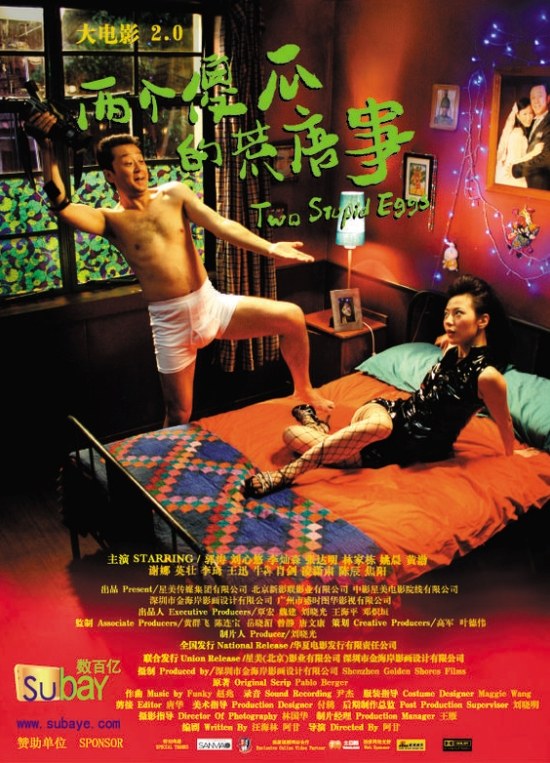 Two Stupid Eggs (2007)
 Devils on the Doorstep (2000)
 The Dream Factory (1997)
 Secret Love for the Peach Blossom Spring (1992)
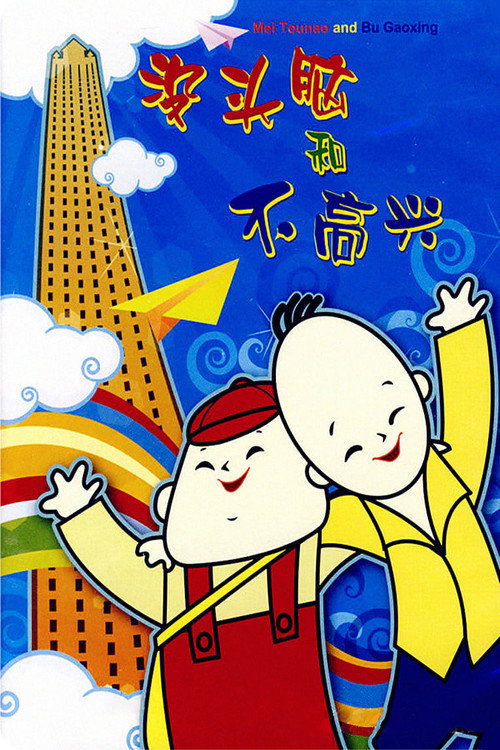 Meitounao and Bugaoxing (1962)
 Once Again (2017)
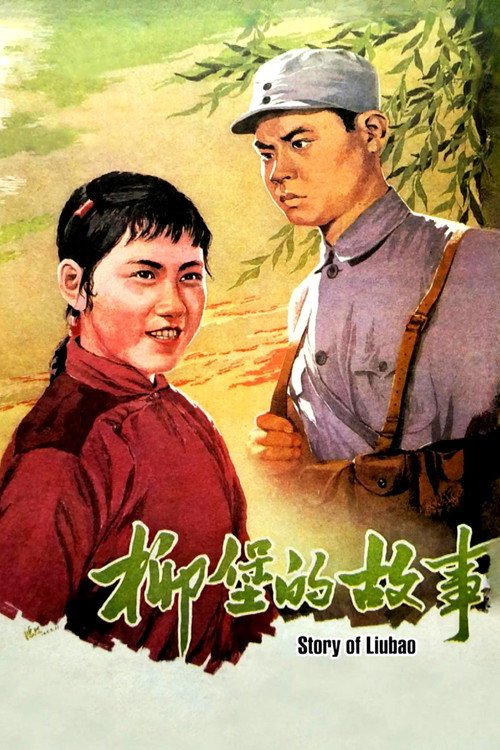 The Story of Liubao (1957)
 Phony Phoenixes
- More like this film, on a shelf you can walk up to.It's the lit case on the top shelf.