The Diary of Anne Frank (1959)

- Directed by
- George Stevens
- Genre
- drama film, war film, biographical film, Holocaust film, coming-of-age film
- Country
- United States
- Runtime
- 2h 32m
- Rated
- NR
- Rating
- 7.2 of 10 from 376 voters
- Elsewhere
- IMDb

The catalogue in 3D
The film shelves have a room of their own that you can walk around in. The cat behind the counter is the AI Catbot, and they pick real films from the same catalogue when you tell them what you feel like watching. Nothing is for sale, here or in there. Go in from here and this film is already out on the counter, with more like it waiting on the shelf next to it.
How it feels
This film tells the story of a young Jewish girl hiding with her family in a secret annex in Amsterdam during World War II. It follows her daily life, relationships, and writing as she grows up in confinement.
introspectivesomberclaustrophobictenderpoignanthistorically groundedquietly intense
What happens
The Diary of Anne Frank is a 1959 American biographical drama film based on the Pulitzer Prize-winning 1955 play of the same name, which was in turn based on the posthumously published diary of Anne Frank, a German-born Jewish girl who lived in hiding in Amsterdam with her family during World War II. It was directed by George Stevens, a Hollywood filmmaker previously involved with capturing evidence of concentration camps during the war, from a screenplay by Frances Goodrich and Albert Hackett. It is the first film version of both the play and the original story, and features three members of the original Broadway cast. Many of Frank's writings to her diary were addressed as "Dear Kitty". It was published after the end of the war by her father, Otto Frank (played in the film by Joseph Schildkraut, who was also Jewish). His entire family had been murdered in the Holocaust. The interiors were shot in Los Angeles on a sound stage duplicate of the Amsterdam factory, with exteriors filmed at the actual building. The film was positively received by critics, currently holding an 81% critics rating on Rotten Tomatoes. It was nominated for eight Academy Awards in 1960, winning three, including Best Supporting Actress for Shelley Winters. Shelley Winters later donated her Oscar to the Anne Frank House museum. In 2006, it was honored as the eighteenth most inspiring American film on the list AFI's 100 Years...100 Cheers. (from Wikipedia, CC BY-SA)
More like this
 The Hiding Place (1975)
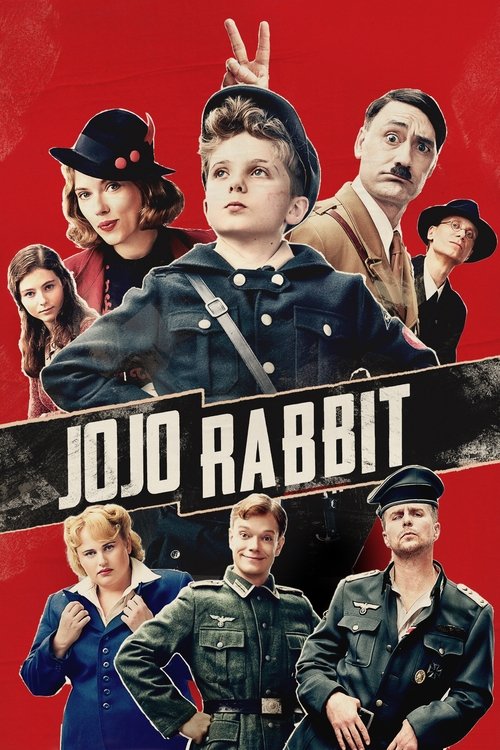 Jojo Rabbit (2019)
 Europa Europa (1990)
 The Diary of Anne Frank (2016)
 The Diary of Anne Frank (1967)
 The Devil's Arithmetic (1999)
 The Pianist (2002)
 Het bittere kruid (1985)
- More like this film, on a shelf you can walk up to.It's the lit case on the top shelf.