La Dolce Vita (1960)
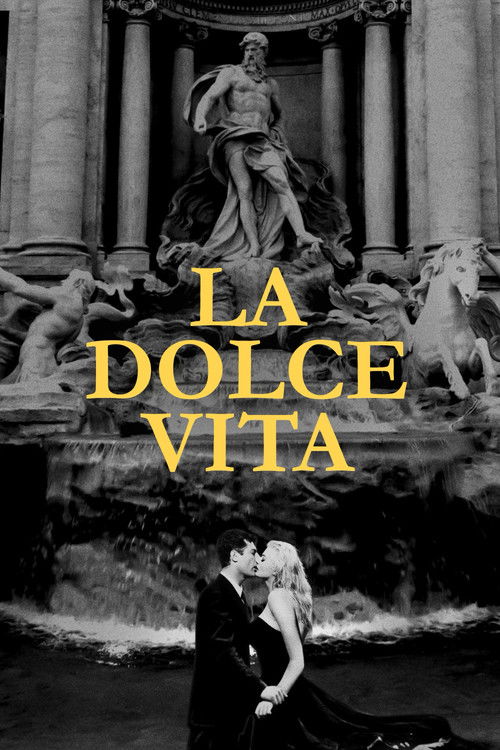
- Original title
- La dolce vita
- Directed by
- Federico Fellini
- Genre
- drama film, comedy film
- Country
- France, Italy
- Runtime
- 2h 54m
- Rated
- NR
- Rating
- 8.0 of 10 from 2,040 voters
- Elsewhere
- IMDb
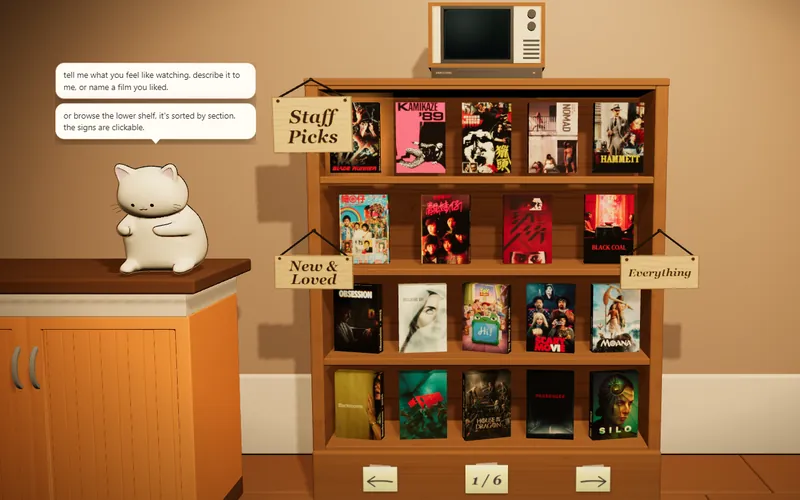
The catalogue in 3D
The film shelves have a room of their own that you can walk around in. The cat behind the counter is the AI Catbot, and they pick real films from the same catalogue when you tell them what you feel like watching. Nothing is for sale, here or in there. Go in from here and this film is already out on the counter, with more like it waiting on the shelf next to it.
How it feels
A tabloid journalist spends seven days and nights wandering through Rome's high society parties and nightlife. He is searching for love and happiness but finds only empty pleasures and disillusionment.
satiricalmelancholicbittersweetironicdecadentrestlessepisodicvisually lush
What happens
La Dolce Vita (Italian: [la ˈdoltʃe ˈviːta]; Italian for 'the sweet life' or 'the good life') is a 1960 satirical comedy-drama film directed by Federico Fellini and written by Fellini, Ennio Flaiano, Tullio Pinelli, and Brunello Rondi. The film stars Marcello Mastroianni as Marcello Rubini, a tabloid journalist who, over seven days and nights, journeys through the "sweet life" of Rome in a fruitless search for love and happiness. The screenplay can be divided into a prologue, seven major episodes interrupted by an intermezzo, and an epilogue, according to the most common interpretation. Released in Italy on 5 February 1960, La Dolce Vita was both a critical success and worldwide commercial hit, despite censorship in some regions. It won the Palme d'Or at the 1960 Cannes Film Festival and the Academy Award for Best Costumes. It was nominated for three more Oscars, including Best Director for Federico Fellini, and Best Original Screenplay. Its success proved a watershed moment for Italian cinema and European cinema-at-large, and it has come to be regarded as a masterpiece of Italian cinema, as well as one of the greatest films ever made. In 2008, the film was included on the Italian Ministry of Cultural Heritage's 100 Italian films to be saved, a list of 100 films that "have changed the collective memory of the country between 1942 and 1978." The character of Paparazzo, the news photographer (portrayed by Walter Santesso) is the origin of the word paparazzi, used in many languages to describe intrusive photographers. (from Wikipedia, CC BY-SA)
More like this
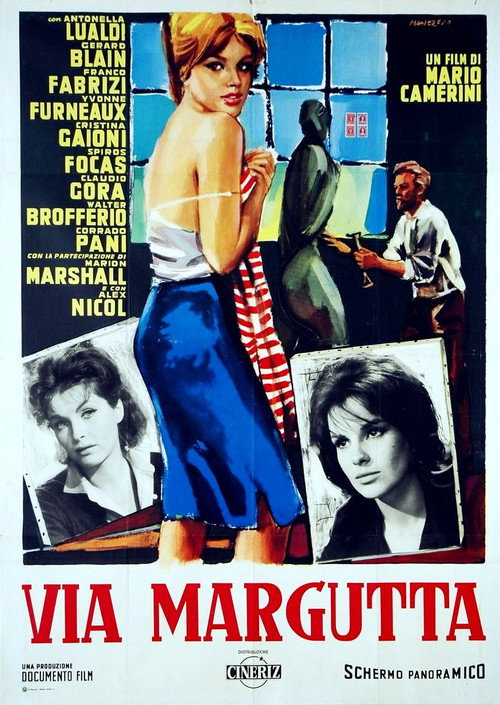 Run with the Devil (1960)
 Purple Noon (1960)
 Wasteland (1960)
 From a Roman Balcony (1960)
 Rocco and His Brothers (1960)
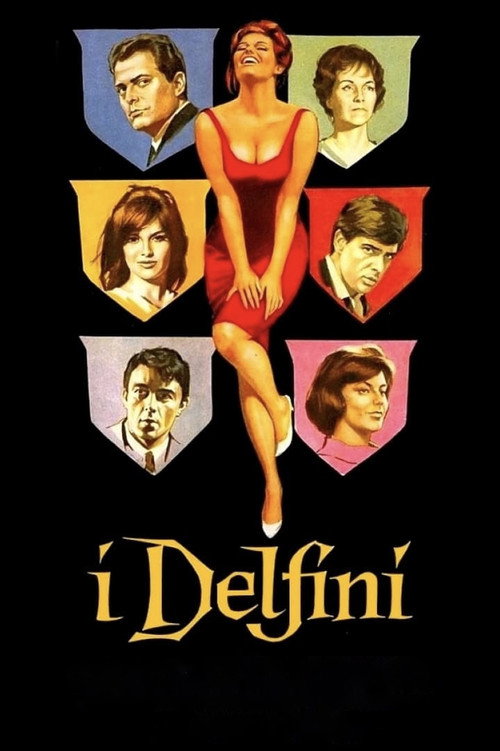 I Delfini (1960)
 La garçonnière (1960)
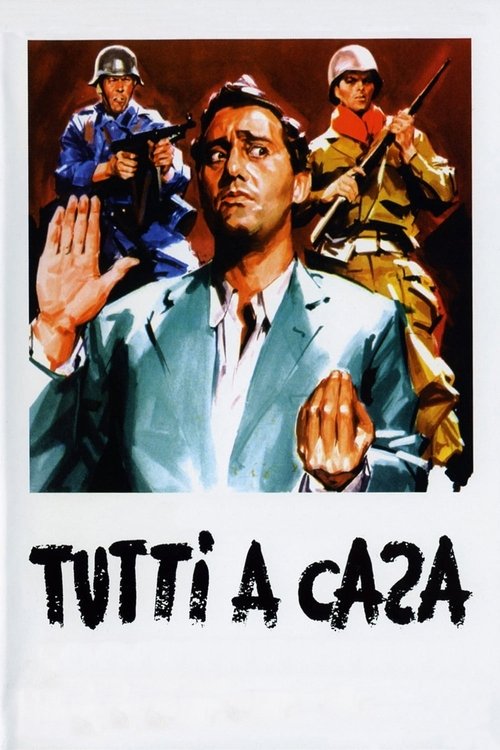 Everybody Go Home (1960)
- More like this film, on a shelf you can walk up to.It's the lit case on the top shelf.