Back Street (1961)

- Directed by
- David Miller
- Genre
- drama film, romance film
- Country
- United States
- Runtime
- 1h 47m
- Rating
- 5.6 of 10 from 18 voters
- Elsewhere
- IMDb
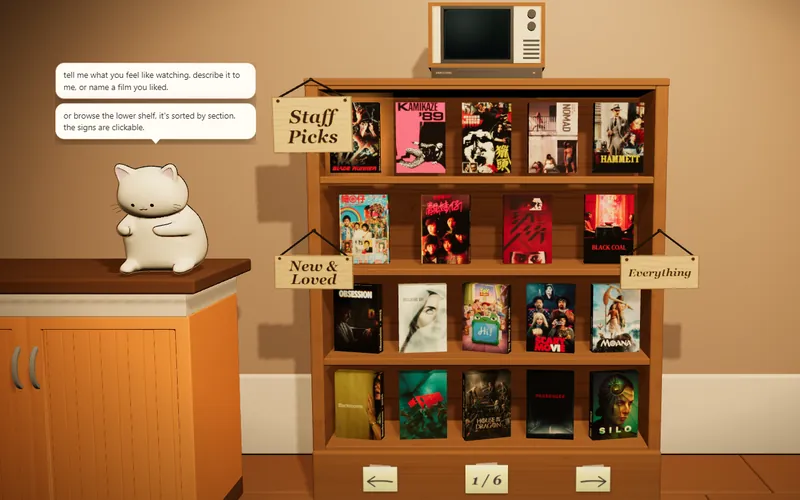
The catalogue in 3D
The film shelves have a room of their own that you can walk around in. The cat behind the counter is the AI Catbot, and they pick real films from the same catalogue when you tell them what you feel like watching. Nothing is for sale, here or in there. Go in from here and this film is already out on the counter, with more like it waiting on the shelf next to it.
How it feels
Two people are in love but one of them is already married. They can only meet in secret and their relationship is always limited by this obstacle.
romanticmelancholicglamorousslow-pacedfrustratingvisually lushsoapyrestrained
What happens
Back Street is a 1961 American Eastmancolor drama film directed by David Miller, and produced by Ross Hunter. The screenplay was written by William Ludwig and Eleanore Griffin based on the 1931 novel of the same name by Fannie Hurst. The music score is by Frank Skinner, who also scored the 1941 version. The film stars Susan Hayward, John Gavin, and Vera Miles. The story follows two lovers who have limited opportunities to get together because one of them is married. Hedda Hopper claims Hunter was considering Gregory Peck and William Holden for the lead until she suggested John Gavin. It was nominated for an Oscar for Best Costume Design, Color (Jean Louis). Unlike the previous film versions, this one gives Susan Hayward plenty of opportunity to appear in Jean Louis's spectacular gowns. This was a trademark of Ross Hunter's remakes of older "weepies"; he employed the same method in Lana Turner's versions of Imitation of Life and Madame X. Of all three screen versions of Back Street, this 1961 production took the most dramatic license with the novel. It is different from both the 1932 and 1941 screen versions in many ways – changing the names of several characters and updating the story to what was then the present day. Good examples of how the plotline was sensationalized in this third version are the attempted suicide and the fatal car crash. (from Wikipedia, CC BY-SA)
More like this
 By Love Possessed (1961)
 Guns of the Trees (1961)
 The Right Approach (1961)
 The Grass Eater (1961)
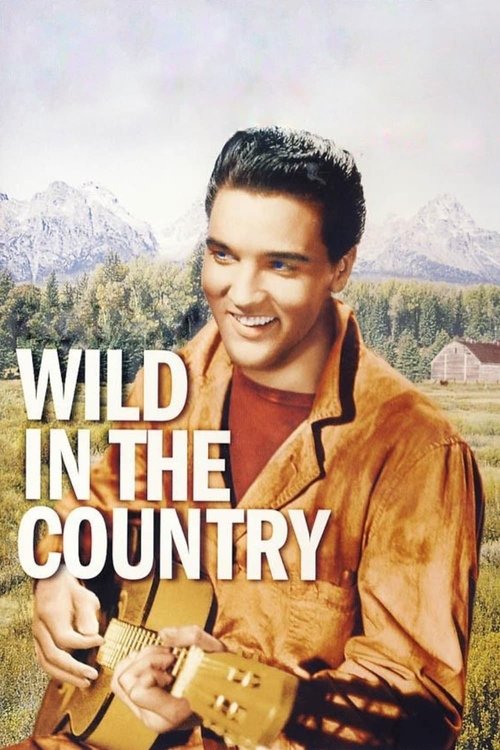 Wild in the Country (1961)
 Ada (1961)
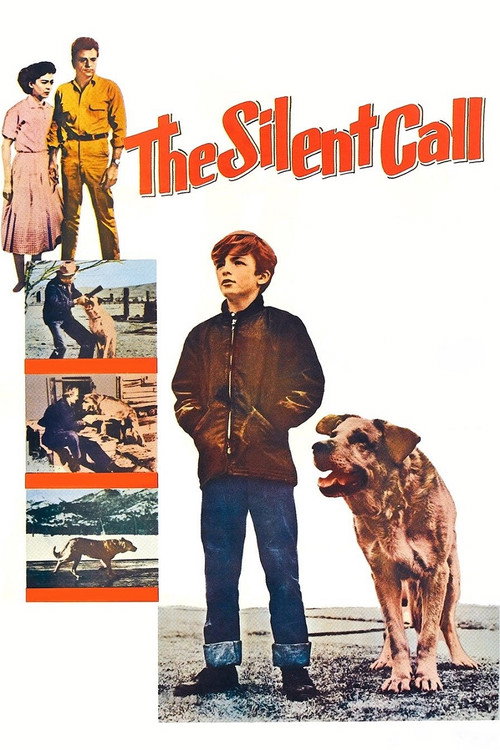 The Silent Call (1961)
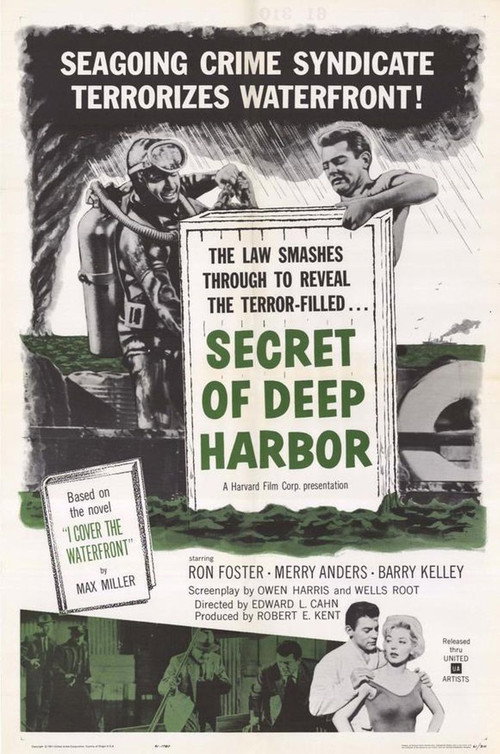 Secret of Deep Harbor (1961)
- More like this film, on a shelf you can walk up to.It's the lit case on the top shelf.