Louisiana Diary (1963)
- Country
- United States
The catalogue in 3D
The film shelves have a room of their own that you can walk around in. The cat behind the counter is the AI Catbot, and they pick real films from the same catalogue when you tell them what you feel like watching. Nothing is for sale, here or in there. Go in from here and this film is already out on the counter, with more like it waiting on the shelf next to it.
How it feels
This 1963 documentary follows the Congress of Racial Equality during a voter registration drive in Plaquemine, Louisiana. It shows activist meetings, canvassing, a march, and police actions. A postscript notes the first successful Black voter registration in a nearby parish.
documentaryobservationalarchivalhistoricseriousinformativeground-level
What happens
Louisiana Diary is a documentary film produced and directed by KQED (TV)'s Richard O. Moore for National Educational Television in 1963. It was first aired in 1964. Copyright to this film is held by Public Broadcasting Service TV station WNET, based in New York City. It follows the Congress of Racial Equality (CORE) from July to August 1963, as they undertake an African American voter registration drive in the town of Plaquemine, Louisiana (Iberville Parish). The film includes scenes of citizens undergoing mock interrogations at voter education clinics; CORE members canvassing from house to house; civil rights meetings in Baptist Churches; a mass march and vigil; police tear gassing crowds and making arrests; interviews with Ronnie Moore (Field Secretary for CORE in Louisiana) and Mama Joe Homes; a speech by James Farmer (National Secretary of CORE), and views of a Plaquemine contingent getting on a bus heading for the August 28th 1963 March on Washington. Narrated by Moore, the film adds a postscript that on October 17, 1963, Reverend Joseph Carter became the first African American who successfully registered to vote in West Feliciana Parish, Louisiana. The film captures all the aspects of the civil rights struggle in the South. The documentary covers the eight parishes that make up the largest part of Louisiana's sixth district: Iberville, East Baton Rouge, West Baton Rouge, Point Coupee, St. Helena, Tangipahoa, East Feliciana, and West Feliciana. Iberville is the film's focal point. A 16mm answer film print of Louisiana Diary was digitally restored in 2011 by the San Francisco Bay Area Television Archive, which was loaned to them by Moore. The Amistad Research Center at Tulane University in New Orleans also preserves a 16mm film print of this film. (from Wikipedia, CC BY-SA)
More like this
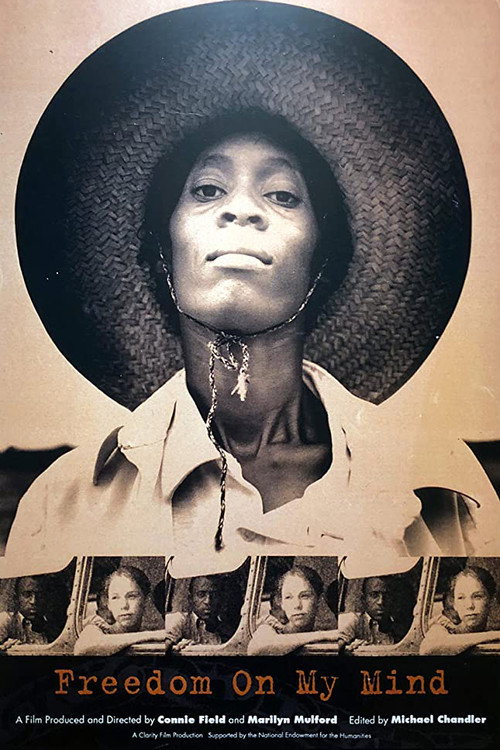 Freedom on My Mind (1994)
 Oxford, U.S.A.
 Dirt & Deeds in Mississippi (2016)
 The March (1964)
 The Five Cities of June (1963)
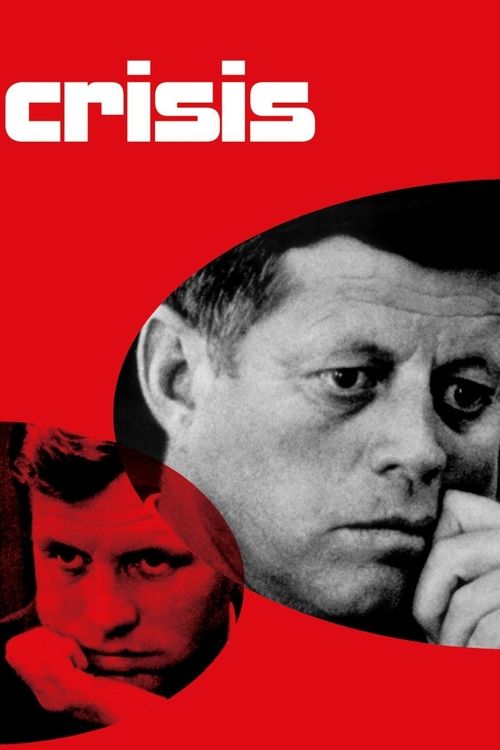 Crisis: Behind a Presidential Commitment (1963)
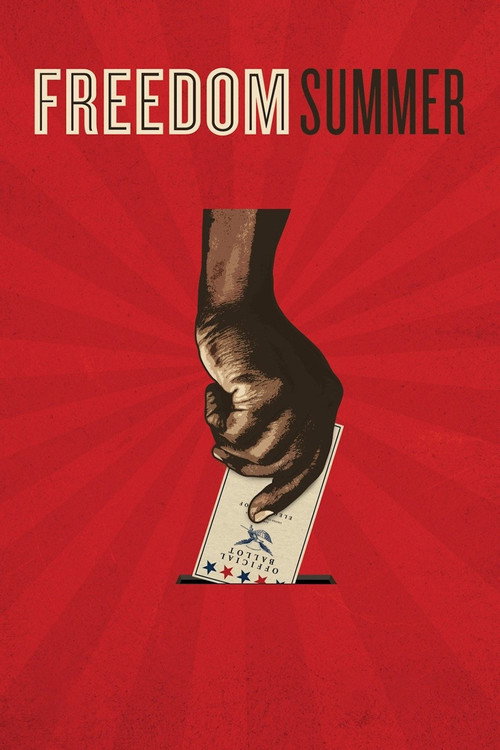 Freedom Summer (2014)
 Mighty Times: The Children's March (2004)
- More like this film, on a shelf you can walk up to.It's the lit case on the top shelf.