A Patch of Blue (1965)

- Directed by
- Guy Green
- Genre
- drama film, romance film, coming-of-age film
- Country
- United States
- Runtime
- 1h 45m
- Rated
- NR
- Rating
- 7.6 of 10 from 123 voters
- Elsewhere
- IMDb
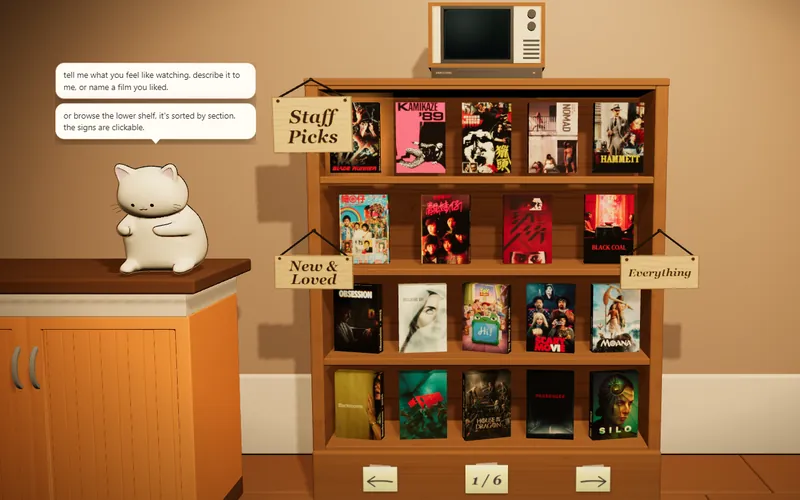
The catalogue in 3D
The film shelves have a room of their own that you can walk around in. The cat behind the counter is the AI Catbot, and they pick real films from the same catalogue when you tell them what you feel like watching. Nothing is for sale, here or in there. Go in from here and this film is already out on the counter, with more like it waiting on the shelf next to it.
How it feels
A blind white teenager escapes her abusive home by spending time with a kind black man who teaches her to read. Their friendship becomes complicated by the racism of the 1960s.
romanticpoignantrestrainedmelancholicquiettensesincerehopeful
What happens
A Patch of Blue is a 1965 American drama film directed and written by Guy Green about the friendship between an educated black man (played by Sidney Poitier) and an illiterate, blind, white 18-year-old girl (played by Elizabeth Hartman in her film debut), and the problems that plague their friendship in a racially divided America. Made in 1965 against the backdrop of the growing civil rights movement, the film explores racism while playing on the idea that "love is blind." Shelley Winters won the Academy Award for Best Supporting Actress, her second win for the award, following her victory in 1959 for The Diary of Anne Frank. It was the final screen appearance for veteran actor Wallace Ford. Scenes of Poitier and Hartman kissing were cut from the film when it was shown in film theaters in the Southern United States. These scenes are intact in the DVD version. According to the DVD audio commentary, it was the decision of director Guy Green that A Patch of Blue be filmed in black and white although color was available. The film was adapted by Guy Green from the 1961 book Be Ready with Bells and Drums by the Australian author Elizabeth Kata. The book later won a Writers Guild of America award. The book's plot has a slightly less optimistic ending than the film. In addition to the Best Supporting Actress win for Winters, the film was nominated for Academy Awards for Best Actress in a Leading Role (Elizabeth Hartman), Best Art Direction-Set Decoration (Black-and-White) (George Davis, Urie McCleary, Henry Grace, Charles S. Thompson), Best Cinematography (Black-and-White) and Best Music (Original Music Score). Hartman, 22 at the time, was the youngest Best Actress nominee, a record she held for 10 years before 20-year-old Isabelle Adjani broke her record in 1975. (from Wikipedia, CC BY-SA)
More like this
 High Yellow (1965)
 Ballad in Blue (1965)
 The Young Sinner (1965)
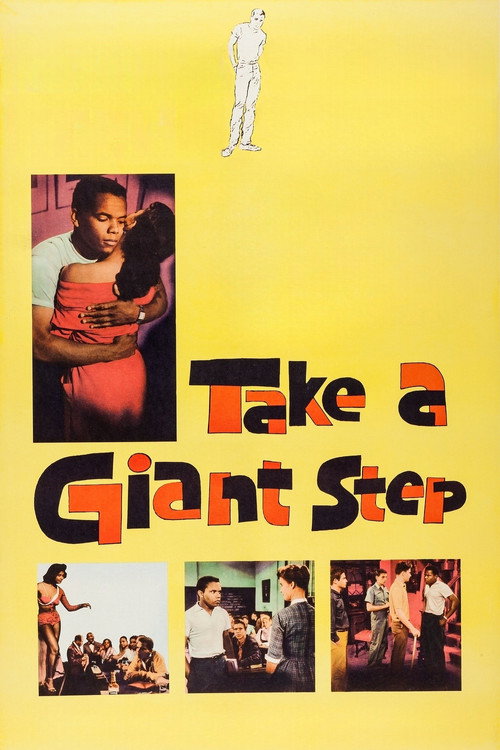 Take a Giant Step (1959)
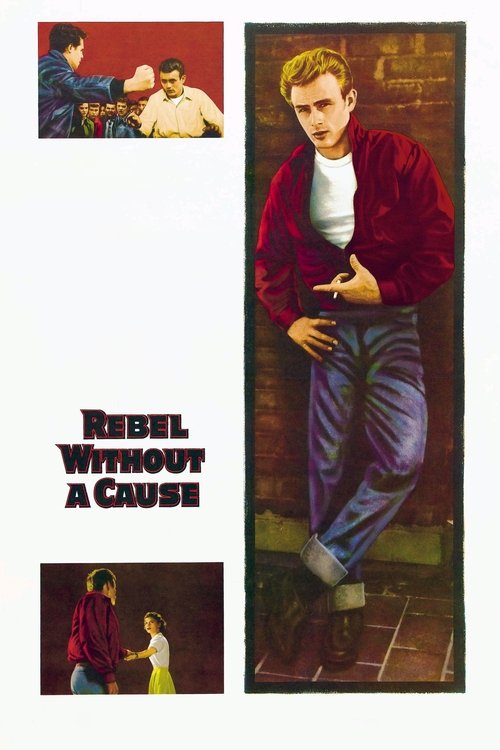 Rebel Without a Cause (1955)
 Sunset Boulevard (1950)
 Git! (1965)
 Wild Seed (1965)
- More like this film, on a shelf you can walk up to.It's the lit case on the top shelf.