Bunny Lake Is Missing (1965)
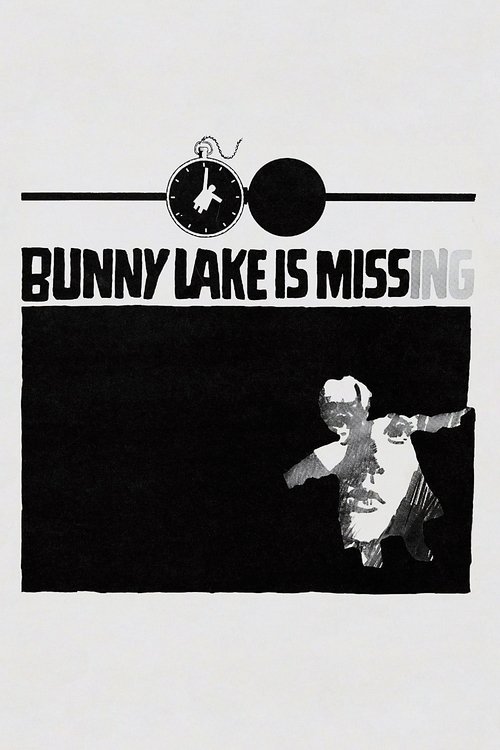
- Directed by
- Otto Preminger
- Genre
- psychological thriller, mystery film, thriller film
- Country
- United Kingdom, United States
- Runtime
- 1h 47m
- Rated
- NR
- Rating
- 7.2 of 10 from 215 voters
- Elsewhere
- IMDb
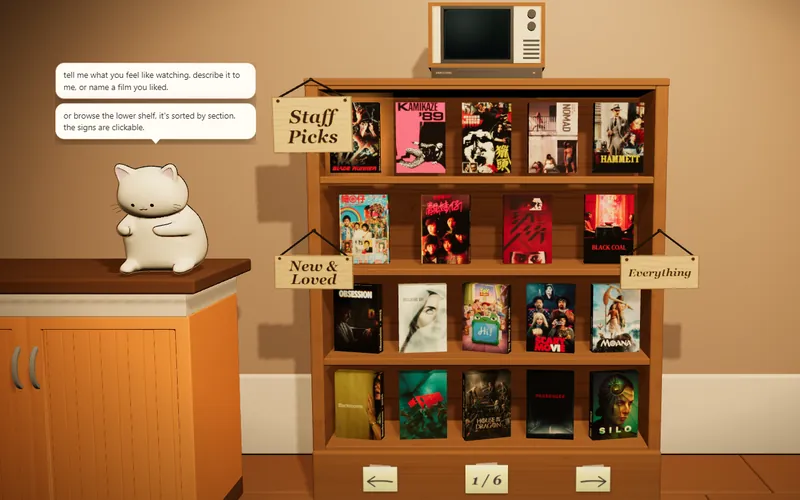
The catalogue in 3D
The film shelves have a room of their own that you can walk around in. The cat behind the counter is the AI Catbot, and they pick real films from the same catalogue when you tell them what you feel like watching. Nothing is for sale, here or in there. Go in from here and this film is already out on the counter, with more like it waiting on the shelf next to it.
How it feels
A woman in London reports her young daughter missing from her new school. The police investigate but find no evidence that the child ever existed, leaving the woman alone in her certainty.
suspensefulparanoidpuzzlingeerieclaustrophobictenseunsettlingatmospheric
What happens
Bunny Lake Is Missing is a 1965 psychological thriller mystery film directed and produced by Otto Preminger and starring Carol Lynley, Keir Dullea, and Laurence Olivier. Adapted from the 1957 novel of the same name by American writer Merriam Modell, the film follows a woman who reports her young daughter as missing, despite the fact that there seems to be no evidence she ever existed. A co-production between the United Kingdom and United States, Bunny Lake Is Missing was adapted from Modell's novel by screenwriters John and Penelope Mortimer. While the novel is set in New York City, Premiger and the Mortimers altered the film's location to London, where the film was shot on location in early 1965. The score is by Paul Glass, and the British rock band the Zombies also appear in the film. Bunny Lake Is Missing had its world premiere in New York City on 3 October 1965, with a British theatrical release following on 27 February 1966. The film received generally positive reviews from critics, and was nominated for two BAFTA Awards, in the categories of Best Art Direction and Best Cinematography. (from Wikipedia, CC BY-SA)
More like this
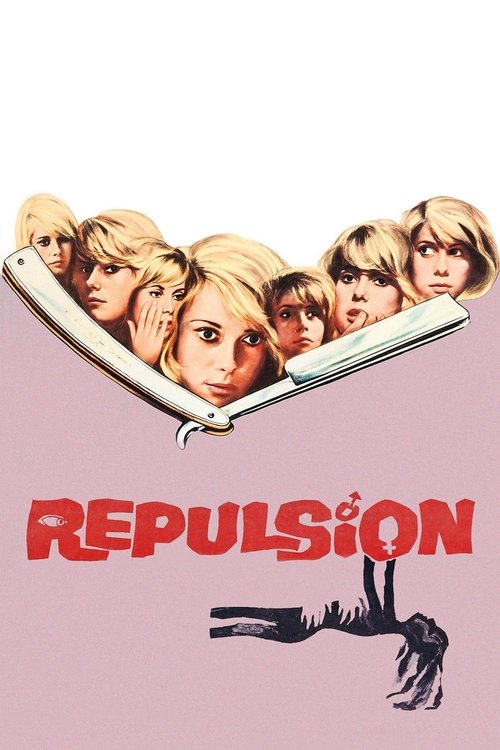 Repulsion (1965)
 The Collector (1965)
 The Nanny (1965)
 The Ipcress File (1965)
 Hysteria (1965)
 Silent Playground (1963)
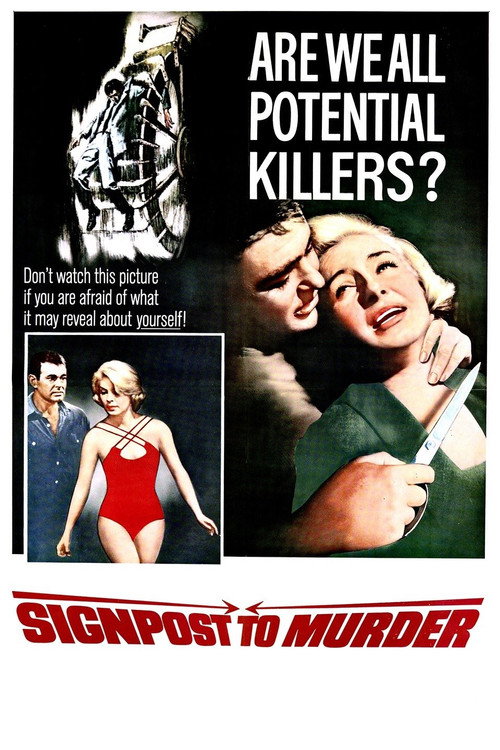 Signpost to Murder (1965)
 Two on a Guillotine (1965)
- More like this film, on a shelf you can walk up to.It's the lit case on the top shelf.