This Property Is Condemned (1966)

- Directed by
- Sydney Pollack
- Genre
- drama film, romance film
- Country
- United States
- Runtime
- 1h 50m
- Rated
- 16
- Rating
- 6.5 of 10 from 105 voters
- Elsewhere
- IMDb

The catalogue in 3D
The film shelves have a room of their own that you can walk around in. The cat behind the counter is the AI Catbot, and they pick real films from the same catalogue when you tell them what you feel like watching. Nothing is for sale, here or in there. Go in from here and this film is already out on the counter, with more like it waiting on the shelf next to it.
How it feels
During the Great Depression in a small Mississippi town, a railroad representative arrives to lay off workers. He catches the eye of a local flirt who dreams of escaping her stifling home life.
romanticmelancholicslow-burnrestlessbittersweetyearninggrittydownbeat
What happens
This Property Is Condemned is a 1966 American drama film directed by Sydney Pollack and starring Natalie Wood, Robert Redford, Kate Reid, Charles Bronson, Robert Blake, and Mary Badham. The screenplay, inspired by the 1946 one-act play of the same name by Tennessee Williams, was written by Francis Ford Coppola, Fred Coe, and Edith Sommer. The film was released by Paramount Pictures. The Depression-era story takes place in the fictional Mississippi town of Dodson. Owen Legate (Redford), a representative of the railroad that provides much of the economic base for the town, comes to Dodson on an unpopular errand. Wood plays Alva Starr, a pretty flirt who finds herself stuck in the small town and is attracted to the handsome stranger. For her performance, Wood received a Golden Globe nomination for Best Actress in a Motion Picture Drama. However, the film received mixed reviews. The film is noted for its song "Wish Me a Rainbow", written by Jay Livingston and Ray Evans, which is heard at the beginning and the ending of the film. Ed Ames, Astrud Gilberto, and Lawrence Welk have all recorded cover versions. (from Wikipedia, CC BY-SA)
More like this
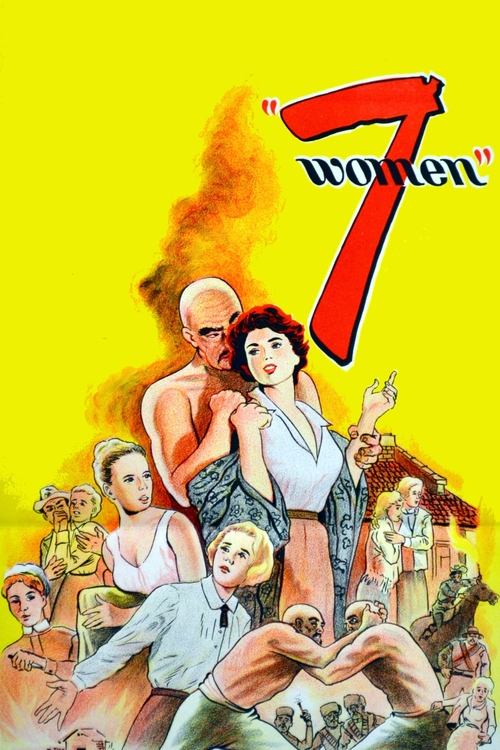 7 Women (1966)
 Noon Wine (1966)
 That Tennessee Beat (1966)
 The Three Sisters (1966)
 An American Dream (1966)
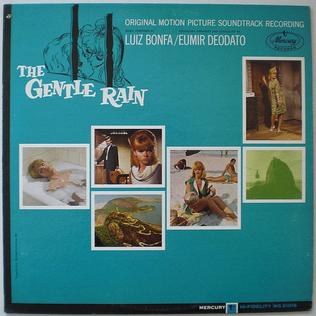 The Gentle Rain (1966)
 Mudhoney (1965)
 Old Hutch (1936)
- More like this film, on a shelf you can walk up to.It's the lit case on the top shelf.