The Battle of Algiers (1966)

- Original title
- La battaglia di Algeri
- Directed by
- Gillo Pontecorvo
- Genre
- drama film, war film, historical film
- Country
- Algeria, Italy
- Runtime
- 1h 57m
- Rated
- NR
- Rating
- 7.9 of 10 from 902 voters
- Elsewhere
- IMDb
The catalogue in 3D
The film shelves have a room of their own that you can walk around in. The cat behind the counter is the AI Catbot, and they pick real films from the same catalogue when you tell them what you feel like watching. Nothing is for sale, here or in there. Go in from here and this film is already out on the counter, with more like it waiting on the shelf next to it.
How it feels
The film follows Algerian rebels fighting French colonial forces in the 1950s. It shows the tactics of guerrilla fighters and the military crackdown including torture. The story centers on the rebel leader Ali La Pointe.
intensegrittydocumentary-likeurgentbleakvisceralsuspensefulclaustrophobic
What happens
The Battle of Algiers (French: La Bataille d'Alger; Italian: La battaglia di Algeri; Arabic: معركة الجزائر, romanized: Maʿrakat al-Jazāʾir) is a 1966 Italian-Algerian war film co-written and directed by Gillo Pontecorvo. It is based on action undertaken by rebels during the Algerian War (1954–1962) against the French government in North Africa, the most prominent being the eponymous Battle of Algiers, the capital of Algeria. It was shot on location in a Roberto Rossellini-inspired newsreel style: in black and white with documentary-type editing to add to its sense of historical authenticity, with mostly non-professional actors who had lived through the real battle. The film's score was composed by Pontecorvo and Ennio Morricone. It is often associated with Italian neorealist cinema. The film concentrates mainly on revolutionary fighter Ali La Pointe during the years between 1954 and 1957, when guerrilla fighters of the FLN went into Algiers. Their actions were met by French paratroopers attempting to regain territory. The highly dramatic film is about the organization of a guerrilla movement and the illegal methods, such as torture, used by the French to stop it. Despite the country's hardships, Algeria succeeded in gaining independence from the French, which Pontecorvo addresses in the film's epilogue. The film was met with international acclaim, and it is considered to be one of the greatest films of all time. It won the Golden Lion at the 27th Venice Film Festival among other awards and nominations. It also was nominated for the Academy Award for Best Foreign Language Film. A subject of sociopolitical controversy in France, the film was not screened in the country for five years. Insurgent groups and state authorities have considered it to be an important commentary on urban guerrilla warfare. In Sight and Sound's 2022 poll of the greatest films of all time, it ranked 45th on the critics' list and 22nd with directors. In 2008, the film was included on the Italian Ministry of Cultural Heritage's 100 Italian films to be saved, a list of 100 films that "have changed the collective memory of the country between 1942 and 1978". (from Wikipedia, CC BY-SA)
More like this
 The Stranger (1967)
 The Winds of the Aures (1966)
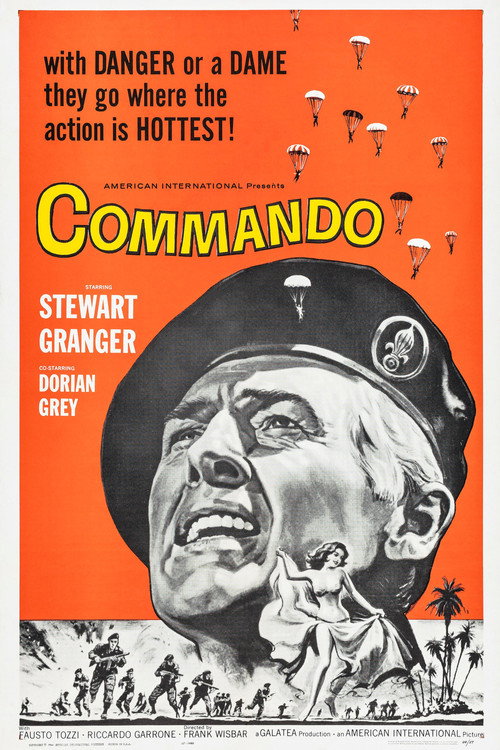 Marcia o Crepa (1962)
 Shock Troops (1967)
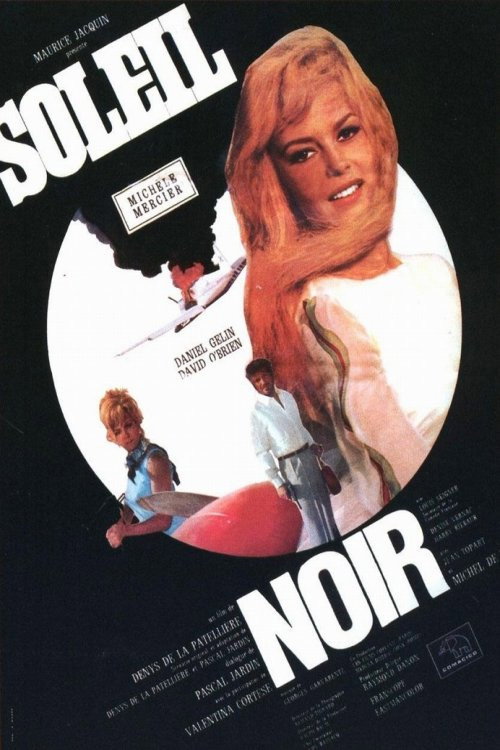 Black Sun (1966)
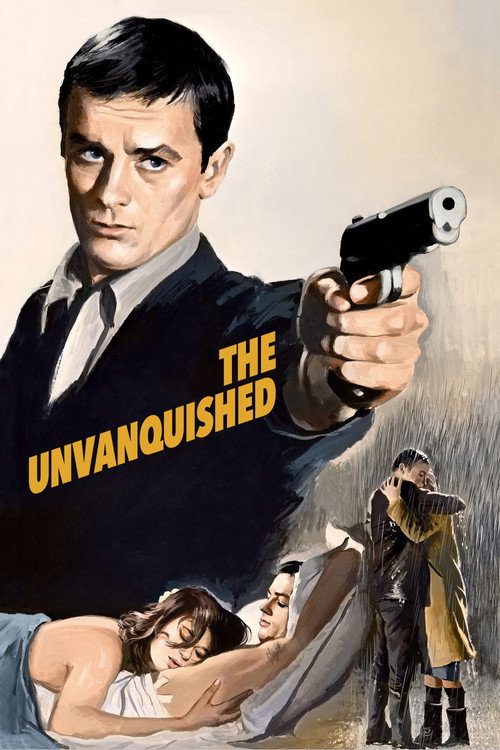 The Unvanquished (1964)
 L'Opium et le Bâton (1971)
 R.A.S. (1973)
- More like this film, on a shelf you can walk up to.It's the lit case on the top shelf.