Bonnie and Clyde (1967)

- Directed by
- Arthur Penn
- Genre
- drama film, action film, biographical film, crime film
- Country
- United States
- Runtime
- 1h 47m
- Rated
- R
- Rating
- 7.5 of 10 from 1,808 voters
- Elsewhere
- IMDb

The catalogue in 3D
The film shelves have a room of their own that you can walk around in. The cat behind the counter is the AI Catbot, and they pick real films from the same catalogue when you tell them what you feel like watching. Nothing is for sale, here or in there. Go in from here and this film is already out on the counter, with more like it waiting on the shelf next to it.
How it feels
A young couple in the Great Depression robs banks and becomes famous outlaws. The film follows their crime spree across the American South.
fast-pacedromanticrebelliousviolentthrillinggrittystylishtragic
What happens
Bonnie and Clyde is a 1967 American biographical crime drama film directed by Arthur Penn and starring Warren Beatty and Faye Dunaway as Clyde Barrow and Bonnie Parker, outlaws and romantic partners in the Great Depression-era American South. The cast also features Michael J. Pollard, Gene Hackman, and Estelle Parsons. The screenplay was written by David Newman and Robert Benton (with uncredited contributions by Beatty and Robert Towne); Beatty also produced the film. The film was released in the United States by Warner Bros.-Seven Arts on August 13, 1967. It is considered a turning point for American cinema. Initial critical reception was mixed but later swung positive, and the film became a significant commercial success, becoming one of the highest-grossing films of 1967. It was nominated for 10 Academy Awards including for Best Picture, winning Best Supporting Actress (for Estelle Parsons) and Best Cinematography (Burnett Guffey). Bonnie and Clyde is considered one of the first films of the New Hollywood era and a landmark picture. It broke many cinematic taboos, and for some members of the counterculture, the film was considered a "rallying cry." Its success prompted other filmmakers to be more open in presenting sex and violence in their films. The film's ending became famous as "one of the bloodiest death scenes in cinematic history." In 1992, it was selected for preservation in the United States National Film Registry by the Library of Congress as "culturally, historically, or aesthetically significant." It was ranked 27th on the American Film Institute's 1998 list of the 100 greatest American films of all time and 42nd on its 2007 list. (from Wikipedia, CC BY-SA)
More like this
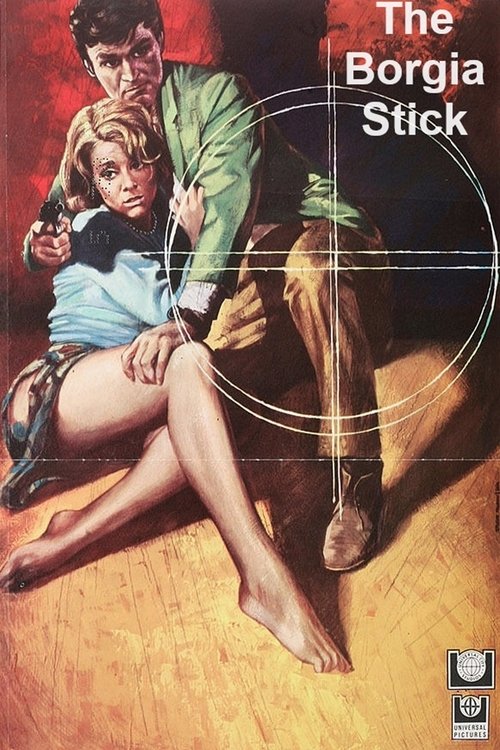 The Borgia Stick (1967)
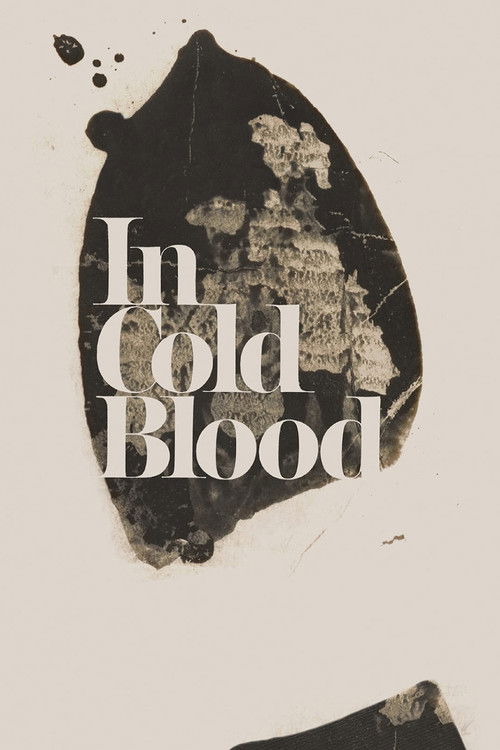 In Cold Blood (1967)
 Hot Rods to Hell (1967)
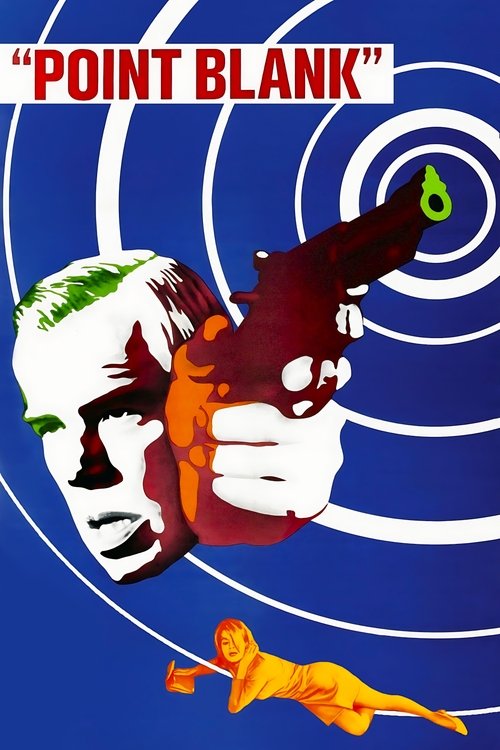 Point Blank (1967)
 Good Morning and... Goodbye! (1967)
 Kill a Dragon (1967)
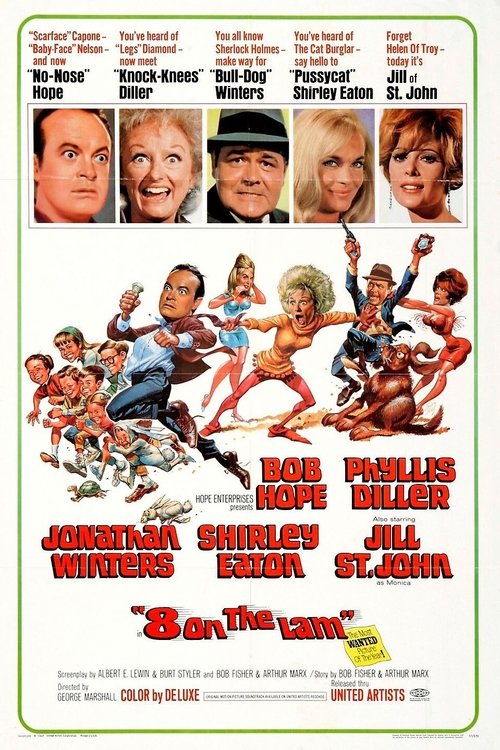 Eight on the Lam (1967)
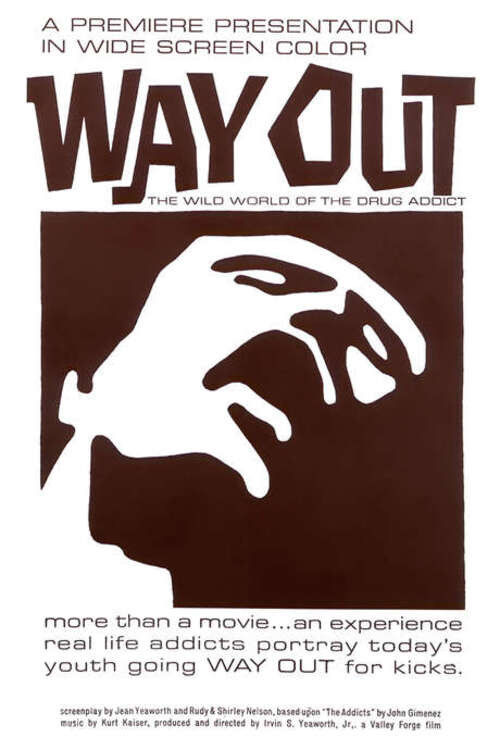 Way Out (1967)
- More like this film, on a shelf you can walk up to.It's the lit case on the top shelf.