Scenes from Under Childhood (1967)

- Directed by
- Stan Brakhage
- Genre
- independent film
- Country
- United States
- Runtime
- 2h 15m
The catalogue in 3D
The film shelves have a room of their own that you can walk around in. The cat behind the counter is the AI Catbot, and they pick real films from the same catalogue when you tell them what you feel like watching. Nothing is for sale, here or in there. Go in from here and this film is already out on the counter, with more like it waiting on the shelf next to it.
How it feels
This experimental film tries to show how a child sees the world. It has four separate sections with no dialogue. The filmmaker wanted to capture the raw emotions and perceptions of infancy and early childhood.
silentabstractcontemplativefragmentaryvisually poeticsubjectiveintimatechildlike
What happens
Scenes from Under Childhood is a series of 16mm film in four independent sections by the American experimental filmmaker Stan Brakhage produced between 1967 and 1970. All four sections are silent, though Brakhage made a version with sound available for the first section. The film is often described as an attempt by Brakhage to visualize how his children saw the world. In a 2008 Village Voice review, critic J. Hoberman wrote described the film as a "glorious, two-hour plus romantic epic." In a 1992 poll for the British film magazine Sight & Sound, experimental filmmaker Michael Snow named Scenes from Under Childhood as one of the ten greatest films of all time. When asked to describe the film, Brakhage himself wrote that it was "a visualization of the inner world of foetal beginnings, the infant, the baby, the child – a shattering of the ‘myths of childhood’ through revelation of the extremes of violent terror and overwhelming joy of that world darkened to most adults by their sentimental remembering of it… a ‘tone poem’ for the eye – very inspired by the music of Olivier Messiaen." (from Wikipedia, CC BY-SA)
More like this
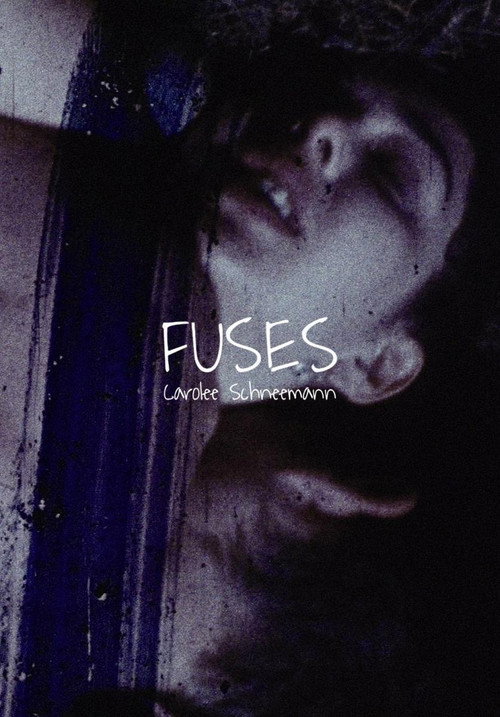 Fuses (1967)
 Penis (1965)
 Hypothèse Beta (1967)
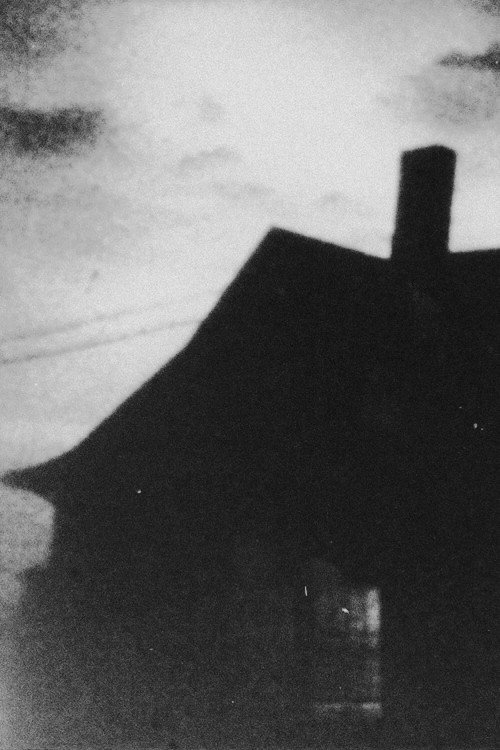 Fire of Waters (1965)
 Naissant (1967)
 Baraka (1992)
 В поту нашега образа (1967)
 Go! Go! Go! (1964)
- More like this film, on a shelf you can walk up to.It's the lit case on the top shelf.