Tonite Let's All Make Love in London (1967)

- Directed by
- Peter Whitehead
- Genre
- documentary film
- Country
- United Kingdom
- Runtime
- 1h 10m
- Rating
- 4.5 of 10 from 3 voters
- Elsewhere
- IMDb
The catalogue in 3D
The film shelves have a room of their own that you can walk around in. The cat behind the counter is the AI Catbot, and they pick real films from the same catalogue when you tell them what you feel like watching. Nothing is for sale, here or in there. Go in from here and this film is already out on the counter, with more like it waiting on the shelf next to it.
How it feels
This documentary captures the music, fashion, and counterculture of 1960s London. It shows concerts, interviews, nightclubs, street scenes, and a protest march.
nostalgicenergeticfrenetictime-capsulerawcoolfragmentedlively
What happens
Tonite Let's All Make Love in London is a 1967 British documentary film directed, written and produced by Peter Whitehead. It includes sequences of "Swinging London" with accompanying contemporary pop music, concert and studio performances by musicians including the Rolling Stones and the first professional footage filmed of Pink Floyd, and several interviews. It is notable for showing footage shot inside the short-lived UFO Club, the British counter-culture night club in the basement of 31 Tottenham Court Road, and at The 14 Hour Technicolor Dream multi-artist event held in the Great Hall of the Alexandra Palace, including John Lennon. The film also shows scenes of soldiers parading in scarlet jackets and bearskins, London street scenes, a protest march, psychedelic patterns being painted on a semi-naked girl, the arrival of Playboy Bunny girls by plane, and guests including Roman Polanski and Sharon Tate, Terence Stamp, and Jim Brown arriving at the premiere of Polanski's film Cul-de-sac (1966). The film has been described as "what for many critics was the definitive document of swinging London, a white-hot crucible of music, fashion and film." The title is taken from a line in Allen Ginsberg's poem "Who Be Kind To". (from Wikipedia, CC BY-SA)
More like this
 Teenage Rebellion (1967)
 All My Loving (1968)
 Mondo Hollywood (1967)
 See You at the Pillar (1967)
 Supershow (1969)
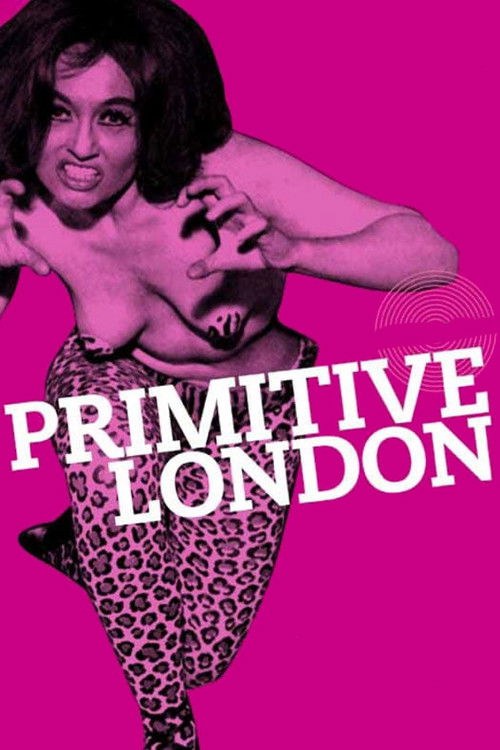 Primitive London (1965)
 Festival (1967)
 It Was Twenty Years Ago Today (1987)
- More like this film, on a shelf you can walk up to.It's the lit case on the top shelf.