Deux fois (1968)

- Directed by
- Jackie Raynal
- Genre
- drama film
- Country
- France
- Runtime
- 1h 15m
- Rating
- 4.6 of 10 from 8 voters
- Elsewhere
- IMDb
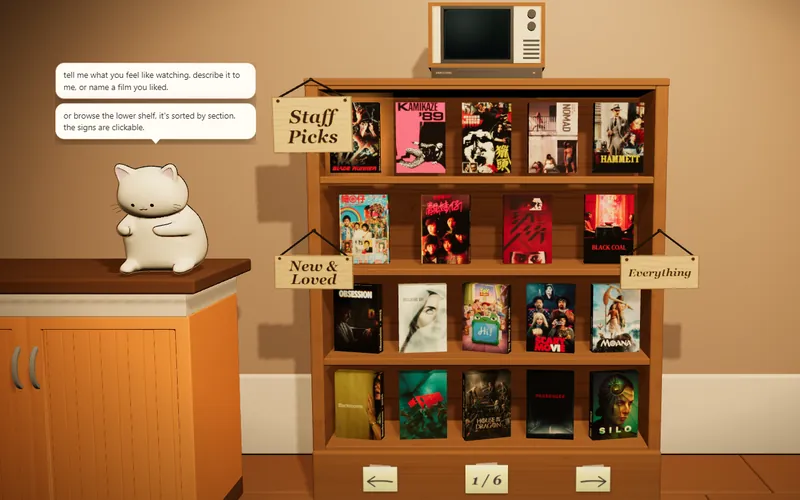
The catalogue in 3D
The film shelves have a room of their own that you can walk around in. The cat behind the counter is the AI Catbot, and they pick real films from the same catalogue when you tell them what you feel like watching. Nothing is for sale, here or in there. Go in from here and this film is already out on the counter, with more like it waiting on the shelf next to it.
How it feels
A woman navigates fragmented, repeated scenes in Barcelona. The film uses black and white visuals and unsettling rhythms to create a sense of paranoia and disorientation.
experimentalslow-burnunsettlingcerebralcolddreamlikeminimalistrepetitive
What happens
Deux fois is a 1968 experimental film by Jackie Raynal. Raynal stars in the film, her first as a director; she had previously worked for several years as a film editor, most notably for films in Éric Rohmer's "Six Moral Tales" series (she was, reportedly, the youngest professional editor in France at the time). The film's title, which literally translates as Twice and is sometimes translated into English as Twice Upon a Time, refers to the occasional repetition of scenes or actions. Gloriously shot in Black and White by Cinematographer André Weinfeld, Deux fois is one of the most notable of the Zanzibar Films, a group of feature-length experimental work made from 1968 to 1970 with the financing of Sylvina Boissonnas. It is also considered a landmark of Feminist filmmaking. Raynal made the film in nine days in Barcelona, Spain, casting a man she had met there, Francisco Viader, as one of the leads. Regarding the film, the influential French critic Serge Daney wrote: "She put in her film the visionary crazed coldness of major paranoiacs. We also find the murderous, painful madness of Fritz Lang's great films, in which all the fiction is reduced to sketchy outlines, arabesques, leaving almost no trace." M. Sellers Johnson furthers that "Deux Fois exists at the crux of conflicting aesthetics; as the work at once denies revisitation through its self-conscious death, while also signaling to spectators the value of looking at things a second time." (from Wikipedia, CC BY-SA)
More like this
 Ici et maintenant (1968)
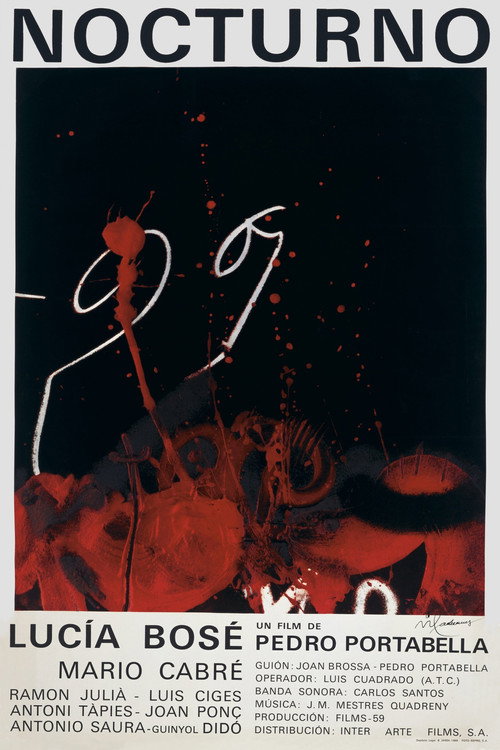 Nocturn 29 (1968)
 A Quiet Place in the Country (1968)
 Wheel of Ashes (1968)
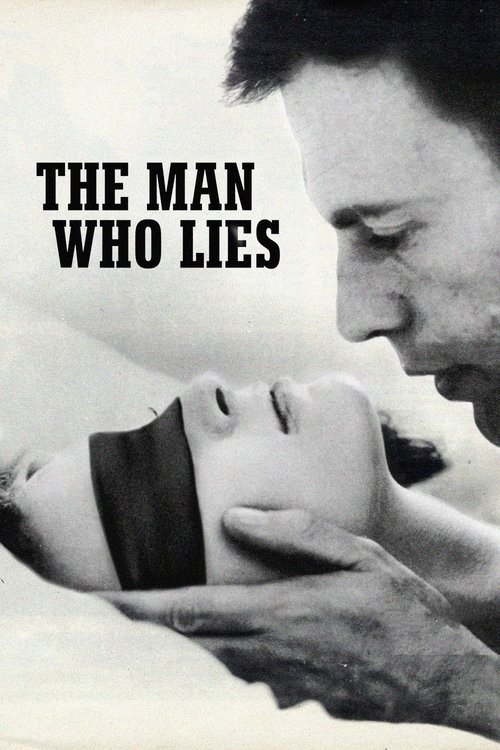 The Man Who Lies (1968)
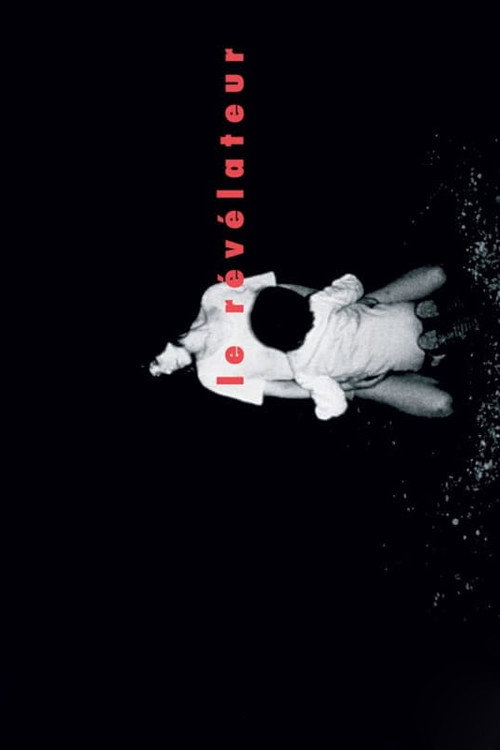 Le Révélateur (1968)
 Sexperiencias (1968)
 Les Gauloises bleues (1968)
- More like this film, on a shelf you can walk up to.It's the lit case on the top shelf.