Army of Shadows (1969)

- Original title
- L'Armée des ombres
- Directed by
- Jean-Pierre Melville
- Genre
- drama film, war film
- Country
- France, Italy
- Runtime
- 2h 18m
- Rated
- NR
- Rating
- 7.9 of 10 from 756 voters
- Elsewhere
- IMDb

The catalogue in 3D
The film shelves have a room of their own that you can walk around in. The cat behind the counter is the AI Catbot, and they pick real films from the same catalogue when you tell them what you feel like watching. Nothing is for sale, here or in there. Go in from here and this film is already out on the counter, with more like it waiting on the shelf next to it.
How it feels
The film follows a small group of French Resistance fighters during World War II. They move between safe houses, kill informers, and work with the Allies, knowing capture and execution are likely. It shows their heroism through a bleak and unglamorous lens.
gloomytensesomberslow-burnsuspensefulbleakrestrainedunromantic
What happens
Army of Shadows (French: L'Armée des ombres; Italian: L'armata degli eroi) is a 1969 Franco-Italian World War II suspense-drama film written and directed by Jean-Pierre Melville, and starring Lino Ventura, Paul Meurisse, Jean-Pierre Cassel, and Simone Signoret. It is an adaptation of Joseph Kessel's 1943 book of the same name, which mixes Kessel's experiences as a member of the French Resistance with fictional versions of other Resistance members. The film follows a small group of Resistance fighters as they move between safe houses, work with the Allied militaries, kill informers, and attempt to evade the capture and execution that they know is their most likely fate. While portraying its characters as heroic, the film presents a bleak, unromantic view of the Resistance. At the time of its initial release in France, Army of Shadows was not well-received, as, in the wake of the events of May 1968, French critics denounced it for its perceived glorification of Charles de Gaulle. American art-film programmers of the time took their cues from Cahiers du cinéma, which attacked the film on this basis, so it was not released in the United States until 2006, after a reappraisal of the film and Melville's oeuvre published in Cahiers du cinéma in the mid-1990s led to its restoration and re-release. The film was critically acclaimed in the U.S. and appeared on many critics' lists of the best films of 2006. (from Wikipedia, CC BY-SA)
More like this
 Desert Assault (1969)
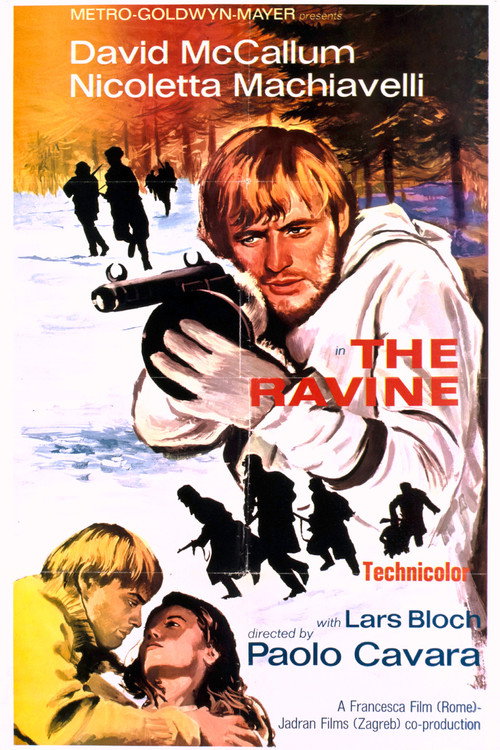 The Ravine (1969)
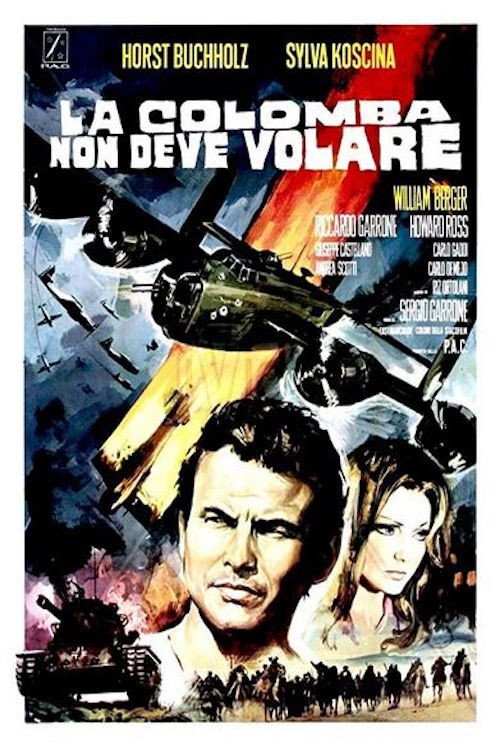 The Dove Must Not Fly (1970)
 The War Devils (1969)
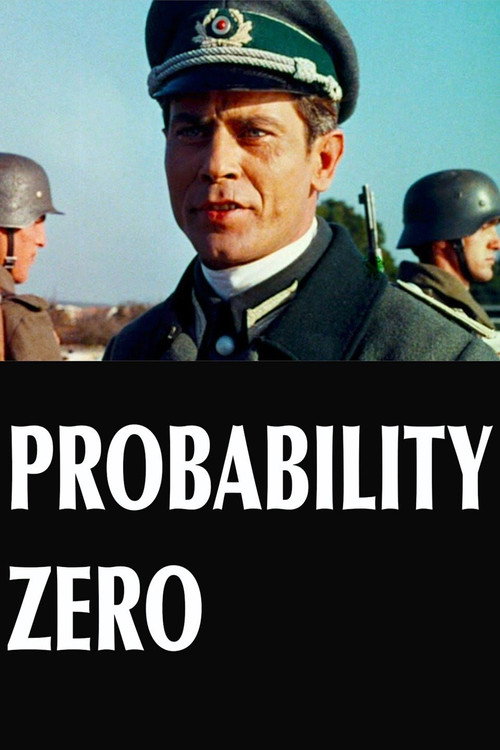 Possibility Zero (1969)
 36 ore all'inferno (1969)
 Shock Troops (1967)
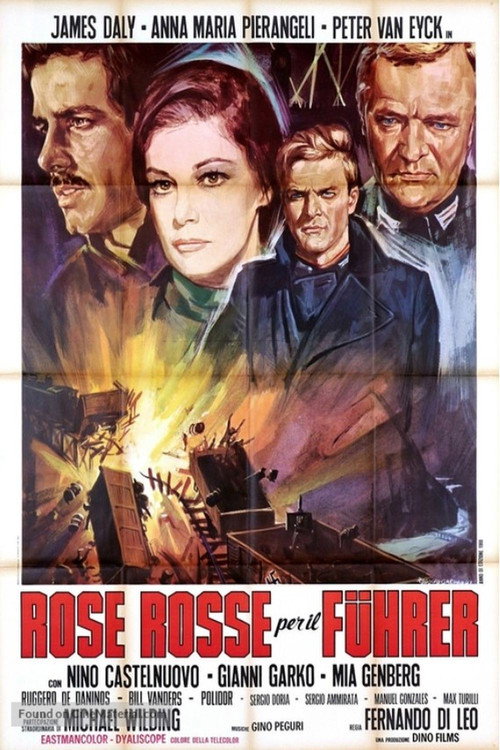 Code Name, Red Roses (1968)
- More like this film, on a shelf you can walk up to.It's the lit case on the top shelf.