Gas-s-s-s (1970)

- Original title
- Gas! -Or- It Became Necessary to Destroy the World in Order to Save It.
- Directed by
- Roger Corman
- Genre
- science fiction film, science fiction comedy, post-apocalyptic film
- Country
- United States
- Runtime
- 1h 19m
- Rated
- R
- Rating
- 4.3 of 10 from 44 voters
- Elsewhere
- IMDb

The catalogue in 3D
The film shelves have a room of their own that you can walk around in. The cat behind the counter is the AI Catbot, and they pick real films from the same catalogue when you tell them what you feel like watching. Nothing is for sale, here or in there. Go in from here and this film is already out on the counter, with more like it waiting on the shelf next to it.
How it feels
An accidental gas leak kills everyone over 25 years old. Young survivors wander through a post-apocalyptic landscape and encounter strange characters.
absurdsatiricalzanydarkly comicirreverentoffbeatdatedlow-budget
What happens
Gas-s-s-s (on-screen title: Gas! -Or- It Became Necessary to Destroy the World in Order to Save It.) is a 1970 American post-apocalyptic black comedy film directed by Roger Corman, written by George Armitage, and produced and released by American International Pictures. The plot follows survivors of an accidental military gas leak involving an experimental agent that kills everyone on Earth over the age of 25 (a cartoon title sequence shows a John Wayne-esque Army General announcing — and denouncing — the "accident"; the story picks up as the last of the victims are dying with social commentary on Medicare and Medicaid). The subtitle alludes to the 1968 quote "it became necessary to destroy the town to save it" attributed to a U.S. Army officer after the Battle of Bến Tre in Vietnam. Robert Corff and Elaine Giftos star, with Ben Vereen, Cindy Williams, Bud Cort, and Talia Shire (credited as "Tally Coppola") in early roles. Country Joe McDonald, who provides the music, makes an appearance as a spokesman for "AM Radio". It was Corman's final film for AIP as director, after a long association (although he would subsequently produce a few more films for the studio). He was unhappy as AIP made several cuts without his approval, including the removal of the final shot in which God comments on the action — a shot Corman regarded as one of the greatest he had made in his life. The movie has been called one of Corman's most personal works. (from Wikipedia, CC BY-SA)
More like this
 Five (1951)
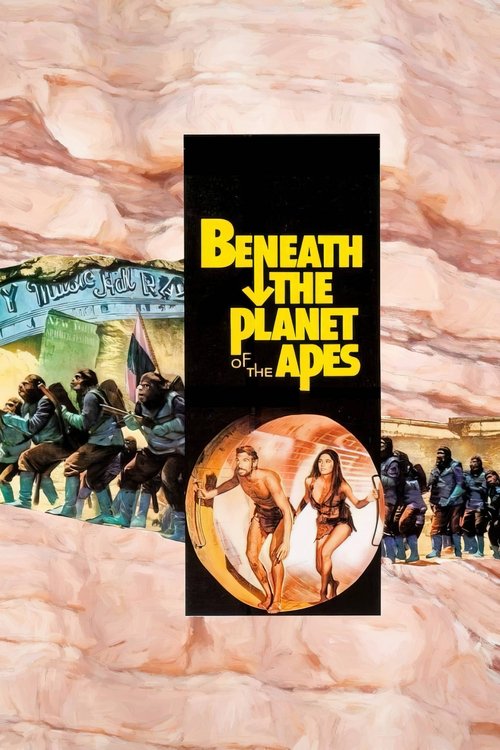 Beneath the Planet of the Apes (1970)
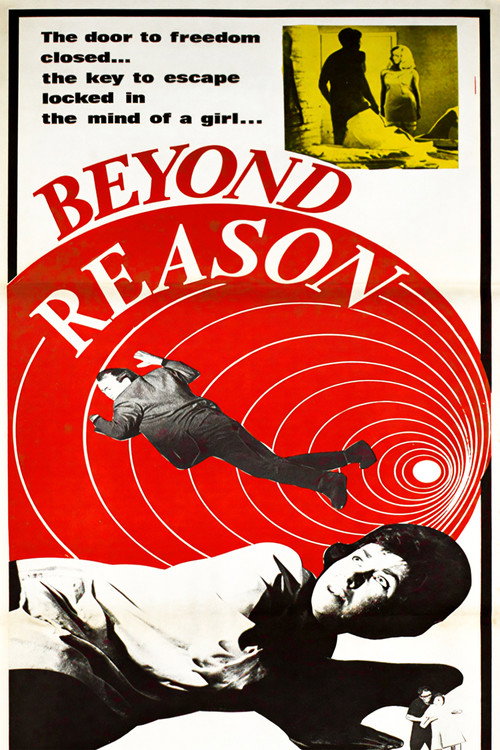 Beyond Reason (1970)
 No Blade of Grass (1970)
 A Boy and His Dog (1975)
 Getting Straight (1970)
 Skullduggery (1970)
 The Monitors (1969)
- More like this film, on a shelf you can walk up to.It's the lit case on the top shelf.