Zatoichi Meets Yojimbo (1970)

- Original title
- 座頭市と用心棒
- Directed by
- Kihachi Okamoto
- Genre
- crossover fiction
- Country
- Japan
- Runtime
- 1h 55m
- Rating
- 6.8 of 10 from 81 voters
- Elsewhere
- IMDb
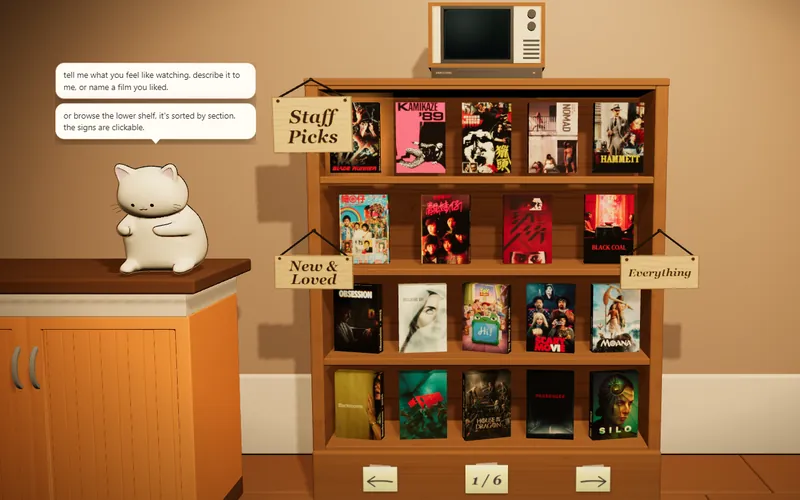
The catalogue in 3D
The film shelves have a room of their own that you can walk around in. The cat behind the counter is the AI Catbot, and they pick real films from the same catalogue when you tell them what you feel like watching. Nothing is for sale, here or in there. Go in from here and this film is already out on the counter, with more like it waiting on the shelf next to it.
How it feels
A blind swordsman and a wandering samurai with conflicting interests cross paths in a town full of criminals. Their uneasy relationship leads to a series of clashes and reluctant alliances.
stoicwrypensiveconfrontationalclassicdeliberateatmosphericdry
What happens
Zatoichi Meets Yojimbo (Japanese: 座頭市と用心棒) is a 1970 Japanese drama film directed by Kihachi Okamoto. It is the 20th of a series of films featuring the blind swordsman Zatoichi. The main character is based on a fictional character, a blind masseur and swordmaster. He was created by novelist Kan Shimozawa and set during the late Edo period (1830s and 1840s). In this film, actor Toshiro Mifune plays a similar character to Sanjuro, the rōnin (masterless samurai) in Akira Kurosawa's famous film Yojimbo (1961). Although Mifune is clearly not playing the same man (his name here is Daisaku Sasa, and his personality and background differ in many key respects), the film's title and some of its content connect him to the character, the Ronin with No Name, and the idea of the two iconic jidaigeki characters confronting each other (Machibuse, made in the same year, also stars Mifune in a role similar to that of Yojimbo). (from Wikipedia, CC BY-SA)
More like this
 The Invisible Swordsman (1970)
 Crimson Bat (1969)
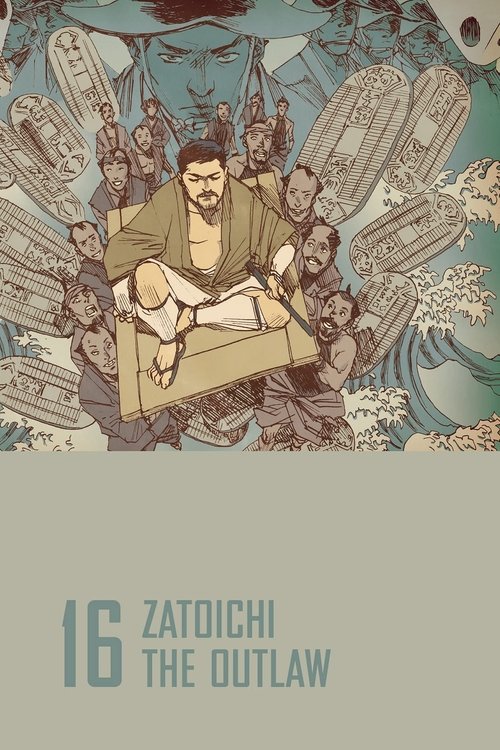 Zatoichi the Outlaw (1967)
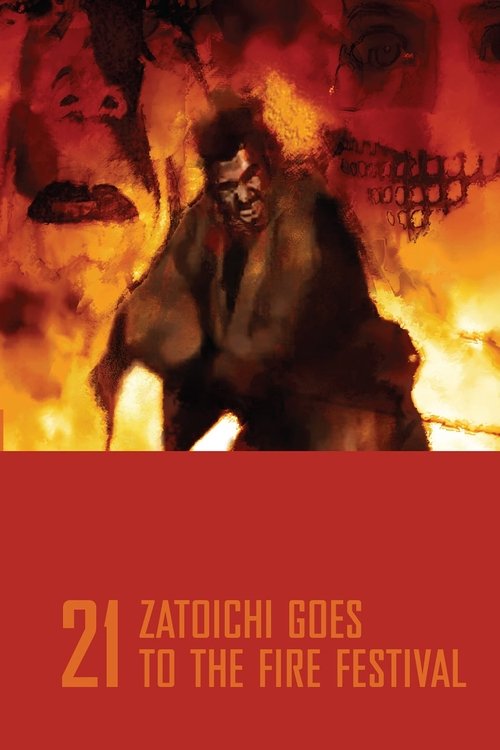 Zatoichi Goes to the Fire Festival (1970)
 Yojimbo (1961)
 Zatoichi's Vengeance (1966)
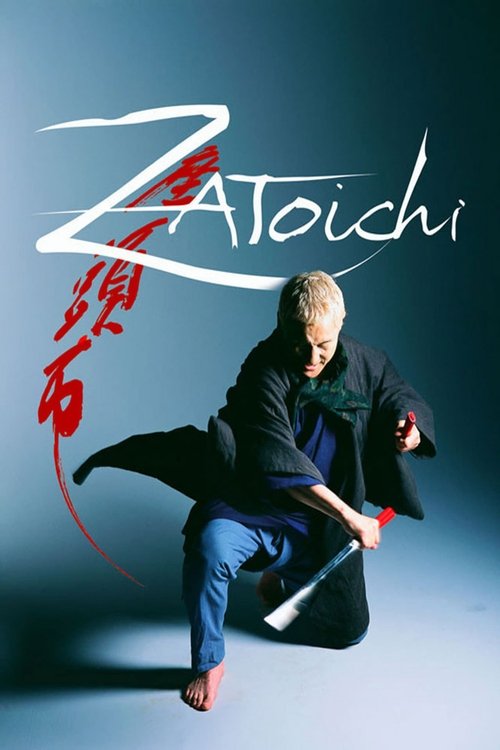 Zatōichi (2003)
 Harakiri (1962)
- More like this film, on a shelf you can walk up to.It's the lit case on the top shelf.