Daughters of Darkness (1971)

- Original title
- Les Lèvres rouges
- Directed by
- Harry Kümel
- Genre
- horror film, vampire film, satanic film, LGBTQ-related film
- Country
- Germany, France, Belgium, United States
- Runtime
- 1h 40m
- Rated
- R
- Rating
- 6.2 of 10 from 217 voters
- Elsewhere
- IMDb

The catalogue in 3D
The film shelves have a room of their own that you can walk around in. The cat behind the counter is the AI Catbot, and they pick real films from the same catalogue when you tell them what you feel like watching. Nothing is for sale, here or in there. Go in from here and this film is already out on the counter, with more like it waiting on the shelf next to it.
How it feels
A newlywed couple stays at a nearly empty seaside hotel in Belgium. They meet a mysterious Hungarian countess and her companion who draw them into a psychological and sexual game with deadly results.
eroticstylishslow-burntensesurrealglamorousunsettlingelegiac
What happens
Daughters of Darkness is a 1971 erotic horror film co-written and directed by Harry Kümel and starring Delphine Seyrig, John Karlen, Andrea Rau, and Danielle Ouimet. Set in a nearly deserted seaside hotel in Belgium, the film follows a newlywed couple who encounter a mysterious Hungarian countess, Elizabeth Báthory, and her enigmatic companion. As tensions rise, the couple is drawn into a disturbing psychological and sexual game, with fatal consequences. A surreal, stylish take on the vampire mythos, Daughters of Darkness blends gothic horror with psychological drama and eroticism. Kümel infuses the film with visual references to Marlene Dietrich and Louise Brooks, while exploring themes of gender, power, and identity. The narrative draws inspiration from historical accounts of Erzsébet Báthory, but recasts her as a seductive, controlling figure in a postwar, decadent setting. Critics have praised Seyrig's performance as the charismatic vampire countess and interpreted the story as a commentary on patriarchal control, queer desire, and the disintegration of traditional gender roles. (from Wikipedia, CC BY-SA)
More like this
 The Devil's Nightmare (1971)
 Vampyros Lesbos (1971)
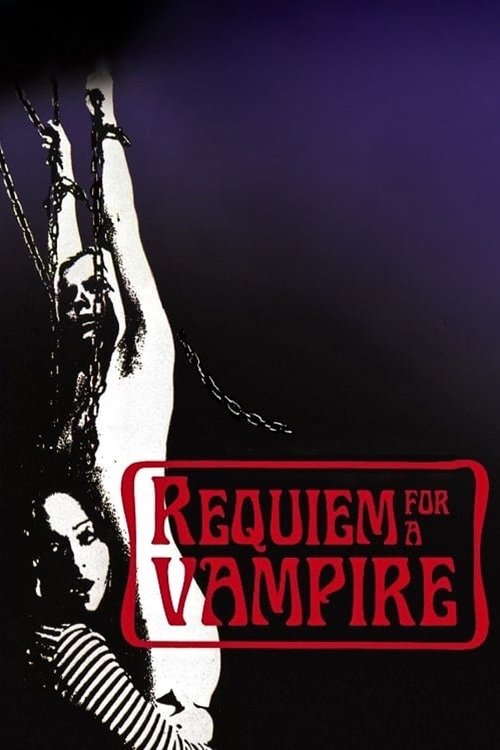 Requiem pour un Vampire (1971)
 Le Frisson des Vampires (1971)
 Don't Deliver Us from Evil (1971)
 A Virgin Among the Living Dead (1971)
 The Velvet Vampire (1971)
 The Naked Countess (1971)
- More like this film, on a shelf you can walk up to.It's the lit case on the top shelf.