Whoever Slew Auntie Roo? (1971)

- Directed by
- Curtis Harrington
- Genre
- horror film
- Country
- United Kingdom, United States
- Runtime
- 1h 29m
- Rated
- PG
- Rating
- 6.2 of 10 from 77 voters
- Elsewhere
- IMDb
The catalogue in 3D
The film shelves have a room of their own that you can walk around in. The cat behind the counter is the AI Catbot, and they pick real films from the same catalogue when you tell them what you feel like watching. Nothing is for sale, here or in there. Go in from here and this film is already out on the counter, with more like it waiting on the shelf next to it.
How it feels
An American widow living in an English manor becomes obsessed with a young orphan girl who looks like her dead daughter. She invites the girl and her brother to a Christmas party, but her intentions are darker than they seem.
eeriemacabretwistedmelancholicslow-burngothicunsettlingcampy
What happens
Whoever Slew Auntie Roo? (released in the United States as Who Slew Auntie Roo?) is a 1971 British horror thriller film directed by Curtis Harrington and starring Shelley Winters, Mark Lester, Ralph Richardson, Chloe Franks, Judy Cornwell, Michael Gothard, Hugh Griffith and Lionel Jeffries. Inspired by the fairy tale "Hansel and Gretel", the film focuses on a demented American widow (Winters) living in her husband's English manor who becomes obsessed with a young orphan girl who resembles her dead daughter. The film was co-produced by American International Pictures's British branch and Hemdale Film Corporation, and filmed at Shepperton Studios in London. It is considered part of the psycho-biddy subgenre of the 1960's and early 1970's. Director Harrington and star Winters had previously made the psycho-biddy film What's the Matter with Helen? earlier in 1971. Whoever Slew Auntie Roo? premiered in the United States before being released in Britain on 11 February 1972. It received mixed-to-positive reviews from critics. (from Wikipedia, CC BY-SA)
More like this
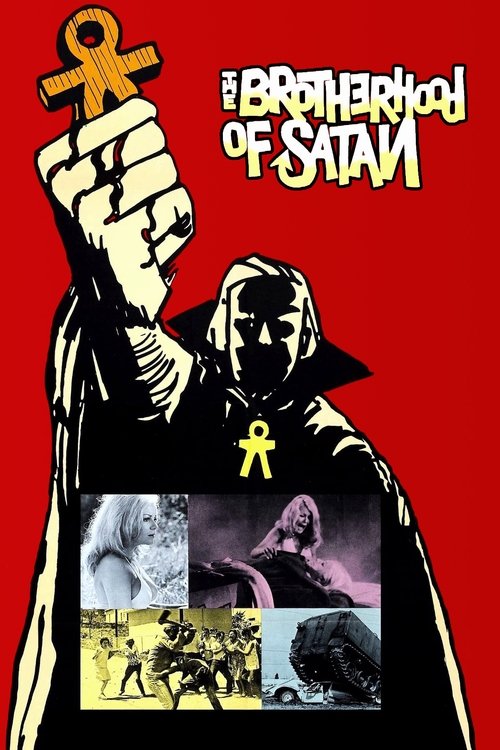 The Brotherhood of Satan (1971)
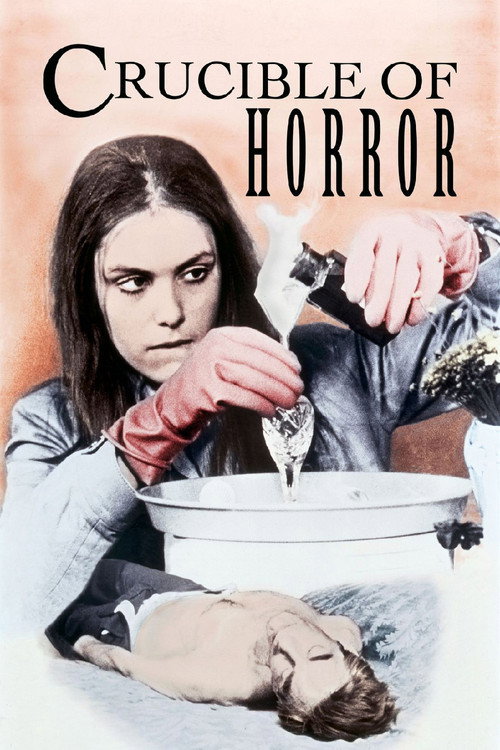 The Corpse (1971)
 Blood on Satan's Claw (1971)
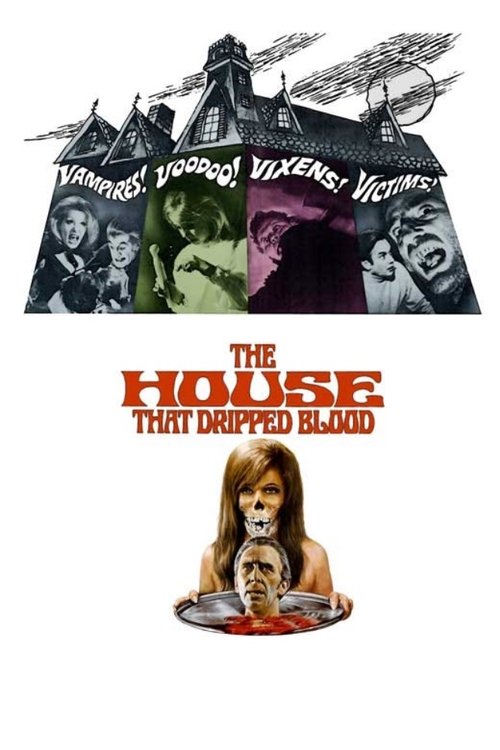 The House That Dripped Blood (1971)
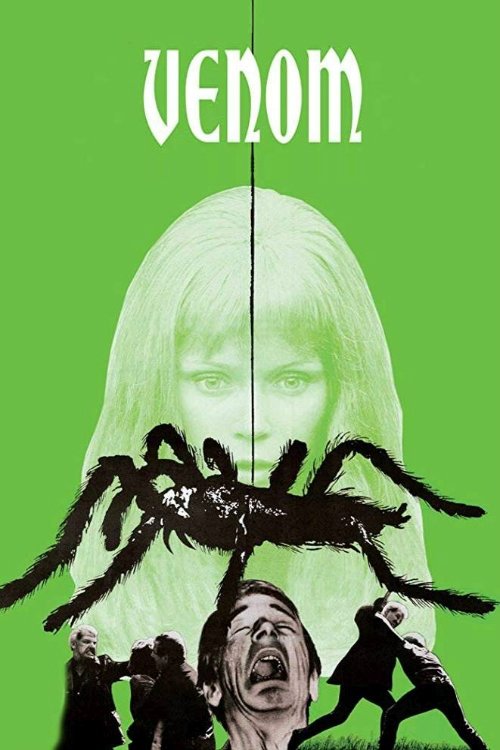 Venom (1971)
 Death by Invitation (1971)
 The Beast in the Cellar (1971)
 Black Noon (1971)
- More like this film, on a shelf you can walk up to.It's the lit case on the top shelf.