Solaris (1972)

- Original title
- Солярис
- Directed by
- Andrei Tarkovsky
- Genre
- drama film, adventure film, science fiction film, art film, arthouse science fiction film
- Country
- Soviet Union
- Runtime
- 2h 40m
- Rated
- PG
- Rating
- 7.8 of 10 from 1,853 voters
- Elsewhere
- IMDb
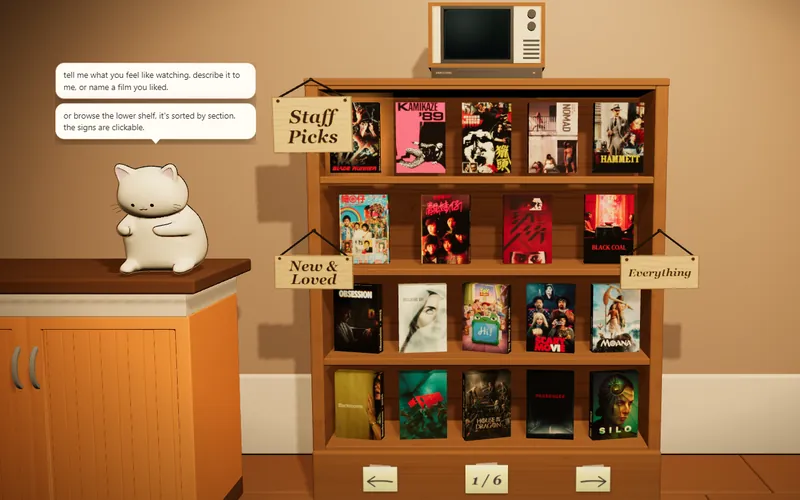
The catalogue in 3D
The film shelves have a room of their own that you can walk around in. The cat behind the counter is the AI Catbot, and they pick real films from the same catalogue when you tell them what you feel like watching. Nothing is for sale, here or in there. Go in from here and this film is already out on the counter, with more like it waiting on the shelf next to it.
How it feels
A psychologist travels to a space station orbiting the planet Solaris. The scientists there are suffering from emotional crises caused by mysterious phenomena. He soon experiences the same strange events.
contemplativeslow-burnmelancholichauntingintrospectivedreamlikecerebralunsettlingvisually lush
What happens
Solaris (Russian: Солярис, romanized: Solyaris) is a 1972 Soviet science fiction film based on Stanisław Lem's 1961 novel of the same title. The film was co-written and directed by Andrei Tarkovsky, and stars Donatas Banionis and Natalya Bondarchuk. The electronic music score was performed by Eduard Artemyev and the film also features a composition by J.S. Bach as its main theme. The plot centers on a space station orbiting the fictional planet Solaris, where a scientific mission has stalled because the skeleton crew of three scientists have fallen into emotional crises. Psychologist Kris Kelvin (Banionis) travels to the station to evaluate the situation, only to encounter the same mysterious phenomena as the others. Solaris won the Grand Prix Spécial du Jury at the 1972 Cannes Film Festival and was nominated for the Palme d'Or. It received critical acclaim, and is often cited as one of the greatest science fiction films in the history of cinema. The film was Tarkovsky's attempt to bring greater emotional depth to science fiction films; he viewed most Western works in the genre, including the recently released 2001: A Space Odyssey (1968), as shallow due to their focus on technological innovation. Some of the ideas Tarkovsky expresses in this film are further developed in his film Stalker (1979). (from Wikipedia, CC BY-SA)
More like this
 Solaris (1968)
 A Small Confession (1972)
 The Seagull (1972)
 Улица (1972)
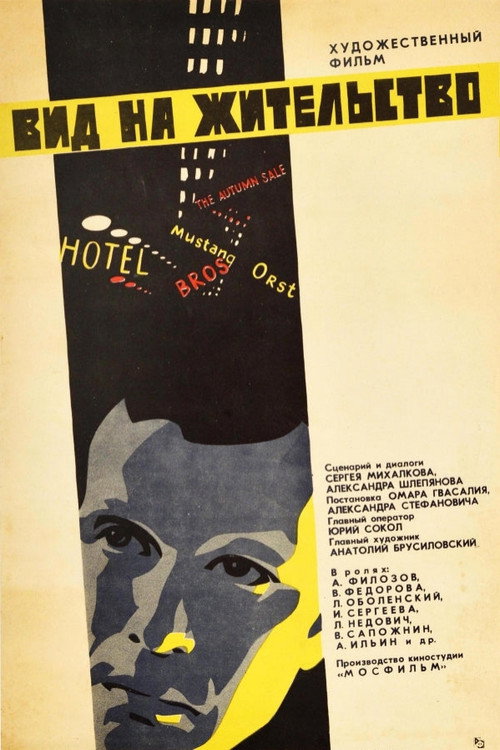 Vid na zhitelstvo (1972)
 Veekandja (1972)
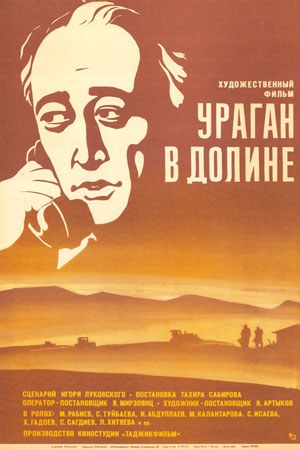 Ураган в долині (1972)
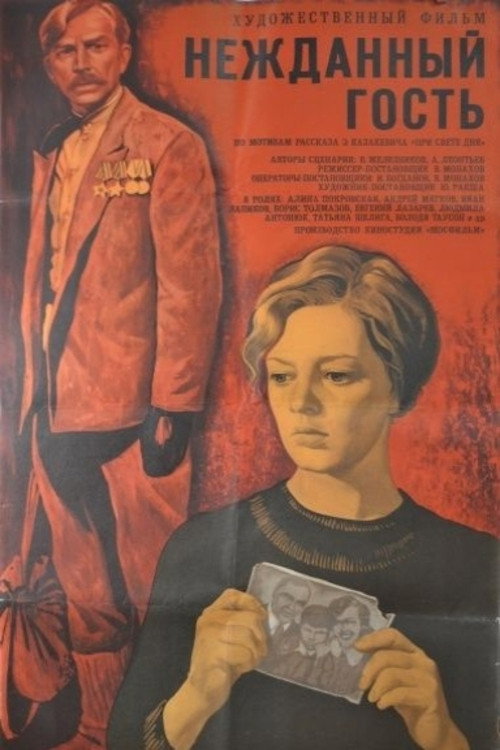 Uninvited Guest (1972)
- More like this film, on a shelf you can walk up to.It's the lit case on the top shelf.