Fritz the Cat (1972)

- Directed by
- Ralph Bakshi
- Genre
- comedy film, black comedy film, satirical film, adult animated film
- Country
- United States
- Runtime
- 1h 15m
- Rated
- NC-17
- Rating
- 6.2 of 10 from 390 voters
- Elsewhere
- IMDb

The catalogue in 3D
The film shelves have a room of their own that you can walk around in. The cat behind the counter is the AI Catbot, and they pick real films from the same catalogue when you tell them what you feel like watching. Nothing is for sale, here or in there. Go in from here and this film is already out on the counter, with more like it waiting on the shelf next to it.
How it feels
An anthropomorphic cat named Fritz drops out of college and wanders through 1960s New York City. He gets involved with protests, race riots, and political groups. The movie makes fun of college life, free love, and fake revolutionaries.
raucoussatiricalirreverentfast-pacedcynicalabsurdchaoticedgydated
What happens
Fritz the Cat is a 1972 American adult animated black comedy film written and directed by Ralph Bakshi in his directorial debut. Based on Robert Crumb's comic strip of the same name, the film focuses on its Skip Hinnant–portrayed titular character, a glib, womanizing and fraudulent cat in an anthropomorphic animal version of New York City during the mid-to-late 1960s. Fritz decides on a whim to drop out of college, interacts with inner city African American crows, unintentionally starts a race riot and becomes a leftist revolutionary. The film is a satire focusing on American college life of the era, race relations, and the free love movement, as well as serving as a criticism of the countercultural political revolution and dishonest political activists. The film had a troubled production history, as Crumb, who is a leftist, had disagreements with the filmmakers over the film's political content, which he saw as being critical of the political left. Produced on a budget of $700,000 (equivalent to $5.39 million in 2025), the film was intended by Bakshi to broaden the animation market. At that time, animation was primarily viewed as a children's medium. Bakshi envisioned animation as a medium that could tell more dramatic or satirical storylines with larger scopes, dealing with more mature and diverse themes that would resonate with adults. The film's depiction of profanity, extreme violence, sex, nudity, anti-religious humor, smoking, drinking and drug use, particularly cannabis, provoked criticism from more conservative and nationalist members of the animation industry, who accused Bakshi of attempting to produce a pornographic animated film, as the concept of adult animation was not widely understood at the time. The Motion Picture Association of America gave the film an X rating (the predecessor of the NC-17 rating), making it the first American animated film to receive the rating, which was then predominantly associated with more arthouse films. The film was highly successful, grossing over $90 million worldwide, making it one of the most successful independent films of all time. It earned significant critical acclaim in the 1970s, for its satire, social commentary and animations, despite attracting some negative response accusing it of racial stereotyping and having an unfocused plot, and criticizing its depiction of graphic violence, profanity, sex and drug use in the context of an animated film. The film's use of satire and mature themes is seen as paving the way for future animated works for adults, including The Simpsons and South Park. A sequel, The Nine Lives of Fritz the Cat (1974), was produced without Crumb's or Bakshi's involvement. (from Wikipedia, CC BY-SA)
More like this
 The Nine Lives of Fritz the Cat (1974)
 Heavy Traffic (1973)
 Magic Art (1932)
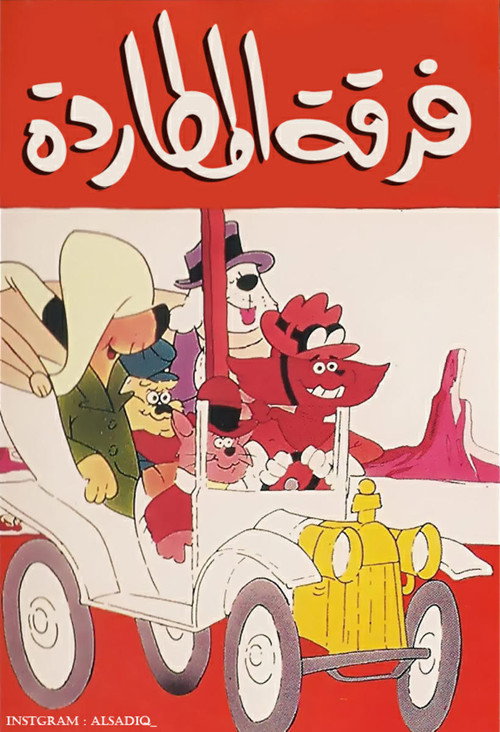 The Houndcats (1972)
 Hot Dogs for Gauguin (1972)
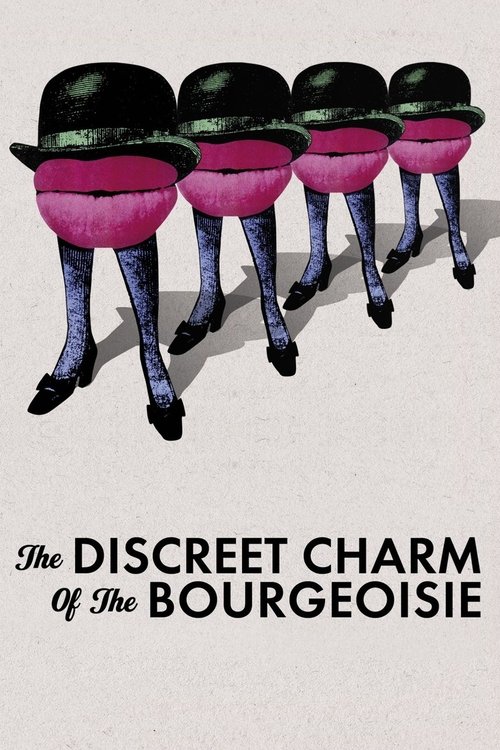 The Discreet Charm of the Bourgeoisie (1972)
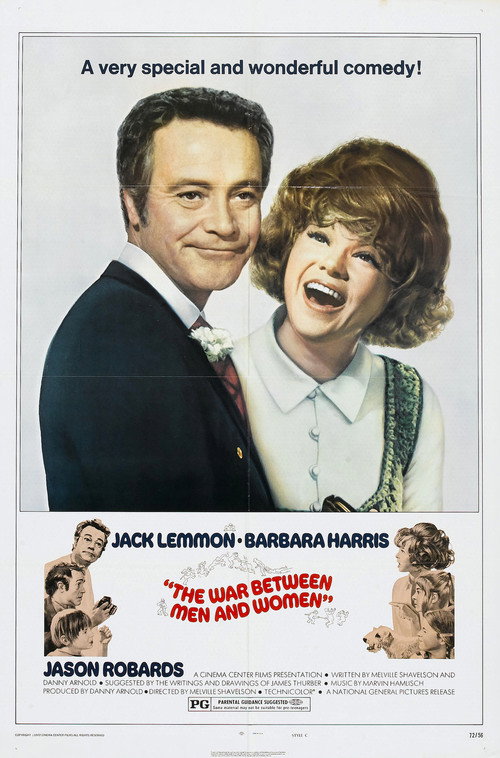 The War Between Men and Women (1972)
 Freeloading Feline (1960)
- More like this film, on a shelf you can walk up to.It's the lit case on the top shelf.