Fillmore (1972)

- Directed by
- Richard T. Heffron
- Genre
- concert film
- Country
- United States
- Runtime
- 1h 45m
- Rated
- R
- Rating
- 7.0 of 10 from 3 voters
- Elsewhere
- IMDb
The catalogue in 3D
The film shelves have a room of their own that you can walk around in. The cat behind the counter is the AI Catbot, and they pick real films from the same catalogue when you tell them what you feel like watching. Nothing is for sale, here or in there. Go in from here and this film is already out on the counter, with more like it waiting on the shelf next to it.
How it feels
This concert film captures the final shows at the Fillmore West in San Francisco in 1971. It shows performances from famous rock bands and includes behind-the-scenes footage of the concert promoter and the local music scene.
nostalgicenergeticdocumentary-styleretroliveobservationalhistoricraw
What happens
Fillmore — also known as Fillmore: The Last Days, and as Last Days of the Fillmore — is a music documentary film, primarily shot at the Fillmore West auditorium in San Francisco, California, from June 29 through July 4, 1971. It was released on June 14, 1972. Fillmore documents the final run of concerts at the Fillmore West, which closed after these shows. It features performances by several rock bands that emerged from the San Francisco music scene of the late 1960s and early 1970s, including Santana, the Grateful Dead, Jefferson Airplane, Hot Tuna, and Quicksilver Messenger Service. The film also contains extensive footage of concert promoter Bill Graham, who organized the concerts and ran the Fillmore West. Additionally, the film includes documentary footage shot several years earlier in and around San Francisco, showing the emergence of the music scene there amid the counterculture of the 1960s and the hippie movement. Fillmore was shot on 16 mm film and was released in a widescreen format with a 2.35:1 aspect ratio. It makes frequent use of split-screen images. (from Wikipedia, CC BY-SA)
More like this
 Sunshine Daydream (1972)
 Elvis on Tour (1972)
 The Beatles: Eight Days a Week (2016)
 Let the Good Times Roll (1973)
 Stop Making Sense (1984)
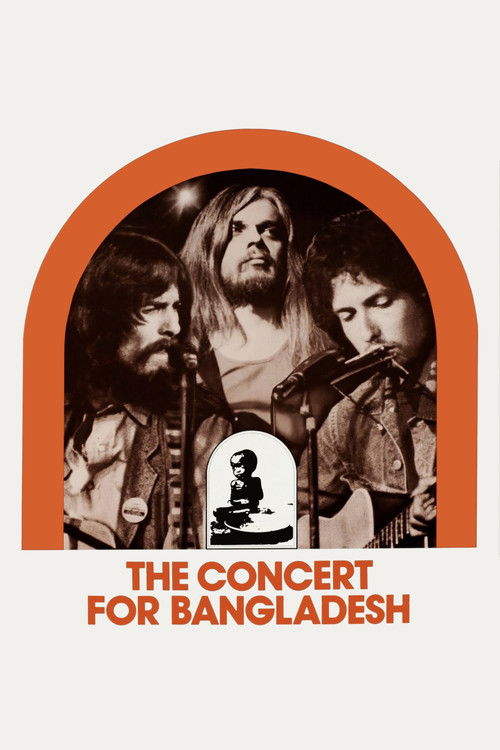 The Concert for Bangladesh (1972)
 The Who Live In Texas '75 (2012)
 The London Rock and Roll Show (1973)
- More like this film, on a shelf you can walk up to.It's the lit case on the top shelf.