Pinjra (1972)

- Original title
- पिंजरा
- Directed by
- V. Shantaram
- Genre
- musical film
- Country
- India
- Runtime
- 2h 55m
- Rated
- U
- Rating
- 9.5 of 10 from 4 voters
- Elsewhere
- IMDb
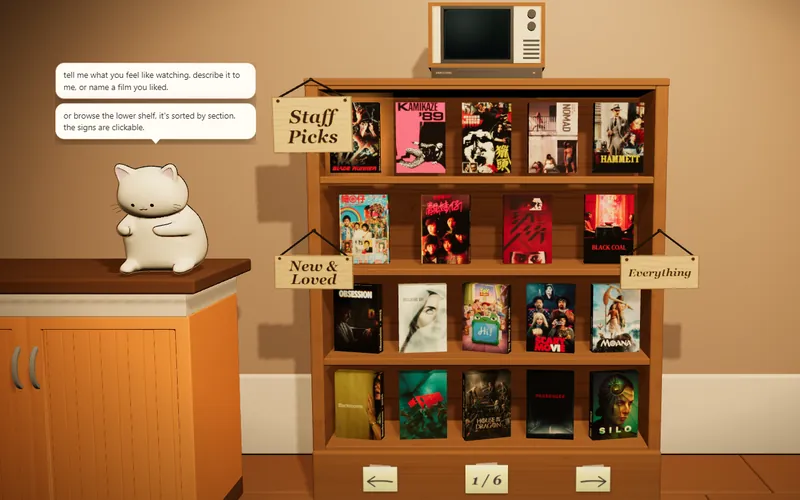
The catalogue in 3D
The film shelves have a room of their own that you can walk around in. The cat behind the counter is the AI Catbot, and they pick real films from the same catalogue when you tell them what you feel like watching. Nothing is for sale, here or in there. Go in from here and this film is already out on the counter, with more like it waiting on the shelf next to it.
How it feels
A morally strict school teacher tries to reform a performer in the Tamasha folk theater troupe. He ends up falling in love with her instead. The film is a musical adaptation of a classic novel set in India.
melodramaticromanticmusicalearnestpassionateclassicstagey
What happens
Pinjara (transl. Cage) is a 1972 Indian Marathi-language film directed and produced by V. Shantaram, starring Shriram Lagoo and Sandhya in the lead roles. In 1972, the film was also released in Hindi with the same title. Set in the Tamasha folk musical theatre of Maharashtra, the film is about a morally righteous school teacher, Lagoo, who wants to reform a Tamasha performer, played by Sandhya, but ends up falling in love with her. It is an adaptation of Heinrich Mann's 1905 novel Professor Unrat (Professor Garbage). The film is known for its music and dance numbers with music by Ram Kadam. The lead actress is Sandhya, known for her dancing prowess. It is also the film debut of noted theatre actor Shriram Lagoo. The film was remade by Shantaram in Hindi with same cast and title, and even the songs like "Mala Lagali Kunachi Uchaki", which were a big hit in the Marathi version, were re-recorded in the Hindi version. This was the last major film by the veteran director, who had made classics like Duniya Na Mane (1937), Do Aankhen Barah Haath (1957) and Navrang (1959). Produced in colour, it was replete with catchy dance numbers sung by Lata Mangeshkar and Usha Mangeshkar. Prior to its release, one reel of the film was test-screened in the theatres, to check colour reproduction. It went on to become one of the biggest commercial successes of its time and ran for 134 weeks in Pune. This also led to the introduction of colour films in Marathi cinema. In 1973, it won the National Film Award for Best Feature Film in Marathi for the year 1972. (from Wikipedia, CC BY-SA)
More like this
 Raja Jani (1972)
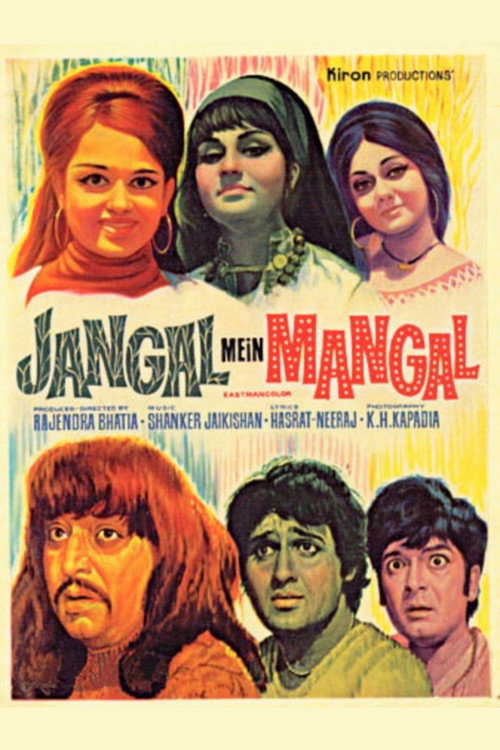 Jangal Mein Mangal (1972)
 Myladum Kunnu (1972)
 Bansi Birju (1972)
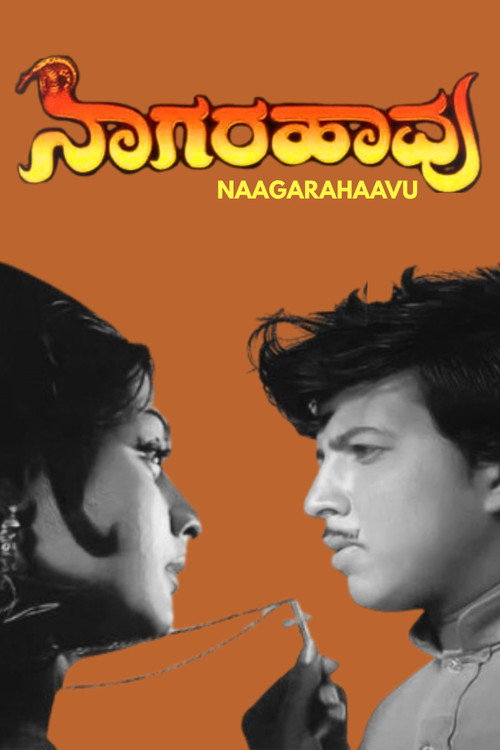 Naagarahaavu (1972)
 Naa Mechida Huduga (1972)
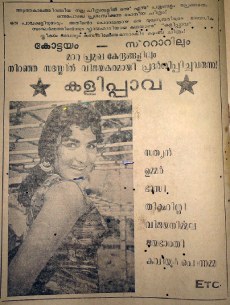 Kalippava (1972)
 Oru Sundariyude Katha (1972)
- More like this film, on a shelf you can walk up to.It's the lit case on the top shelf.