Arabian Nights (1974)

- Original title
- Il fiore delle Mille e una notte
- Directed by
- Pier Paolo Pasolini
- Genre
- drama film, fantasy film, comedy film, adventure film, cinematic fairy tale, LGBTQ-related film
- Country
- France, Italy
- Runtime
- 2h 09m
- Rated
- NC-17
- Rating
- 6.5 of 10 from 229 voters
- Elsewhere
- IMDb

The catalogue in 3D
The film shelves have a room of their own that you can walk around in. The cat behind the counter is the AI Catbot, and they pick real films from the same catalogue when you tell them what you feel like watching. Nothing is for sale, here or in there. Go in from here and this film is already out on the counter, with more like it waiting on the shelf next to it.
How it feels
This film adapts several stories from the Arabian Nights anthology, weaving them together without the traditional frame story. It follows characters through adventures involving love, sex, and slapstick humor.
eroticwhimsicalplayfulpoeticsensualepisodiclightheartedhumorous
What happens
Arabian Nights (Italian: Il fiore delle Mille e una notte, lit. 'The Flower of the One Thousand and One Nights') is a 1974 erotic fantasy comedy anthology film directed by Pier Paolo Pasolini. The film is an adaptation of the ancient Arabic anthology One Thousand and One Nights, also known as The Arabian Nights. It is mostly based on the tale Ali Shar and Zumurrud. It is the last of Pasolini's "Trilogy of Life", which began with The Decameron and continued with The Canterbury Tales. The lead was played by young Franco Merli who was discovered for this film by Pasolini. The film is an adaptation of several stories within the original collection but they are presented out of order and without the Scheherazade, Dunyazad and King Shahriyar frame story. The film contains nudity, sex, poetry, and slapstick humor. It preserves the eroticism and the story within a story structure of Arabian Nights and has been called "perhaps the best and certainly the most intelligent" of Arabian Nights film adaptations. With this film, Pasolini intended to make a film of Arabian Nights based on his 'memory of it as a boy'. In preparation for the film, Pasolini re-read the 1001 Nights with a more critical lens and chose only the stories that he felt were the most 'beautiful'. (from Wikipedia, CC BY-SA)
More like this
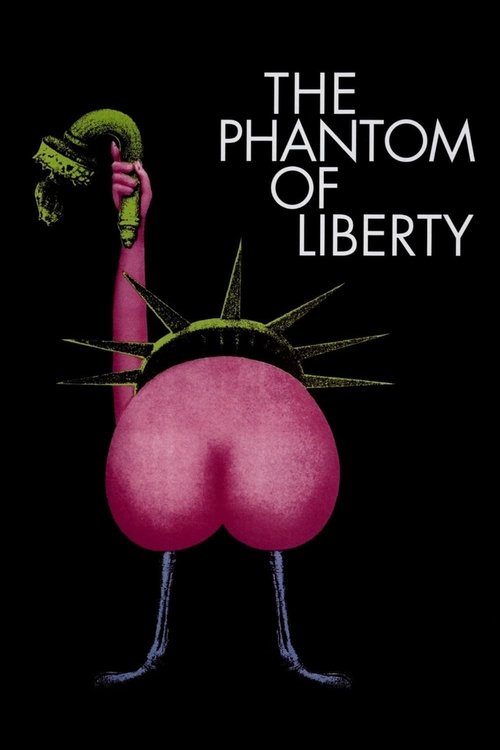 The Phantom of Liberty (1974)
 Conversation Piece (1974)
 To Love Ophelia (1974)
 The Couples of Boulogne (1974)
 Q (1974)
 Love at the Top (1974)
 Till Marriage Do Us Part (1974)
 The Beast (1974)
- More like this film, on a shelf you can walk up to.It's the lit case on the top shelf.