Welcome to L.A. (1976)

- Directed by
- Alan Rudolph
- Genre
- drama film
- Country
- United States
- Runtime
- 1h 46m
- Rated
- R
- Rating
- 5.0 of 10 from 23 voters
- Elsewhere
- IMDb

The catalogue in 3D
The film shelves have a room of their own that you can walk around in. The cat behind the counter is the AI Catbot, and they pick real films from the same catalogue when you tell them what you feel like watching. Nothing is for sale, here or in there. Go in from here and this film is already out on the counter, with more like it waiting on the shelf next to it.
How it feels
A womanizing songwriter drifts through Los Angeles, having a series of failed affairs and sexual adventures with a circle of wealthy people. The story shows the romantic despair and shallow relationships among the decadent upper class in the 1970s.
melancholicromanticslow-burnbittersweetatmosphericdisillusionedstylishemotional
What happens
Welcome to L.A. is a 1976 American drama musical romance film directed by Alan Rudolph and starring Keith Carradine and an ensemble cast. The film focuses on themes of romantic despair and shallowness in the decadent upper class during the 1970s, illustrated through a La Ronde-like circle of sexual adventures and failed affairs revolving around a womanizing songwriter, his businessman father, and their associates. It was produced by Robert Altman. Rudolph called it "a street opera... with songs as stories. Personally, the film celebrates Altman’s great influence on me. I was proud of that influence and I wanted it known, I wasn’t hiding it. Being in the shadow of a great director was a privilege, not insecurity. My voice and fingerprints were my own, perhaps too much for many people while some strongly approved of the film, some strongly didn’t." He also declared Welcome to LA was "one of the first true American independent films of the current era. It defined today’s movement, what the so-called independent label implies...Here was an American dramatic film with known actors playing in art houses and competing for national space with studio pictures. That wasn’t done then, not out of Hollywood." (from Wikipedia, CC BY-SA)
More like this
 The Last Tycoon (1976)
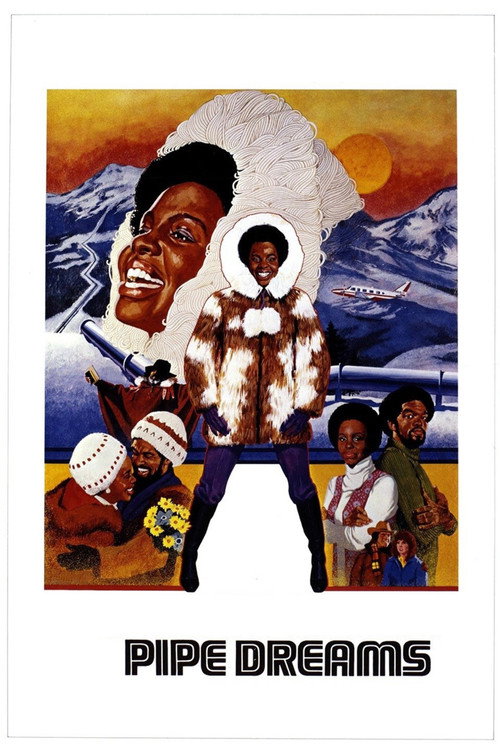 Pipe Dreams (1976)
 Idi tamo gde te ne poznaju (1976)
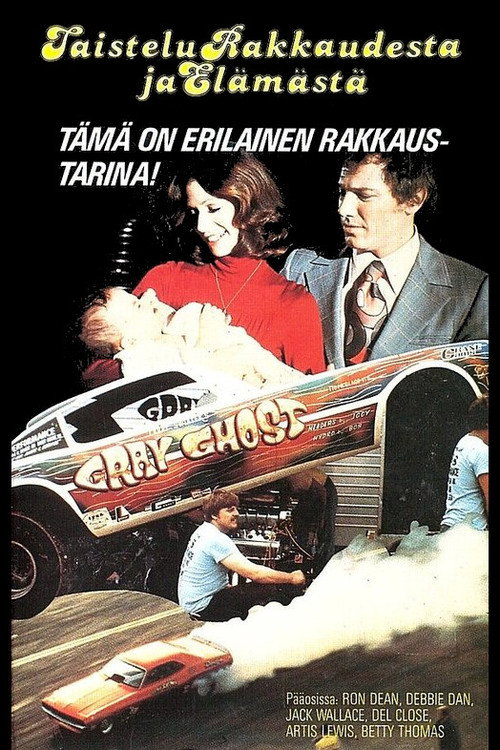 The Last Affair (1976)
 One Summer Love (1976)
 De Grey, un Récit romanesque (1976)
 Frontaš (1976)
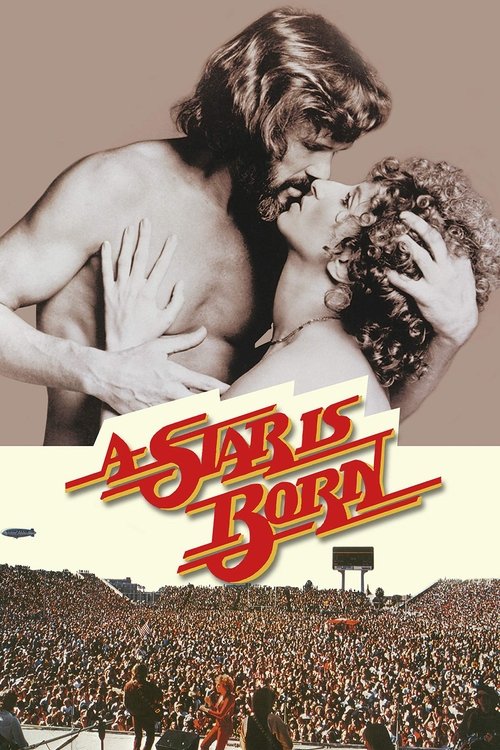 A Star Is Born (1976)
- More like this film, on a shelf you can walk up to.It's the lit case on the top shelf.