Cross of Iron (1977)

- Directed by
- Sam Peckinpah
- Genre
- drama film, war film
- Country
- Australia, Germany, United Kingdom
- Runtime
- 2h 12m
- Rated
- R
- Rating
- 7.1 of 10 from 487 voters
- Elsewhere
- IMDb
The catalogue in 3D
The film shelves have a room of their own that you can walk around in. The cat behind the counter is the AI Catbot, and they pick real films from the same catalogue when you tell them what you feel like watching. Nothing is for sale, here or in there. Go in from here and this film is already out on the counter, with more like it waiting on the shelf next to it.
How it feels
In 1943 on the Eastern Front, a German sergeant and his men fight to survive against the Soviet army. He also clashes with an aristocratic officer more concerned with personal glory than the lives of his soldiers.
bleakgrittyintensecynicalvisceralchaoticbrutalclaustrophobic
What happens
Cross of Iron (German: Steiner – Das Eiserne Kreuz, lit. 'Steiner – The Iron Cross') is a 1977 war film directed by Sam Peckinpah, featuring James Coburn, Maximilian Schell, James Mason, and David Warner. Set on the Eastern Front in World War II during the Soviets' Caucasus operations against the German Kuban bridgehead on the Taman Peninsula in late 1943, the film focuses on the class conflict between a newly arrived, aristocratic Prussian officer who covets winning the Iron Cross and a cynical, battle-hardened infantry NCO. The screenplay is based on the semi-autobiographical 1955 novel The Willing Flesh by German author Willi Heinrich. An international co-production between British and West German companies, the film's exteriors were shot on-location in Yugoslavia. The film was released in West Germany by Constantin Film on January 28, 1977, and in the United Kingdom by EMI Films on March 8. It received a mixed critical reception on initial release, though retrospective reviews have been much more positive, with some critics citing it as one of Peckinpah's best works. A sequel, Breakthrough, was released in 1979. (from Wikipedia, CC BY-SA)
More like this
 Пыль под солнцем (1977)
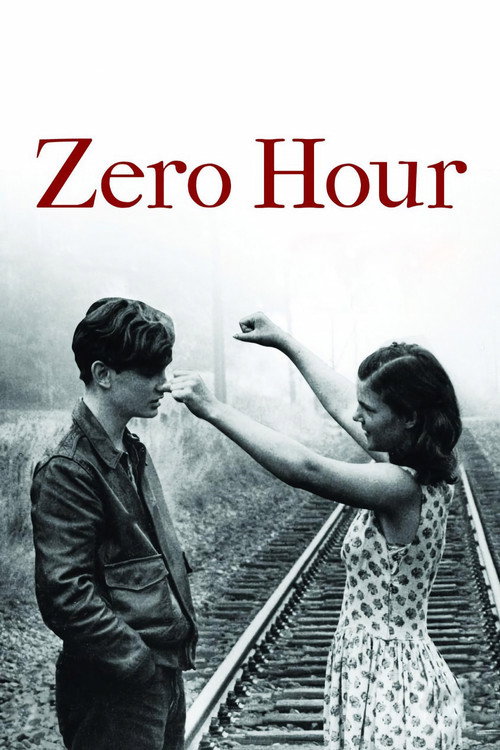 Zero Hour (1977)
 The Duellists (1977)
 The Ascent (1977)
 Blockade: The Leningrad Metronome (1977)
 Birds to birds (1977)
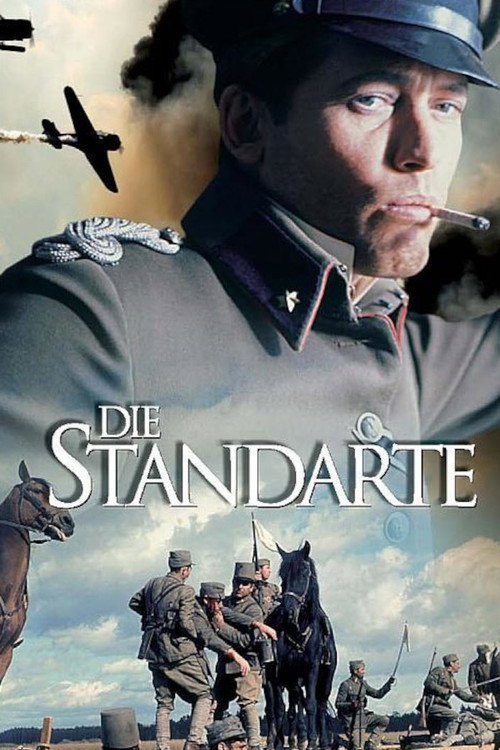 The Standard (1977)
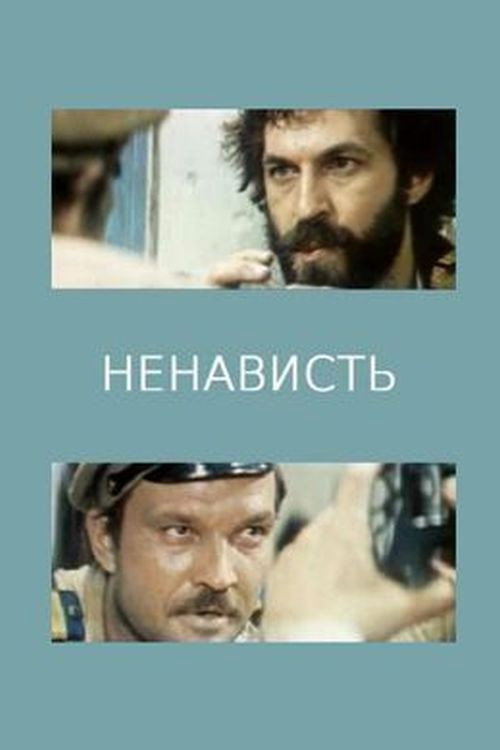 Hatred (1977)
- More like this film, on a shelf you can walk up to.It's the lit case on the top shelf.