Daana Veera Soora Karna (1977)

- Original title
- దాన వీర శూర కర్ణ
- Directed by
- N. T. Rama Rao
- Genre
- epic film
- Country
- India
- Runtime
- 3h 46m
- Rated
- U
- Rating
- 8.8 of 10 from 5 voters
- Elsewhere
- IMDb
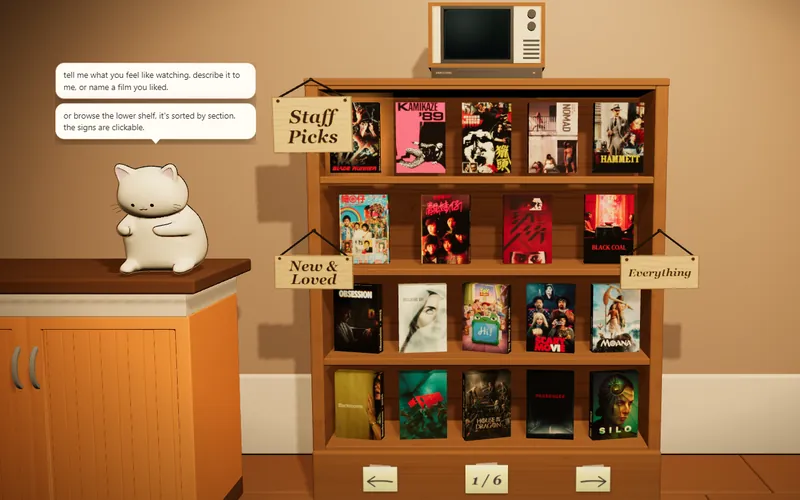
The catalogue in 3D
The film shelves have a room of their own that you can walk around in. The cat behind the counter is the AI Catbot, and they pick real films from the same catalogue when you tell them what you feel like watching. Nothing is for sale, here or in there. Go in from here and this film is already out on the counter, with more like it waiting on the shelf next to it.
How it feels
This film follows the life of Karna from the Mahabharata. It focuses on his loyalty to Prince Duryodhana and the moral challenges he faces. The story shows Duryodhana in a more positive light as a knowledgeable and loyal friend.
epicdramaticmoralloyalsympathetictraditionalstatelyheroic
What happens
Daana Veera Soora Karna (transl. Generous, heroic, and valiant Karna) is a 1977 Indian Telugu-language Hindu mythological film co-written, produced and directed by N. T. Rama Rao under his banner Ramakrishna Cine Studios. Based on the life of Karna from the Mahabharata, the film stars Rama Rao in three roles: the title character Karna, Duryodhana, and Krishna. The music was composed by Pendyala Nageswara Rao. The film focuses on Karna's life, his deep loyalty to Duryodhana, and the moral dilemmas he faces. Duryodhana, traditionally portrayed as an antagonist in the Mahabharata, is shown here in a more positive light as a knowledgeable and loyal friend to Karna. This sympathetic portrayal of Duryodhana, first introduced in Rama Rao's earlier film Sri Krishna Pandaveeyam (1966), is expanded upon in Daana Veera Soora Karna. Produced on a budget of ₹10 lakh, Daana Veera Soora Karna became a significant commercial success, emerging as the highest-grossing Telugu film of its time with a distributor share of ₹1.5–2 crore. It is regarded as a classic in Telugu mythological cinema. (from Wikipedia, CC BY-SA)
More like this
 Karnan (1964)
 Karna (1986)
 Kurukshetram (1977)
 Kurukshetra (1945)
 Maharathi Karna (1944)
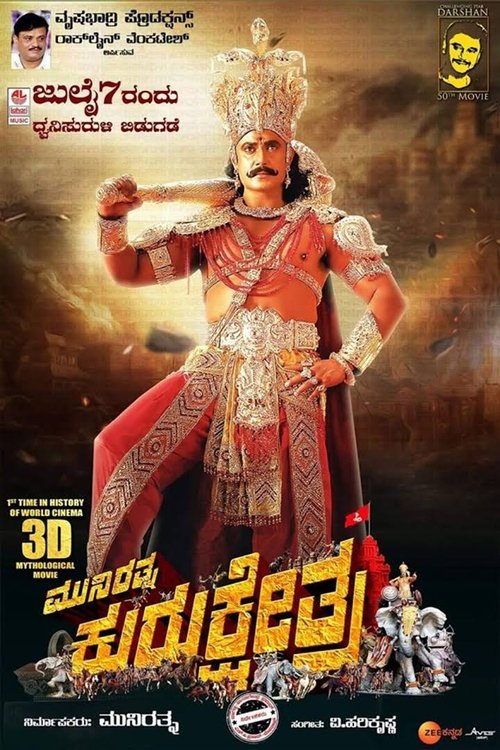 Muniratna Kurukshetra (2018)
 Babruvahana (1977)
 Yaaron Ka Yaar (1977)
- More like this film, on a shelf you can walk up to.It's the lit case on the top shelf.