The Last of the Blue Devils (1979)

- Directed by
- Bruce Ricker
- Genre
- music, documentary
- Runtime
- 1h 30m
- Rated
- R
- Rating
- 8.0 of 10 from 4 voters
- Elsewhere
- IMDb
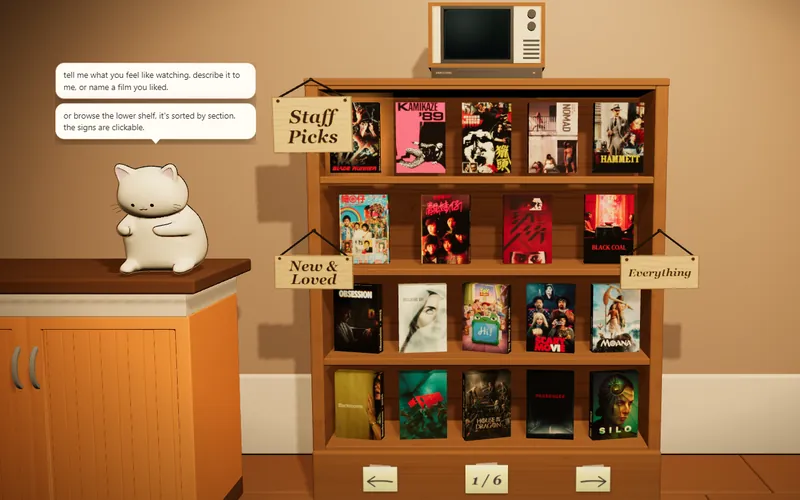
The catalogue in 3D
The film shelves have a room of their own that you can walk around in. The cat behind the counter is the AI Catbot, and they pick real films from the same catalogue when you tell them what you feel like watching. Nothing is for sale, here or in there. Go in from here and this film is already out on the counter, with more like it waiting on the shelf next to it.
How it feels
This documentary captures two informal gatherings of veteran Kansas City jazz musicians in 1974. The film features impromptu performances and conversations with legends like Count Basie and Big Joe Turner.
nostalgicwarminformallivelyreverentrelaxedspontaneous
What happens
The Last of the Blue Devils, subtitled The Kansas City Jazz Story, is a 1979 film documentary with notable figures from the history of Kansas City jazz starring Count Basie and Big Joe Turner. The film was produced and directed by Bruce Ricker. The film was made at a two musical gatherings of old Kansas City hands in 1974 at the Mutual Musicians Foundation, the Kansas City African-American Musician's Union, and consists largely of impromptu musical performances by Turner, Basie, Jay McShann, Jimmy Forrest, and Ernie Williams in various combinations, as well as film from a concert by the full Count Basie Orchestra at the University of Kansas in Lawrence. The Blue Devils of the title were the Oklahoma City Blue Devils a travelling band of the 1930s founded by bassist Walter Page that included Basie, Lester Young, Buster Smith and Oran "Hot Lips" Page. Many of the same musicians ended up in the Bennie Moten Orchestra which ultimately became the Count Basie band. Songs in the film include "One O'Clock Jump", "Honey Hush", "Rose Garden", "Chains of Love", "Shake, Rattle and Roll", and a performance by the Basie Orchestra of "Night Train" featuring a lengthy improvisation on tenor saxophone by the song's writer, Jimmy Forrest. (from Wikipedia, CC BY-SA)
More like this
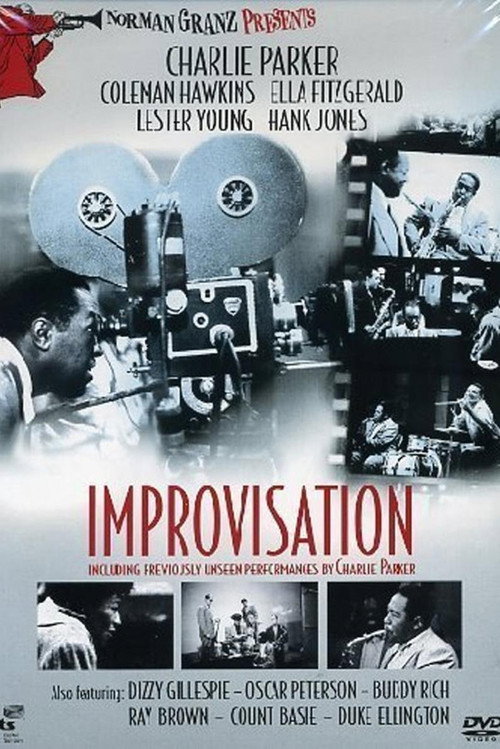 Improvisation (2004)
 A Great Day in Harlem (1994)
 Jazz (2000)
 Cruisin' J-Town
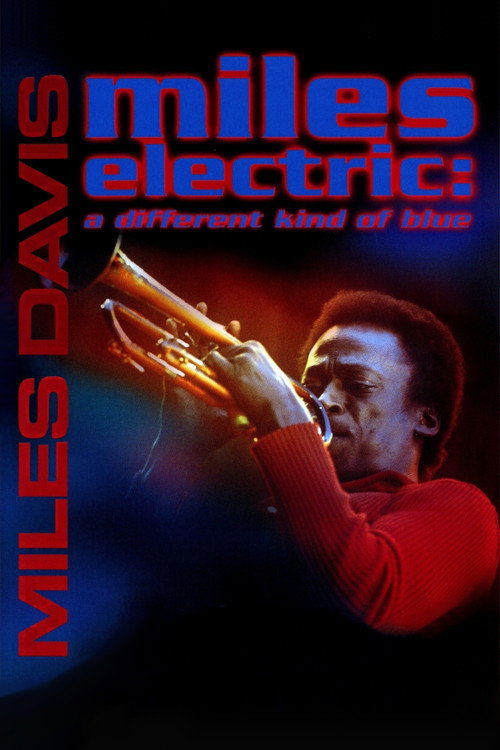 A Different Kind of Blue (2004)
 Cry of Jazz (1959)
 Bop City
 Jammin' the Blues (1944)
- More like this film, on a shelf you can walk up to.It's the lit case on the top shelf.