Zigeunerweisen (1980)

- Original title
- ツィゴイネルワイゼン
- Directed by
- Seijun Suzuki
- Genre
- horror film
- Country
- Japan
- Runtime
- 2h 25m
- Rated
- TP
- Rating
- 6.5 of 10 from 49 voters
- Elsewhere
- IMDb
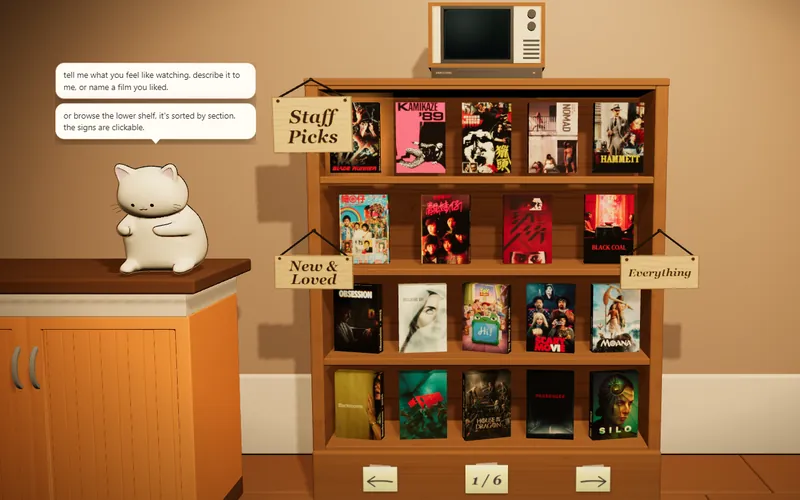
The catalogue in 3D
The film shelves have a room of their own that you can walk around in. The cat behind the counter is the AI Catbot, and they pick real films from the same catalogue when you tell them what you feel like watching. Nothing is for sale, here or in there. Go in from here and this film is already out on the counter, with more like it waiting on the shelf next to it.
How it feels
In 1920s Japan, a professor becomes obsessed with a mysterious man from his past and the man's wife. Strange events and ghostly encounters blur the line between reality and the supernatural.
surrealatmosphericunsettlingslow-burndreamlikebleakcerebralmoody
What happens
Zigeunerweisen (Japanese: ツィゴイネルワイゼン, Hepburn: Tsigoineruwaizen; from the German "Gypsy Airs") is a 1980 independent Japanese film directed by Seijun Suzuki and based on Hyakken Uchida's novel, Disk of Sarasate. It takes its title from a gramophone recording of Pablo de Sarasate's violin composition, Zigeunerweisen, which features prominently in the story. The film makes the first part of Suzuki's Taishō Roman Trilogy, followed by Kagero-za (1981) and Yumeji (1991), surrealistic psychological dramas and ghost stories linked by style, themes and the Taishō period (1912-1926) setting. All three were produced by Genjiro Arato. When exhibitors declined to screen the film, Arato screened it himself in an inflatable, mobile tent to great success. It won Honourable Mention at the 31st Berlin International Film Festival, was nominated for nine Japanese Academy Awards and won four, including best director and best film, and was voted the number one Japanese film of the 1980s by Japanese critics. (from Wikipedia, CC BY-SA)
More like this
 The Sand Boat (1980)
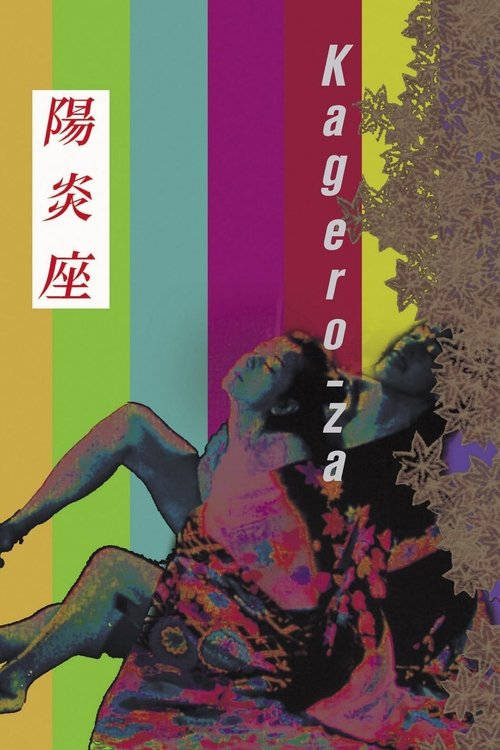 Kagero-za (1981)
 Virus (1980)
 Nu-Meri: Book of the New Spawn (2008)
 Before Spring (1980)
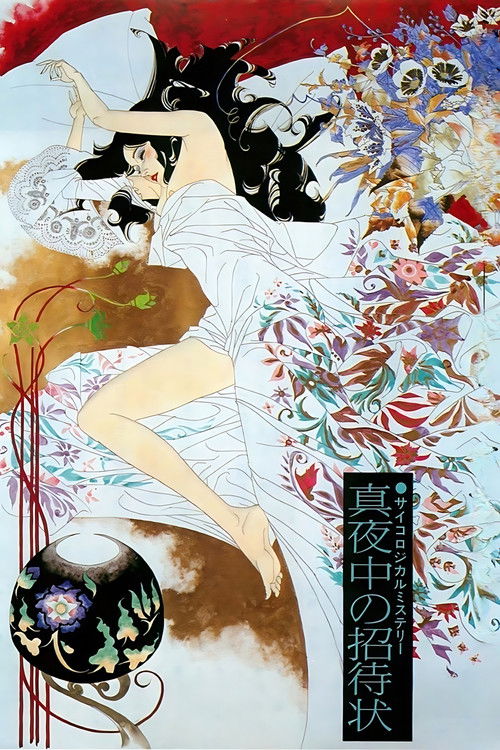 Call from Darkness (1981)
 The House of Hanging (1979)
 The Night of Martial Law (1980)
- More like this film, on a shelf you can walk up to.It's the lit case on the top shelf.